
Acute Injury Care in Australia: What to Do in the First 72 Hours
- Dr Nathan Bridger

- Jan 4
- 7 min read
Updated: 4 days ago
Acute injuries can happen in a moment, whether it’s during sport, training, work, or everyday movement. In Australia, many people delay proper care after an injury, increasing the risk of prolonged pain, reduced movement, or recurring issues. Understanding how to manage an acute injury in the first 72 hours is critical for supporting recovery and protecting long-term performance, especially for active individuals.
At North Fremantle Chiropractic, we regularly help active people from North Fremantle, Fremantle, East Fremantle, Palmyra, Bicton, Mosman Park, and surrounding Perth suburbs manage injuries, improve movement, and return to training with confidence.
Table of Contents
Key Takeaways
Point | Details |
Importance of Acute Injury Care | Immediate professional intervention is crucial to minimise long-term complications from injuries. |
Common Acute Sports Injuries | Athletes should recognise injury types to enable rapid recognition and appropriate management. |
Immediate Response Protocols | Follow DRSABCD for emergencies and RICE for soft tissue injuries in the first 48-72 hours. |
Consequences of Delayed Care | Inadequate medical attention can lead to chronic pain and increased future injury risk. |
Defining Acute Injury Care In Australia
Acute injury care represents a critical medical response system designed to address sudden, unexpected physical trauma requiring immediate professional intervention. In the Australian healthcare context, acute injury management follows structured national protocols aimed at providing rapid, comprehensive treatment and minimising potential long term complications.
The National Safety and Quality Health Service Standards establish a comprehensive framework for acute injury treatment across Australian healthcare facilities. These standards ensure consistent, high-quality care by defining precise protocols for assessment, stabilisation, and rehabilitation. Healthcare professionals must systematically evaluate injuries, determine their severity, and implement targeted interventions that address both immediate medical needs and potential future recovery pathways.
Specifically within Australian hospitals, acute injury care involves multiple critical stages. The tertiary survey in trauma care represents a crucial component, involving a thorough examination initiated within 24 hours of patient arrival. This comprehensive assessment helps identify all potential injuries, including those potentially overlooked during initial evaluations, and ensures appropriate specialist referrals and treatment strategies.
Critical aspects of acute injury care include immediate medical assessment, diagnostic imaging, pain management, potential surgical interventions, and structured rehabilitation planning. Understanding these components helps active Australians recognise the importance of professional medical evaluation following sudden physical trauma.
Pro tip: Always seek professional medical assessment within 24 hours of sustaining a significant injury, even if symptoms seem minor.
Key Types Of Acute Sports Injuries
Australian athletes and active individuals frequently encounter a range of acute sports injuries that can significantly impact performance and long term physical health. Understanding these injury types is crucial for effective prevention, rapid recognition, and appropriate management strategies that support quick recovery and minimise potential complications.

Sports Medicine Australia’s injury fact sheets highlight several critical acute sports injury categories that commonly affect active Australians. These injuries typically fall into distinct classifications based on affected body systems and trauma mechanisms. The primary categories include soft tissue injuries, joint-related traumas, and structural damage across muscles, tendons, and ligament networks.
Soft Tissue Injuries represent the most prevalent acute sports injury type. Comprehensive soft tissue injury research reveals these injuries frequently involve sudden muscle strains, tendon sprains, and ligament tears. Common examples include hamstring pulls, ankle sprains, shoulder impingements, and wrist ligament damage. These injuries often result from rapid directional changes, unexpected impacts, or overextension during athletic activities.
Another significant category involves joint-specific acute injuries, which include complex traumas like anterior cruciate ligament (ACL) tears, meniscus damage, and rotator cuff injuries. These conditions typically require specialised medical assessment and potentially surgical intervention, particularly when sustained during high-intensity sporting activities.
Here’s a summary highlighting common types of acute sports injuries and typical recovery challenges faced by Australian athletes:
Injury Type | Common Cause | Recovery Challenge |
Soft tissue strains | Sudden movement | Risk of incomplete healing |
Ligament sprains | Forceful impact | Pain during rehabilitation |
Joint trauma | Twisting or collision | Swelling and mobility limits |
Muscle tears | Overextension | Slow strength regain |
Tendon injuries | Repetitive action | Potential for recurrent injury |
Pro tip: Immediately apply the RICE protocol (Rest, Ice, Compression, Elevation) to any acute sports injury to minimise inflammation and support initial recovery.
Essential Steps In Immediate Injury Management
When an acute injury occurs, the first moments are critical for preventing further damage and setting the foundation for optimal recovery. Immediate injury management requires a systematic approach that prioritises patient safety, reduces potential complications, and minimises long-term impact on physical function.
The primary framework for acute injury response involves the DRSABCD protocol, a critical first aid strategy used across Australian sports and emergency settings. This acronym guides immediate actions: Danger (assess scene safety), Response (check consciousness), Send for help, Airway (ensure clear breathing), Breathing (confirm respiratory function), Compressions (perform CPR if required), and Defibrillation (use emergency equipment if available).
Following initial safety assessment, the RICE method provides a structured approach to managing soft tissue injuries. This technique involves Resting the injured area, applying Ice to reduce inflammation, using Compression to minimise swelling, and Elevating the affected body part above heart level. These steps are crucial in the first 48-72 hours post-injury, helping to control pain, restrict additional tissue damage, and support the body’s natural healing processes.
For quick reference, here is a comparison of the DRSABCD and RICE protocols applied during immediate injury management in Australian settings:
Protocol | Focus Area | Timeframe | Main Goal |
DRSABCD | Emergency response | Initial moments | Ensure safety, CPR if needed |
RICE | Soft tissue care | First 48-72 hours | Minimise inflammation |
Professional medical assessment remains paramount, particularly for injuries involving significant pain, visible deformity, inability to bear weight, or suspected fractures. Active Australians should recognise that while immediate first aid is essential, comprehensive evaluation by healthcare professionals can prevent potential long-term complications and ensure appropriate rehabilitation strategies.
Pro tip: Keep a basic first aid kit with cold packs, compression bandages, and basic medical supplies readily accessible during physical activities.
Risks Of Inadequate Or Delayed Care
Delayed or inadequate medical intervention following an acute injury can transform a potentially manageable condition into a complex, long-term health challenge. Medical complications arising from poor initial care can significantly impact an individual’s physical function, recovery trajectory, and overall quality of life.
The Australian Commission on Safety and Quality in Health Care’s standards highlight the critical importance of timely and comprehensive medical response. Inadequate care increases the risk of preventable harm through multiple mechanisms: prolonged inflammation, potential secondary tissue damage, compromised healing processes, and increased likelihood of chronic pain development. Active Australians who dismiss or delay professional assessment may unknowingly create conditions for more severe long-term musculoskeletal complications.
Research from the Australian Journal of General Practice underscores the systemic risks associated with poor medical communication and delayed interventions. Insufficient clinical handover can lead to significant adverse events, including misdiagnosis, inappropriate treatment protocols, and increased re-hospitalisation rates. These risks are particularly pronounced in sports-related and acute injuries, where precise, timely medical assessment can dramatically influence recovery outcomes.
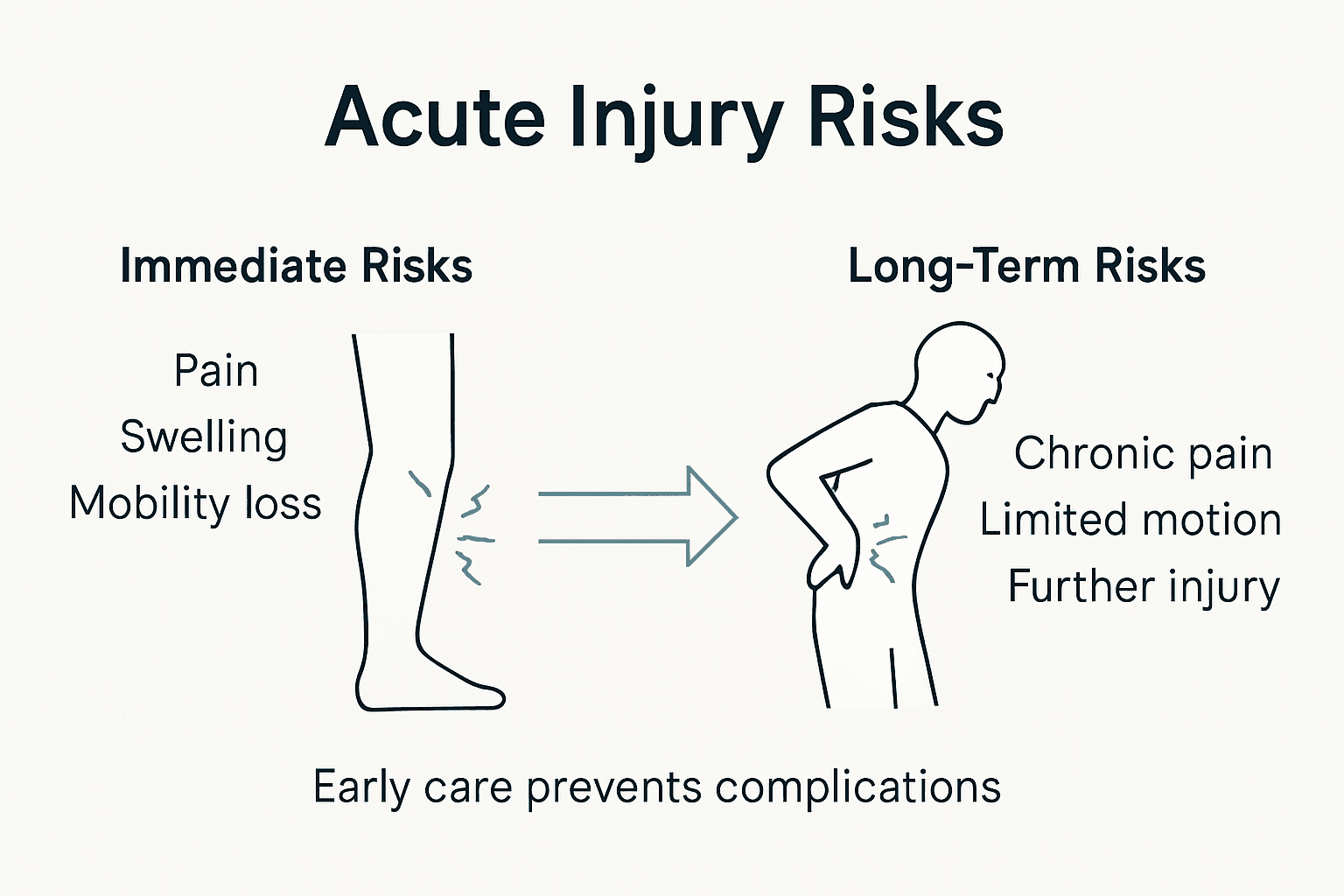
Specific risks of inadequate care include potential chronic pain syndromes, permanent range of motion restrictions, increased susceptibility to future injuries, and accelerated joint degeneration. Athletes and active individuals must recognise that immediate, professional medical evaluation is not an optional luxury but a critical component of comprehensive injury management and long-term physical resilience.
Pro tip: Document your injury’s initial symptoms, circumstances, and progression to provide healthcare professionals with comprehensive information during your assessment.
Avoiding Common Mistakes During Recovery
Recovery from acute sports injuries demands strategic, patient-focused approaches that extend beyond traditional medical treatment. Injury rehabilitation requires a holistic understanding of physical healing, psychological resilience, and personalised recovery pathways that respect individual body mechanics and performance goals.
Mind Australia’s recovery-oriented practice emphasises addressing recovery through a comprehensive lens that considers individual strengths and preferences. Common mistakes active Australians often make include rushing the healing process, ignoring professional guidance, and attempting to return to full activity prematurely. These errors can dramatically extend recovery time and increase the risk of recurring or more severe injuries.
Key mistakes to avoid include neglecting progressive rehabilitation strategies, failing to address underlying biomechanical issues, and maintaining unrealistic expectations about recovery timelines. Active individuals must understand that effective recovery involves gradual strength rebuilding, targeted mobility work, and consistent communication with healthcare professionals. Pushing through pain, skipping recommended rehabilitation exercises, and comparing personal recovery to others can significantly compromise long-term physical resilience and performance potential.
Successful recovery demands a balanced approach that integrates professional medical guidance, structured rehabilitation protocols, and patience. Athletes must learn to distinguish between productive discomfort during rehabilitation and potentially harmful pain signals. Understanding the nuanced difference requires working closely with sports chiropractors, physiotherapists, and medical professionals who can provide personalised guidance tailored to individual injury profiles and performance objectives.
Pro tip: Maintain a recovery journal documenting your rehabilitation progress, pain levels, and exercise responses to help healthcare professionals track your healing trajectory.
Take Control of Your Acute Injury Recovery Today
Acute injuries demand fast and expert care to avoid long-term setbacks and to get you back moving stronger. At North Fremantle Chiropractic, we understand the challenges of managing sudden trauma, pain, and the frustration of slowed recovery. So if you’re dealing with a recent injury or ongoing pain and you’re based near Fremantle or the western suburbs of Perth, our clinic offers hands-on chiropractic care combined with movement and rehabilitation support. Whether you have a soft tissue strain, joint trauma, or ligament sprain, we help build resilience not just fix symptoms.

Don’t let delayed or inadequate care hold you back. Discover how our personalised approach to injury management and recovery can restore your function and confidence. Visit North Fremantle Chiropractic now to book your assessment and start your path beyond pain. Empower yourself with expert guidance and progress that feels real every session.
Frequently Asked Questions
What is acute injury care?
Acute injury care focuses on the early assessment and management of injuries that occur suddenly, such as sprains, strains, or joint injuries. Early care aims to reduce pain, protect movement, and support safe recovery.
What are the key types of acute sports injuries?
The main types of acute sports injuries include soft tissue injuries such as strains and sprains, joint-related traumas like ACL tears, and structural damage affecting muscles, tendons, and ligaments.
How should I manage an acute injury immediately after it happens?
Immediately manage an acute injury using the DRSABCD protocol for safety and the RICE method (Rest, Ice, Compression, Elevation) within the first 48-72 hours to reduce inflammation and support recovery.
What risks are associated with inadequate care for an acute injury?
Inadequate or delayed care can lead to chronic pain, permanent range of motion restrictions, increased susceptibility to future injuries, and overall poorer long-term recovery outcomes.
Recommended
I found this article to be both concise and informative. The focus on interactive digital services and their adaptability to user needs is timely. Additional background on this topic may be found on the website . The inclusion of recent examples adds value to the discussion.