
Complete guide to injury prevention for active Australians
- Dr Nathan Bridger

- 11 minutes ago
- 8 min read
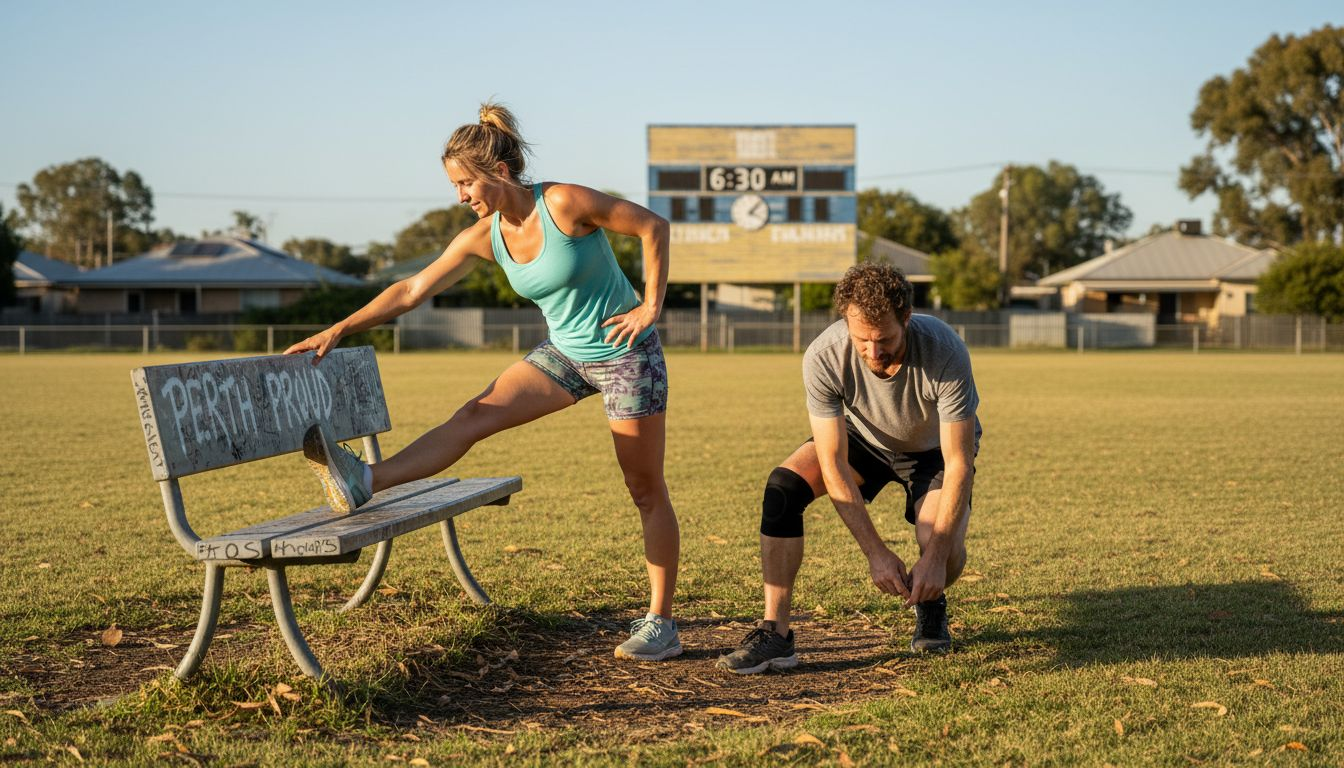
Over half of Australian adults report experiencing muscle or joint pain each year, yet many overlook the steps needed to prevent these injuries. Everyday routines, repetitive work tasks, and even occasional exercise can create hidden risks if your body’s needs go unchecked. By building awareness of your movement habits and giving yourself an honest assessment, you set a strong foundation for long term health and fewer setbacks. This guide breaks down practical strategies anyone can use for safer, more active living.
Table of Contents
Quick Summary
Key Point | Explanation |
1. Assess your movement habits | Regularly evaluate your flexibility, strength, and daily activities to identify injury risks. |
2. Incorporate effective warm-ups | Use dynamic stretches to prepare your body for activity, enhancing blood flow and mobility. |
3. Focus on strength training | Implement compound exercises to build muscular endurance and joint stability, reducing injury likelihood. |
4. Prioritise recovery strategies | Include active and passive recovery techniques to promote healing and manage training loads efficiently. |
5. Monitor your progress regularly | Track your physical performance and make adjustments as needed to prevent injuries and optimise results. |
Step 1: Assess your current movement and lifestyle habits
Effective injury prevention starts with understanding your body’s current condition and movement patterns. This step is about creating a baseline assessment that helps you identify potential risks and areas for improvement.
Begin by conducting a comprehensive self evaluation of your physical capabilities and daily habits. The Australian Chiropractors Association’s Mobility Month initiative recommends simple tests to assess your flexibility, strength, and balance. Start with basic mobility screenings like checking your range of motion in key joints such as shoulders, hips, and spine. Can you rotate your shoulders fully? Do you experience stiffness when bending or twisting?
Next, track your typical daily movement patterns. How many hours do you spend sitting? What types of physical activities do you regularly engage in? Look for potential imbalances or repetitive strain areas. Weekend warriors and FIFO workers often experience unique movement challenges that require targeted assessment. Get Active Victoria’s resources suggest documenting your exercise routine, noting any discomfort or limitations you experience during different movements.
Pro tip: Record a short video of yourself performing basic movements like squats, lunges, and overhead reaches. This visual documentation can help you and healthcare professionals identify subtle movement compensations or asymmetries that might lead to future injuries.
Here is a concise overview of baseline assessments and what they reveal:
Assessment Method | What it Measures | Value for Injury Prevention |
Range of Motion Checks | Joint flexibility | Identifies stiffness or limitations |
Self-Recorded Movement Videos | Movement quality | Highlights compensatory patterns |
Lifestyle Activity Tracking | Activity balance | Reveals sedentary or overuse patterns |
Daily Movement Pattern Review | Repetitive strain areas | Detects potential overuse risks |
Step 2: Integrate proper warm-up and mobility routines
Developing an effective warm-up routine is crucial for preparing your body for physical activity and reducing injury risk. This step will help you create a comprehensive mobility sequence that primes your muscles, joints, and nervous system for optimal performance.

Dynamic stretches recommended by the Arthritis Foundation provide an excellent starting point for your warm-up routine. Begin with gentle movements that increase blood flow and activate key muscle groups. Start with arm swings to loosen shoulder joints, perform hip circles to enhance lower body mobility, and include gentle torso rotations to wake up your spine. These movements help transition your body from a resting state to an active one, gradually increasing heart rate and muscle temperature.
NSW Health’s Exercise Circuit 1 suggests incorporating low-impact movements like walking and knee curls into your warm-up. Focus on moving through a full range of motion with controlled, deliberate movements. For athletes and active individuals, this means tailoring your warm-up to your specific activity whether that’s weightlifting, running, or weekend sports. The key is to start slow and progressively increase intensity, allowing your body to adapt and prepare for more demanding movements.
Pro tip: Time your warm-up to match the intensity of your planned activity. For high-intensity workouts, spend 10-15 minutes warming up progressively, whereas lighter activities might require just 5-7 minutes of mobility work.
Step 3: Apply strength and conditioning principles effectively
Strength and conditioning form the foundation of injury prevention for active individuals, helping you build resilience and improve overall physical performance. This step focuses on developing a strategic approach to training that protects your body while enhancing its functional capabilities.
NSW Health’s Exercise Circuit 1 provides an excellent framework for incorporating resistance training that improves balance and strength. Start by focusing on compound movements that engage multiple muscle groups simultaneously. Exercises like squats, deadlifts, and push-ups create a comprehensive strength foundation that supports joint stability and reduces injury risk. Pay attention to your form and technique, ensuring each movement is executed with control and precision.
MSWA’s recommended resistance exercises offer practical insights into building functional strength. Incorporate movements like step-back lunges and glute bridges that challenge your body’s stability and build muscular endurance. These exercises not only strengthen key muscle groups but also improve overall movement quality. Progressive overload is crucial create a gradual increase in weight, repetitions, or complexity to continuously challenge your body without overwhelming it. Listen to your body, respect its limits, and focus on consistent improvement rather than sudden intense transformations.
Pro tip: Integrate recovery and mobility work between strength training sessions. Alternate intense strength days with lighter mobility and stretching routines to prevent overtraining and maintain muscular flexibility.
Step 4: Implement proactive recovery and load management
Successful injury prevention goes beyond training intensity and requires a strategic approach to recovery and load management. This step focuses on helping you develop a balanced routine that allows your body to adapt, heal, and become more resilient.
The Better Health Channel emphasises the critical importance of proper post exercise recovery, highlighting how cooling down and stretching can significantly reduce muscle soreness and support overall physical adaptation. Design a recovery strategy that includes both active and passive techniques. Active recovery might involve light movement like walking or gentle swimming, while passive recovery includes techniques such as foam rolling, massage, and targeted stretching. The goal is to promote blood circulation, reduce muscle tension, and support your body’s natural healing processes.
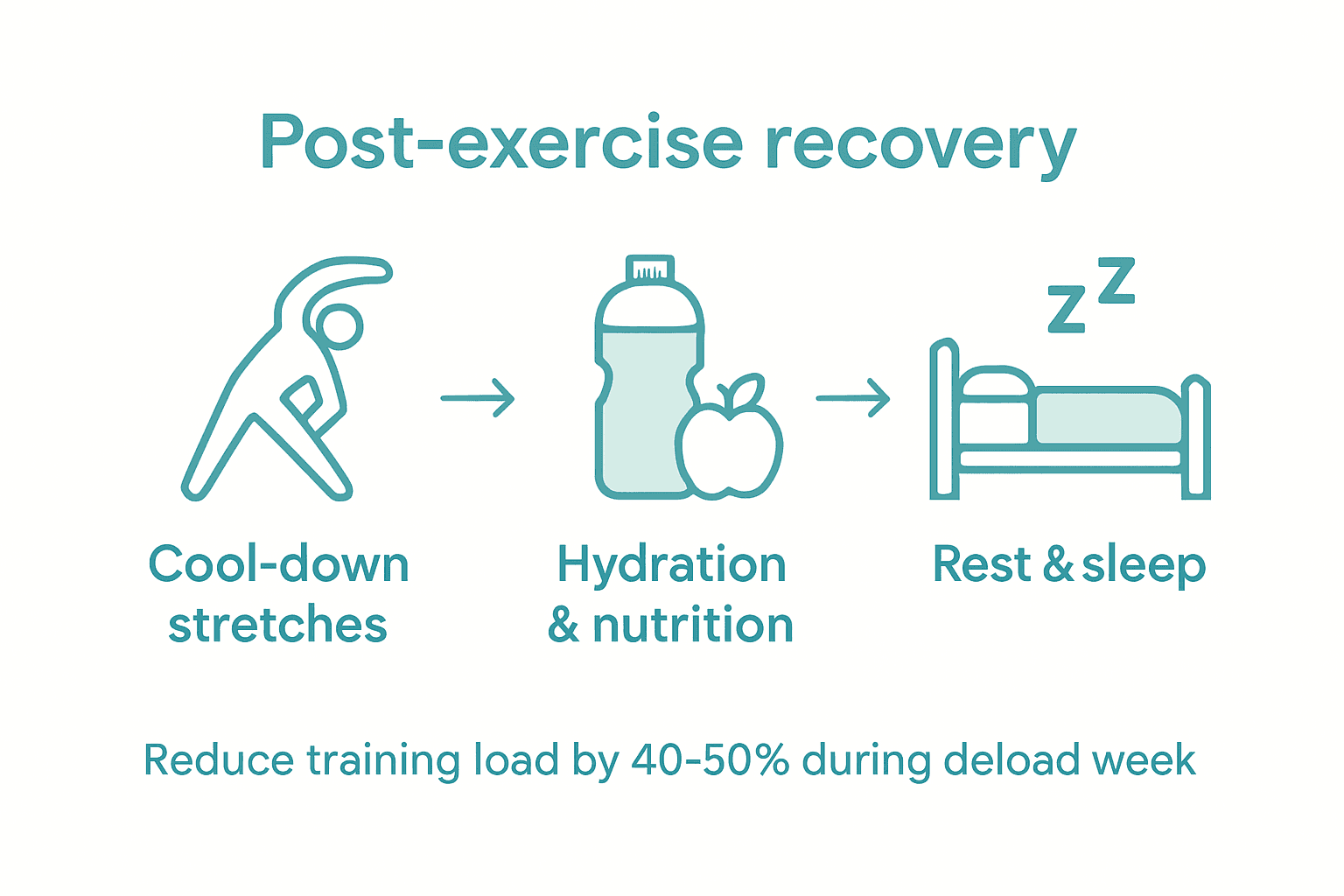
NSW Health’s Exercise Circuit 1 provides practical cool-down stretches that can be integrated into your recovery routine. Monitor your training load by tracking workout intensity, duration, and frequency. Use a simple rating scale to assess your body’s fatigue and recovery status, paying attention to indicators like muscle soreness, sleep quality, and overall energy levels. For FIFO workers, athletes, and weekend warriors, this means being honest about your body’s capacity and creating flexible training plans that allow for adequate rest and regeneration.
Pro tip: Implement a structured deload week every 4 to 6 weeks, reducing training intensity by 40 to 50 percent to allow complete physiological recovery and prevent chronic fatigue.
Here is a summary of recovery techniques and their benefits:
Recovery Method | Example Activities | Key Benefit |
Active Recovery | Walking, swimming | Promotes blood flow and flexibility |
Passive Recovery | Foam rolling, massage | Reduces muscle tension |
Load Management | Deload weeks, monitoring fatigue | Prevents overtraining and injury |
Step 5: Monitor, evaluate and adjust your approach
Permanent injury prevention requires continuous self assessment and willingness to adapt your training strategy. This step focuses on developing a systematic approach to understanding your body’s response to physical activity and making intelligent adjustments.
The Australian Chiropractors Association’s Mobility Month highlights the importance of regular self evaluation, providing a framework for tracking your physical progress. Create a comprehensive monitoring system that includes objective measurements like range of motion, strength assessments, and subjective indicators such as energy levels and recovery speed. Document your workouts, noting any discomfort, performance changes, or patterns of fatigue. This consistent tracking allows you to identify potential issues before they develop into significant injuries.
Get Active Victoria emphasises the critical nature of flexibility and mobility assessment as a key strategy for maintaining long term physical health. Conduct periodic performance reviews every 6 to 8 weeks, comparing your current capabilities against previous benchmarks. Look for subtle changes in your movement patterns, balance, and overall physical resilience. Be prepared to modify your training approach based on these insights progressively reducing intensity if you notice increased strain or increasing challenge if you feel your body has adapted.
Pro tip: Invest in a simple fitness tracking app or journal that allows you to record detailed notes about your physical performance and how your body feels after each training session.
Take Control of Your Movement and Injury Prevention Today
Injury prevention is more than just avoiding pain it is about building lasting resilience through understanding your body and movement habits. If you find yourself struggling with stiffness, repetitive strain, or unsure how to train smartly for long term benefits you are not alone. The article covers essential steps like assessing your mobility, integrating effective warm-ups, strength training, and smart recovery techniques. These concepts are critical for active Australians—from busy parents to weekend warriors and high performance athletes—who want to keep moving well and performing at their best.

At North Fremantle Chiropractic we help legends of all ages move better, feel stronger, and return to the activities they love. Our expert team combines elite sports-focused chiropractic care with practical strength and conditioning strategies based on the same principles outlined in the guide. We specialise in hands-on, movement-based treatments designed to build resilience not just fix symptoms. Start your journey with a tailored assessment and personalised program that addresses your unique movement patterns and goals. Visit us today and experience injury prevention that truly supports lasting performance and wellbeing. Discover how you can move beyond pain and thrive by visiting North Fremantle Chiropractic now.
Frequently Asked Questions
How can I assess my current movement and lifestyle habits for injury prevention?
To assess your current movement and lifestyle habits, start by evaluating your flexibility, strength, and balance. Conduct basic mobility screenings and track your daily activities, noting any discomfort or limitations you experience. Document these findings for a clearer understanding of your physical capabilities.
What warm-up routine should I incorporate to prevent injuries before exercising?
Integrate a proper warm-up routine that includes dynamic stretches to prepare your muscles and joints. Focus on gentle movements that gradually increase your heart rate and mobilisation, spending approximately 10-15 minutes on your warm-up based on your workout intensity.
Which strength training exercises are best for preventing injuries?
Focus on compound strength training exercises, such as squats, deadlifts, and push-ups. These movements engage multiple muscle groups and improve stability; aim to include these exercises in your routine at least twice a week for optimal injury prevention.
How should I approach recovery and load management to avoid injuries?
Develop a recovery strategy that includes both active recovery techniques, like walking, and passive methods, such as foam rolling. Monitor your training load and schedule a deload week every 4 to 6 weeks to allow your body adequate time to recover and prevent overtraining.
How can I effectively monitor my progress in injury prevention?
Create a systematic approach for self-evaluation by tracking your performance over time, including measurements of strength and flexibility. Conduct periodic reviews every 6 to 8 weeks, adjusting your training based on your progress and any signs of strain for continuous improvement.
Recommended
Comments