
Why Pain Is Not The Problem: Complete Guide
- Dr Nathan Bridger
- Dec 4, 2025
- 7 min read
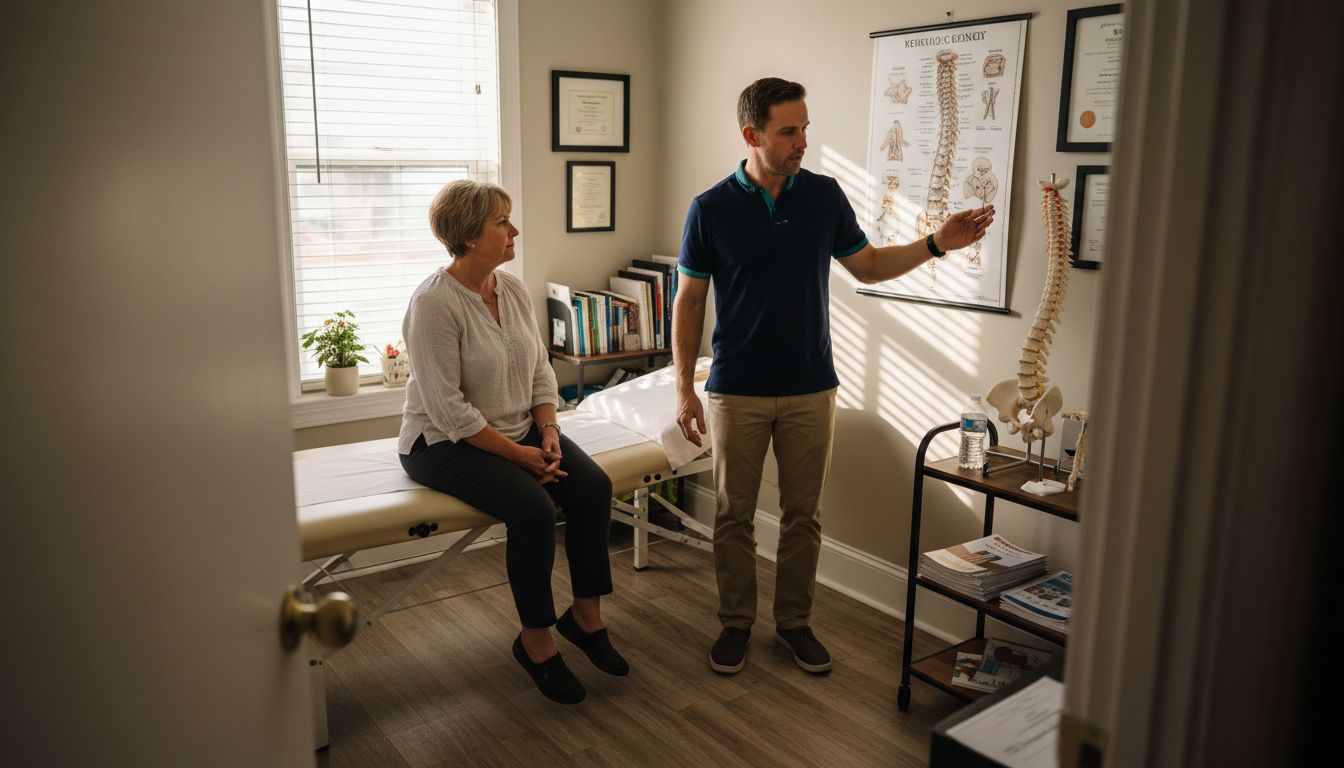
More than one in five australian adults report living with pain that disrupts daily life. Yet pain is often misunderstood, leading to confusion and missed opportunities for relief. Understanding how pain works is key when the experience can vary so widely between individuals and situations. This article sheds light on the science behind pain signals, the myths that surround them, and the practical ways australians can respond more effectively.
Table of Contents
Key Takeaways
Point | Details |
Understanding Pain Complexity | Pain is a multifaceted experience influenced by sensory, emotional, and cognitive factors, making it essential to recognise its intricate nature. |
Importance of Movement | Addressing root causes of pain through strategic movement is crucial, as it aids recovery and promotes resilience rather than merely resting. |
Building Resilience over Relief | A shift from seeking immediate relief to building long-term resilience encourages a more sustainable approach to pain management. |
Avoiding Common Pitfalls | Mismanaging pain signals by ignoring underlying causes or relying excessively on medication can perpetuate chronic pain conditions. |
Defining Pain: Signals, Symptoms And Misconceptions
Pain is far more complex than most people understand. It’s not merely a simple signal of physical damage, but a sophisticated neurological experience that involves multiple systems in the human body. The Institute for Molecular Bioscience reveals that pain perception is an intricate process involving sensory, emotional, and cognitive components that go well beyond basic nerve responses.
Understanding pain requires recognising two primary categories: acute pain and chronic pain. Acute pain serves as a protective mechanism, alerting us to potential tissue damage or injury. It’s typically short-lived and resolves as healing occurs. Chronic pain, however, persists beyond the expected healing timeframe and can become a complex neurological condition that significantly impacts quality of life.
Common misconceptions about pain often prevent people from seeking appropriate care. Many individuals believe pain is always a direct indicator of physical injury, but research from the University of South Australia’s Pain Sciences program demonstrates that pain experiences are highly individual and can be influenced by psychological, social, and environmental factors. Key misunderstandings include:
Pain is NOT always proportional to tissue damage
Chronic pain can exist without observable physical pathology
Emotional states significantly modulate pain perception
Pain is a subjective experience that varies between individuals
Recognising pain as a complex, multifaceted experience is crucial for effective management and treatment. By understanding its nuanced nature, individuals can approach pain with greater insight, seeking comprehensive care that addresses not just physical symptoms, but the broader context of their experience.
The Science Of Pain: What Really Happens
Pain is not just a simple neurological reaction, but an incredibly sophisticated biological process involving complex interactions between multiple body systems. Molecular mechanisms of sensory neurons reveal that pain transmission is a nuanced communication network far more intricate than most people understand. These neural pathways involve specialised nerve cells that detect and interpret potential tissue damage, translating physical stimuli into the conscious experience of discomfort.
At the cellular level, nociceptors play a critical role in pain signalling. These specialised nerve endings respond to potentially harmful stimuli by generating electrical signals that travel through the nervous system. When activated, they trigger a cascade of neurochemical responses that include inflammation, muscle tension, and the release of pain-modulating compounds. Interestingly, research into brainstem regions demonstrates that pain perception can be dramatically influenced by cognitive and emotional states.
The pain experience is not uniform across the human body. Different regions have varying sensitivities and neurological responses, which explains why pain can feel dramatically different depending on its location. This variability highlights why personalised approaches to pain management are crucial. Some key factors influencing pain perception include:
Individual pain thresholds
Psychological state and stress levels
Previous pain experiences
Genetic predispositions
Hormonal and neurochemical variations
Understanding these intricate mechanisms helps demystify pain as a simple warning signal. It’s a dynamic, adaptive process that reflects the incredible complexity of human neurological functioning. By recognising pain as a multifaceted experience, we can develop more nuanced, compassionate approaches to assessment, treatment, and management.
Movement Matters: Addressing Root Causes
Movement is not just a physical action, but a critical component in understanding and managing pain. Pain management strategies emphasise that addressing root causes requires a holistic approach that goes beyond traditional treatment models. The human body is a dynamic system where movement plays a fundamental role in healing, rehabilitation, and preventing chronic pain conditions.

At the cellular level, mechanical stimulation triggers profound physiological responses that can significantly impact pain perception. Research from neurological studies reveals that targeted movement can actually modulate neural pathways, reducing pain sensitivity and promoting tissue recovery. This understanding challenges the outdated notion that rest is always the best response to pain.
Effective movement strategies for addressing pain involve several key principles:
Gradual progressive loading of tissues
Restoring natural movement patterns
Improving overall biomechanical efficiency
Reducing compensatory movement strategies
Enhancing nervous system resilience
Understanding movement as a therapeutic intervention requires a nuanced approach. It’s not about pushing through pain, but intelligently navigating the body’s complex neurological and musculoskeletal systems. By recognising movement as a powerful tool for healing, individuals can transform their relationship with pain, moving from passive treatment to active rehabilitation.
Chasing Relief Vs Building Resilience
Traditional approaches to pain management often focus on immediate relief, creating a cycle of temporary solutions that fail to address underlying issues. Psychological processes affecting pain reveal a more sophisticated approach centred on building long-term neurological and emotional resilience. This paradigm shift challenges the quick-fix mentality, recognising that sustainable pain management requires a comprehensive understanding of an individual’s unique physiological and psychological landscape.
The resilience-focused model represents a fundamental transformation in pain treatment. Educational strategies developed by pain research experts emphasise developing adaptive coping mechanisms that empower individuals to interact with pain differently. Instead of viewing pain as an enemy to be conquered, this approach treats it as a complex signal that requires nuanced interpretation and strategic response. The goal shifts from momentary symptom suppression to building robust neurological and muscular systems capable of managing stress and discomfort more effectively.
Key strategies for building pain resilience include:
Developing mindful awareness of body sensations
Implementing consistent movement and rehabilitation practices
Understanding personal pain triggers and patterns
Cultivating psychological flexibility
Integrating stress management techniques
Creating personalised recovery and movement strategies
Resilience is not about eliminating pain completely, but about changing our relationship with discomfort. By learning to respond to pain with curiosity, adaptability, and strategic intervention, individuals can transform their experience from passive suffering to active management. This approach recognises that true healing involves more than just physical treatment - it requires a holistic integration of body, mind, and personal narrative.
Mistakes To Avoid: Mismanaging Pain Signals
Pain management strategies reveal that most individuals inadvertently perpetuate their pain through counterproductive responses. Misunderstanding pain signals can transform a manageable condition into a chronic, debilitating experience. The human body communicates through complex neurological pathways, and interpreting these signals requires nuanced understanding beyond simplistic ‘quick fix’ approaches.
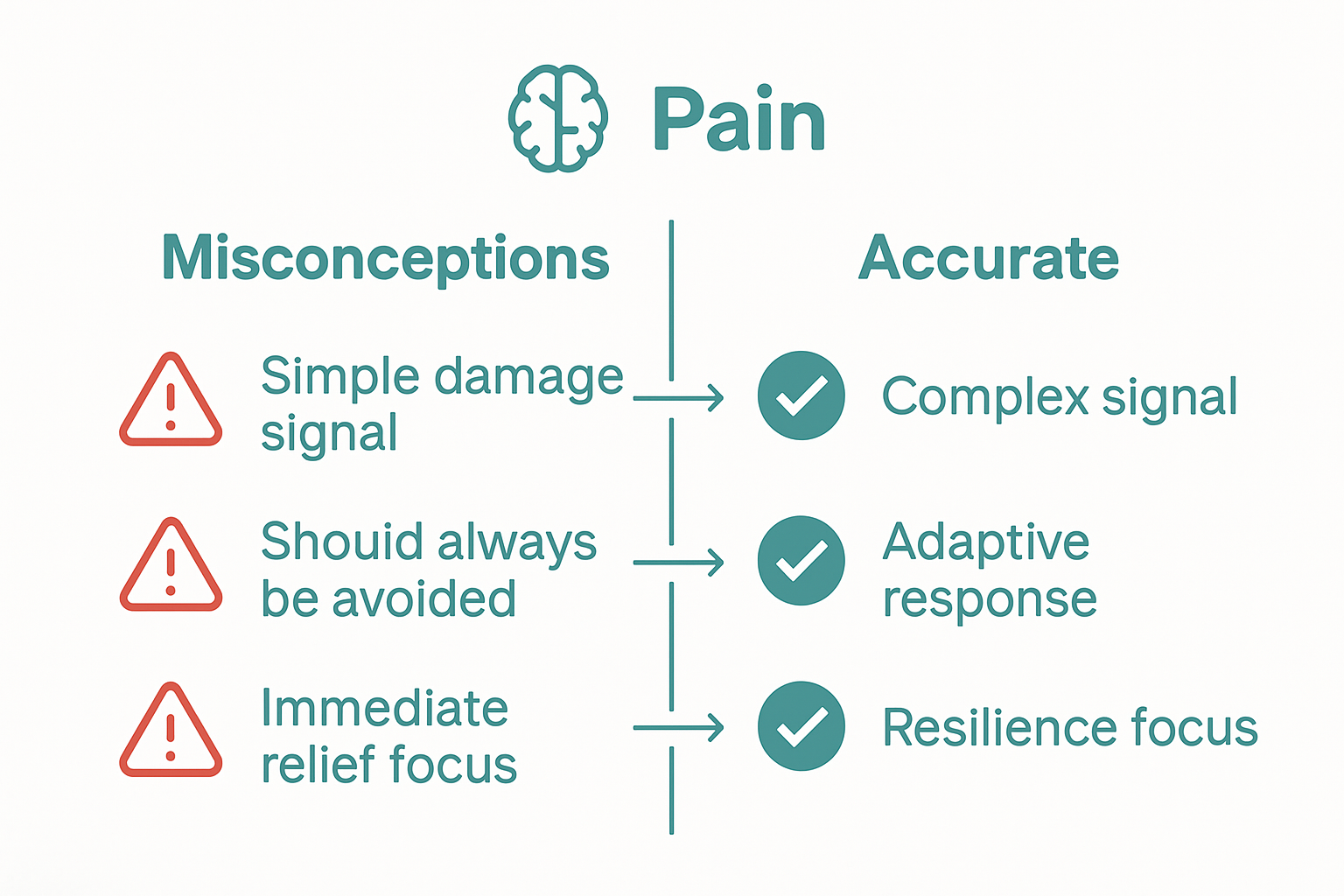
One of the most significant systemic errors in pain management involves treating symptoms rather than addressing underlying causes. Advanced pain mechanism research demonstrates that reactive treatments often mask fundamental issues, creating a cycle of temporary relief followed by recurring discomfort. Common mistakes include over-relying on pain medication, avoiding movement entirely, and developing fear-based responses that amplify neural sensitivity.
Critical mistakes people frequently make when managing pain include:
Ignoring gradual onset of persistent discomfort
Implementing complete rest instead of strategic movement
Self-diagnosing without professional assessment
Treating all pain as identical and uniform
Allowing emotional stress to compound physical tension
Expecting instant, permanent pain resolution
Understanding pain requires recognising it as a complex communication system, not an enemy to be defeated. By developing a sophisticated, patient approach that balances professional guidance, targeted movement, and psychological adaptability, individuals can transform their relationship with pain. The goal is not elimination, but intelligent negotiation and management of bodily signals.
Move Beyond Pain with Expert Guidance and Real Results
The article shows that pain is a complex signal, not the sole problem. It highlights how misunderstanding pain, avoiding movement, and chasing quick fixes often worsen the challenge. You may relate to pain that is persistent or confusing, where emotional and neurological factors play a big role. The goal is to build resilience through movement, mindful strategies, and personalised care that addresses your unique experience.
At North Fremantle Chiropractic, we blend sports-focused chiropractic expertise with strength and conditioning principles to help you do more than just reduce pain. Our hands-on, movement-based approach is designed to restore natural movement patterns and strengthen your nervous system. We help parents, weekend warriors and athletes build resilience so they can feel confident, perform better and return to what they love.

Take control of your pain journey today. Discover how tailored movement and expert care can transform your experience from reactive relief chasing to long-term resilience. Visit North Fremantle Chiropractic and start your personalised path to moving, feeling and performing stronger now.
Frequently Asked Questions
What is the difference between acute pain and chronic pain?
Acute pain is a temporary and protective response to potential tissue damage, usually resolving as healing occurs. Chronic pain, on the other hand, persists beyond the expected healing time and can significantly impact quality of life.
Why is understanding pain important for effective management?
Recognising pain as a complex experience that involves sensory, emotional, and cognitive components allows for a more comprehensive approach to treatment, addressing not just physical symptoms but also psychological and social factors.
How can movement influence pain perception?
Movement promotes healing and pain management by modulating neural pathways and promoting tissue recovery. It is crucial to engage in gradual, strategic movement rather than complete rest to effectively manage pain.
What are some common mistakes people make when managing pain?
Individuals often focus on symptoms instead of underlying causes, rely heavily on pain medication, avoid movement, self-diagnose, and expect instant resolution, which can worsen their pain management outcomes.
Recommended