
Why Injury Occurs – The Hidden Factors Behind Pain
- Dr Nathan Bridger

- Dec 12, 2025
- 7 min read
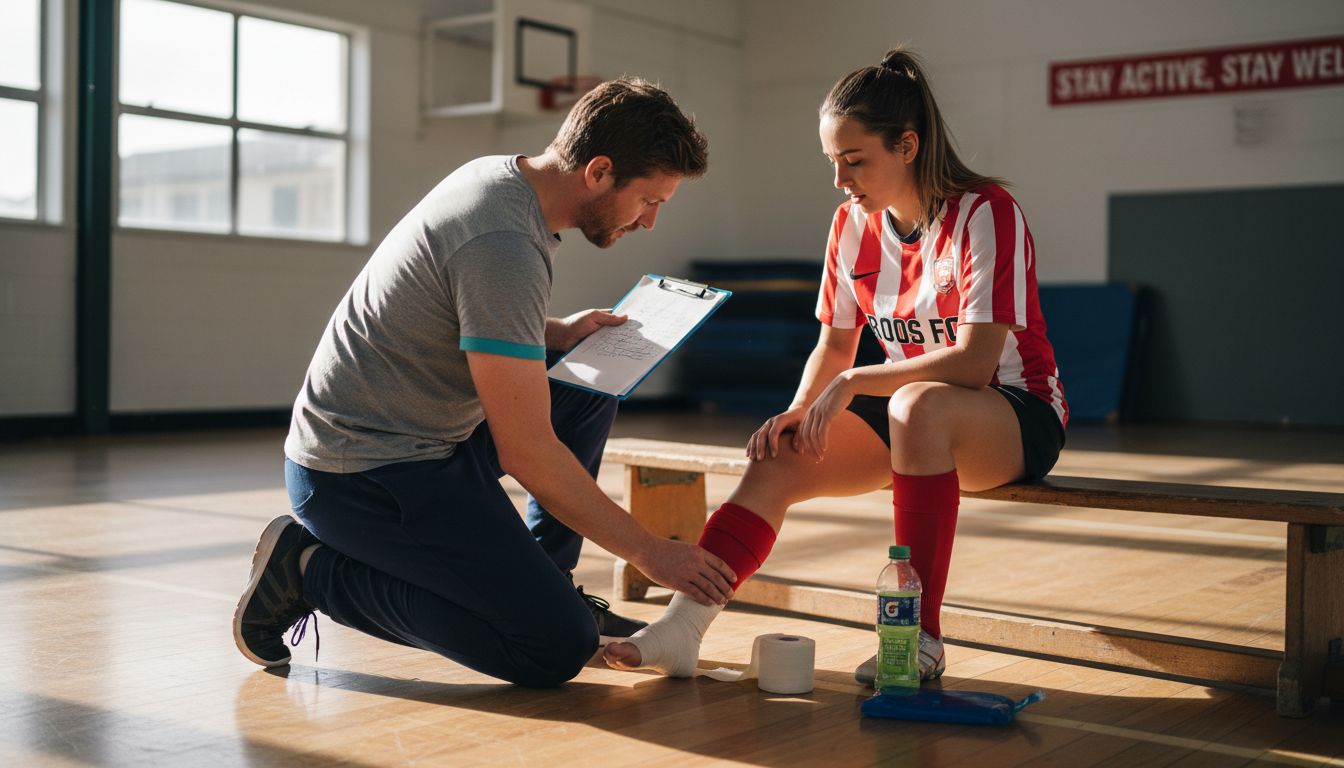
Over 50 percent of Australians experience an injury serious enough to disrupt daily life each year. Whether you are an athlete, worker, or just navigating daily routines, understanding injury is crucial for lasting wellbeing. Many australian adults still believe myths that actually increase their risk of harm and delay recovery. This guide separates fact from fiction, exploring where common misconceptions begin and how informed choices can help prevent pain before it starts.
Table of Contents
Key Takeaways
Point | Details |
Understanding Injury | Injuries are influenced by a combination of biomechanical, physiological, and environmental factors, not just sudden trauma. |
Types of Injuries | Acute injuries occur from specific events, while overuse injuries develop gradually from repetitive stress. |
Risk Factors | Biomechanical inefficiencies and inadequate recovery are critical in injury development, necessitating tailored prevention strategies. |
Lifestyle Impact | Modern sedentary lifestyles and specialised activities can exacerbate injury risk, highlighting the need for balanced movement and proper ergonomics. |
Defining Injury And Common Myths
Injury isn’t just a sudden moment of physical trauma - it’s a complex interplay of biomechanical, physiological, and environmental factors that can develop gradually or occur unexpectedly. Understanding what truly constitutes an injury goes far beyond the stereotypical image of a dramatic sporting accident or sudden workplace incident.
Many people harbour misconceptions about injuries that can actually increase their risk or delay proper treatment. University of Sydney research highlights how common myths in sports and physical activity can mislead individuals about their body’s capabilities and potential vulnerabilities. These myths often create false narratives that prevent people from seeking appropriate care or understanding their body’s signals.
Some persistent injury myths include the belief that pain always indicates serious damage, that young athletes are immune to long-term injuries, or that pushing through discomfort is a sign of strength. In reality, injury prevention requires nuanced understanding. Chronic conditions can develop silently, and what seems like minor discomfort might signal underlying biomechanical issues. Injury research from local experts demonstrates how environmental factors and subtle changes can significantly impact injury risk, challenging the notion that injuries are purely random or unavoidable.
Understanding injury requires a holistic approach. It’s about recognising the body’s complex communication system, respecting its limits, and developing strategies that support sustainable movement and recovery. Professional guidance from movement specialists can help decode these signals, transforming injury from an inevitable outcome to a manageable, preventable aspect of physical wellbeing.
Types Of Injuries: Acute Versus Overuse
Understanding the nuanced landscape of physical injuries requires recognising two primary categories: acute and overuse injuries. These distinct types of trauma manifest differently and demand specific approaches to treatment and prevention, making it crucial for active individuals to comprehend their unique characteristics.

Sports Medicine Australia highlights that soft tissue injuries can be comprehensively classified into acute and overuse categories, each presenting unique challenges for athletes and fitness enthusiasts. Acute injuries occur suddenly, typically from a specific traumatic event like a sudden twist, collision, or unexpected impact. These are dramatic, often immediate incidents that can cause instant pain, swelling, and potential structural damage - think of a footballer’s ankle roll or a rugby player’s sudden hamstring strain.
Overuse injuries, by contrast, develop gradually through repetitive stress and insufficient recovery. The Australian Institute of Fitness explains these injuries emerge from consistent microtrauma without adequate healing time, common among dedicated athletes and workers performing repetitive movements. Examples include tendonitis in a tennis player’s shoulder, stress fractures in long-distance runners, or chronic lower back pain from improper lifting techniques.
Recognising the difference between acute and overuse injuries is more than academic - it’s about developing smarter, more responsive approaches to physical wellbeing. While acute injuries demand immediate intervention and often short-term immobilisation, overuse injuries require comprehensive rehabilitation, technique reassessment, and strategic recovery protocols. Understanding these nuances empowers individuals to listen to their body’s signals, modify training regimes, and seek professional guidance before minor discomfort transforms into significant, long-term limitations.
Major Causes: Biomechanics, Load, Recovery Gaps
Injury development is a complex interplay of physiological factors that extend far beyond simple physical stress. Understanding the intricate relationship between biomechanics, physical load, and recovery mechanisms reveals the nuanced pathways through which potential injury risks emerge and evolve.
Sports Medicine Australia identifies critical risk factors underlying soft tissue injuries, highlighting how previous trauma, repetitive movements, and biomechanical imbalances can compromise muscular and connective tissue integrity. Biomechanical inefficiencies represent a primary contributor to injury potential, where subtle misalignments or movement patterns create uneven stress distribution across joints, muscles, and connective tissues. These microscopic deviations might seem inconsequential initially but can accumulate significant strain over time.
Physical load management becomes crucial in preventing overuse injuries. The Australian Institute of Fitness emphasises that inadequate recovery strategies and monotonous training programs dramatically increase injury susceptibility, demonstrating how consistent microtrauma without proper recuperation can progressively compromise physical resilience. Recovery isn’t merely about rest - it’s a strategic process involving nutrition, targeted rehabilitation, and intelligent movement modification.
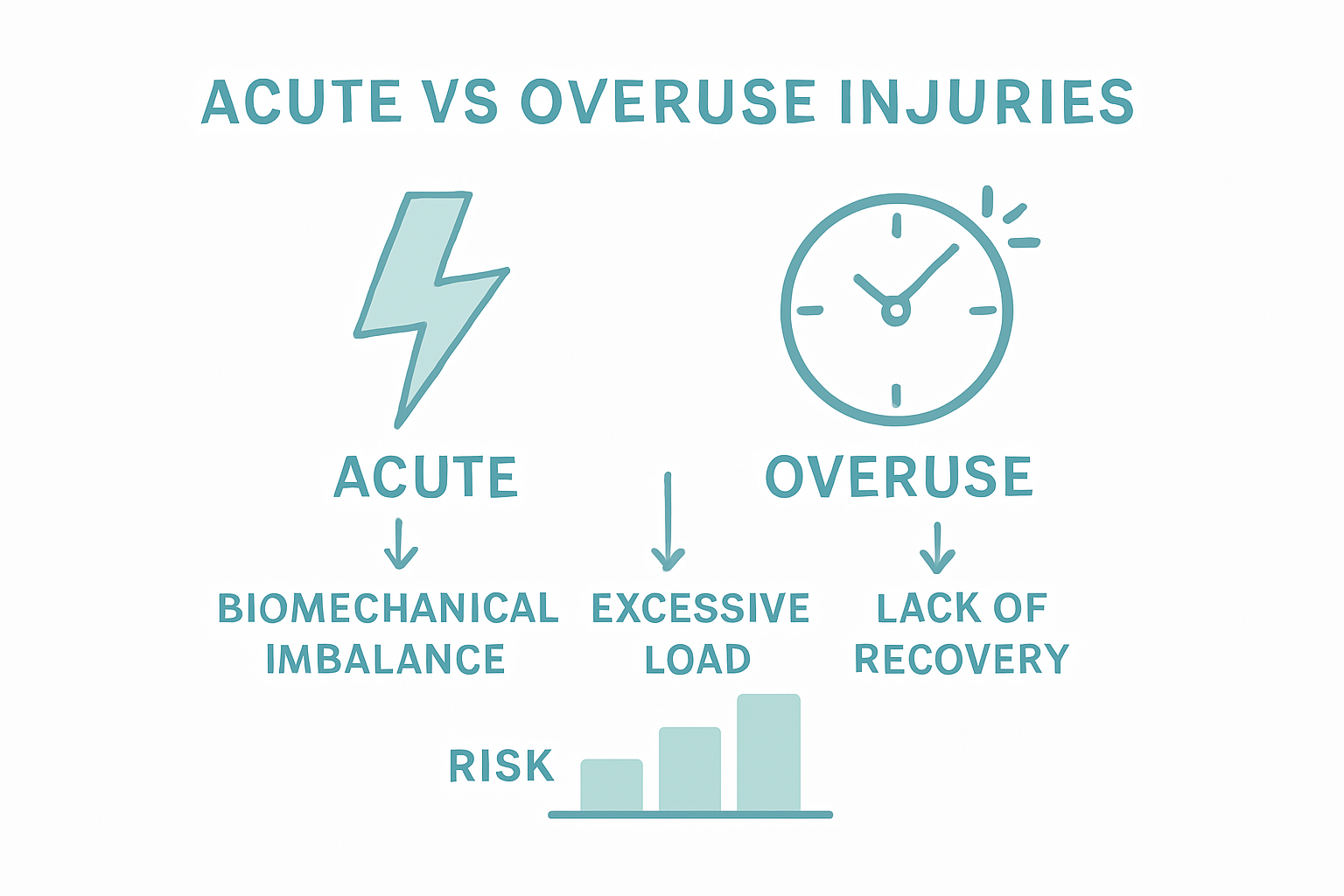
The intersection of biomechanics, load tolerance, and recovery represents a dynamic ecosystem within human physiology. Successful injury prevention requires a holistic approach that recognises individual movement patterns, respects physiological limits, and implements personalised strategies that balance performance aspirations with sustainable physical wellbeing. Professional movement specialists can help decode these complex interactions, transforming potential vulnerabilities into opportunities for enhanced performance and long-term health.
How Lifestyle And Environment Contribute
Modern lifestyles have transformed human movement patterns in ways that profoundly impact our injury susceptibility. From sedentary work environments to increasingly specialised physical activities, our daily routines create complex biomechanical challenges that extend far beyond traditional understanding of physical stress and recovery.
University of Sydney research reveals how excessive specialisation and narrow training approaches can significantly increase injury risks, highlighting the critical importance of balanced lifestyle considerations. Environmental influences play a substantial role in injury development, with factors like workplace ergonomics, repetitive movement patterns, and prolonged static postures creating cumulative strain that often goes unnoticed until significant damage emerges.
Modern professional environments present unique challenges, particularly for individuals in sedentary roles or those performing repetitive tasks. Desk-based workers, tradies, and FIFO personnel experience distinct biomechanical stressors that require targeted intervention strategies. Prolonged sitting compresses spinal structures, reduces muscular activation, and creates imbalanced movement patterns that can lead to chronic pain and increased injury potential. Conversely, physically demanding jobs that require repetitive lifting, awkward postures, or high-intensity manual labour create their own complex injury risk profiles.
Ultimately, understanding injury through a lifestyle lens requires a holistic approach that considers individual movement histories, environmental constraints, and personalised biomechanical adaptations. Professional movement specialists can help decode these complex interactions, transforming potential vulnerabilities into opportunities for enhanced physical resilience and long-term wellbeing. The key lies in recognising that injury prevention is not about avoiding movement, but about creating intelligent, adaptive strategies that support sustainable human performance.
Common Mistakes That Increase Injury Risk
Injury prevention is rarely about avoiding movement entirely, but understanding the subtle yet critical errors that progressively compromise physical resilience. Most individuals unknowingly engage in patterns that incrementally increase their vulnerability to tissue damage and chronic performance limitations.
The Australian Institute of Fitness identifies key mistakes that dramatically escalate injury risks, highlighting how seemingly innocuous decisions can trigger significant physiological strain. Training monotony represents a primary risk factor, where repetitive movement patterns without strategic variation create cumulative stress on specific muscle groups and joint structures. Athletes and active individuals often fall into predictable training routines that fail to challenge the body’s adaptive mechanisms, leading to biomechanical inefficiencies and increased injury susceptibility.
Sports Medicine Australia emphasises that overuse injuries frequently emerge from repeated activities without adequate recovery periods, underscoring the critical importance of strategic rest and rehabilitation. Common mistakes include ignoring early pain signals, pushing through discomfort, maintaining poor technique, and failing to incorporate sufficient recovery and mobility work. Weekend warriors, tradies, and high-performance athletes alike often mistakenly believe that more intense training equates to better results, when in fact, intelligent load management and periodised recovery are the true markers of sustainable performance.
Navigating injury prevention requires a nuanced understanding that goes beyond simple exercise prescription. It demands a holistic approach recognising individual biomechanical variations, respecting physiological limits, and implementing personalised strategies that balance performance aspirations with long-term physical wellbeing. Professional movement specialists can transform potential vulnerabilities into opportunities for enhanced resilience, helping individuals develop more intelligent, adaptive approaches to training and recovery.
Take Control of Your Injury Risks With Expert Support
The hidden factors behind pain and injury often involve complex biomechanics, load management, and lifestyle influences as outlined in this article. If you are tired of pushing through discomfort or struggling with recurring issues from overuse or poor recovery, you are not alone. At North Fremantle Chiropractic, we understand these challenges and focus on building resilience, not just treating symptoms. Our hands-on, movement-based care targets your specific injury risks and empowers you to move, feel, and perform better in daily life and sport.

Don’t let pain hold you back any longer. Discover how personalised chiropractic care combined with strength and conditioning principles can help address your unique biomechanical inefficiencies and recovery needs. Take the first step today by visiting North Fremantle Chiropractic. To learn more about how we support legends of every age, browse our comprehensive care services designed to keep you strong and active for life.
Frequently Asked Questions
What are the main types of injuries?
Injuries are generally classified into two categories: acute injuries, which occur suddenly due to a specific event, and overuse injuries, which develop gradually from repetitive stress without adequate recovery.
How do lifestyle factors contribute to injury risks?
Modern lifestyle factors, such as sedentary work environments and repetitive tasks, can create biomechanical challenges that increase injury susceptibility. Prolonged static postures and lack of movement can lead to chronic pain and heightened risk of injury.
What are common mistakes that increase the risk of injury?
Common mistakes include training monotony, ignoring early pain signals, pushing through discomfort, and insufficient recovery. These behaviours can lead to cumulative stress on muscle groups and joint structures, making individuals more susceptible to injuries.
How can I prevent injuries effectively?
Effective injury prevention requires a holistic approach: listen to your body, vary your training routines, respect recovery needs, and seek professional guidance from movement specialists to develop personalised strategies for sustainable performance.
Recommended
Comments