
Neuro-Muscular Health: Impact on Active Living
- Dr Nathan Bridger
- Dec 12, 2025
- 7 min read

Every Australian uses their neuro-muscular system countless times each day without even thinking about it. From walking up stairs to holding a cup of coffee, this powerful network of nerves and muscles keeps your body moving and stable. Yet over 80 percent of adults experience muscle or joint pain at some stage in life, often because the signals between nerves and muscles are not working at their best. Learning how neuro-muscular health shapes daily life helps you stay strong, prevent injuries, and make simple routines feel effortless.
Table of Contents
Key Takeaways
Point | Details |
Understanding Neuro-Muscular Health | It encompasses the coordination between the nervous system and muscles, critical for daily movements and overall bodily function. |
Importance of Neural Adaptability | As people age, maintaining neuromuscular adaptability through physical activity is vital for sustaining movement efficiency and preventing decline. |
Benefits of Optimising Function | Enhanced neuro-muscular function leads to improved movement precision, reduced injury risk, and better overall physical performance. |
Prevention of Common Issues | Addressing muscular imbalances, poor posture, and neural inefficiencies through proactive strategies can significantly enhance physical health. |
Defining Neuro-Muscular Health in Everyday Life
Neuro-muscular health represents the intricate communication network between your nervous system and muscular structures that enables movement, stability, and overall physical performance. At its core, this complex system allows your brain to send precise signals that control muscle contractions, joint movements, and coordinated actions essential for daily activities.
The Neurological Alliance Australia emphasises that neuro-muscular health isn’t just about athletic performance but encompasses fundamental human functionality. Every time you reach for a coffee mug, walk across a room, or maintain balance while standing, your neuro-muscular system is actively coordinating multiple muscle groups and neural pathways. These interactions happen instantaneously and unconsciously, representing a sophisticated biological machinery that most people take for granted.
Understanding neuro-muscular health means recognising it as more than muscle strength or flexibility. It involves neural adaptability, muscle recruitment patterns, and the body’s capacity to respond dynamically to physical challenges. For active individuals, a well-functioning neuro-muscular system translates to better movement efficiency, reduced injury risk, and enhanced performance across various activities from weightlifting to weekend sports. Chiropractic care for active lifestyles can play a crucial role in maintaining and improving these intricate neurological connections.
Key aspects of neuro-muscular health include:
Muscle coordination and timing
Proprioception (body awareness in space)
Reflex responsiveness
Motor control precision
Neurological signalling efficiency
By focusing on these interconnected elements, individuals can develop a more robust, resilient physical system capable of adapting to diverse movement challenges and maintaining long-term physical wellness.
How Nerves and Muscles Work Together
The relationship between nerves and muscles represents a sophisticated communication system that enables human movement and physical response. Motor neurons from the nervous system transmit electrical signals that trigger precise muscle contractions, creating a seamless interaction between neural pathways and muscular structures.
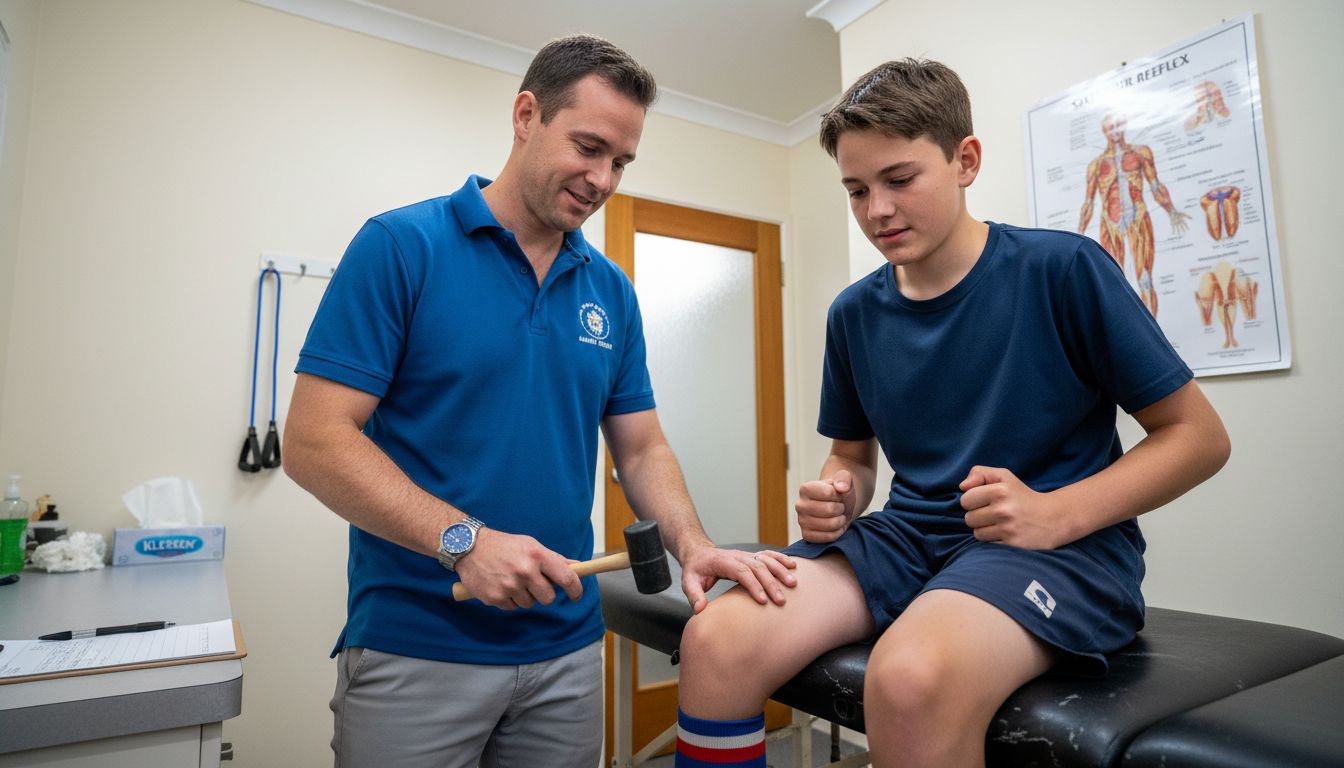
The University of Queensland’s research on muscle coordination reveals that this neurological process is far more complex than simple mechanical action. When you decide to move, your brain generates an electrical impulse that travels through motor neurons, activating specific muscle fibres with remarkable precision. This intricate process happens in microseconds, allowing for rapid, coordinated movements across various physical activities.
Each muscle contraction involves multiple components working synchronously:
Neural signal generation in the brain
Signal transmission through motor neurons
Neuromuscular junction activation
Muscle fibre recruitment
Force generation and movement execution
For active individuals, optimising this neural-muscular communication can significantly enhance performance, reduce injury risk, and improve overall movement efficiency. Neuromuscular efficiency determines how quickly and accurately your body can translate neural signals into coordinated physical actions, which is crucial for athletes, weekend warriors, and anyone seeking peak physical functionality.
Variations in Neuro-Muscular Health Across Ages
Neuro-muscular health is a dynamic landscape that continuously transforms throughout an individual’s lifespan, presenting unique challenges and opportunities at each developmental stage. National strategies for neurological conditions underscore the critical importance of understanding these age-specific variations in neural and muscular function.
In childhood and adolescence, neuro-muscular development is characterized by rapid neural pathway formation and muscular growth. Young bodies demonstrate extraordinary neuroplasticity, with motor skills progressively becoming more refined and coordinated. This period represents a critical window for establishing strong neural connections, where physical activities and movement patterns lay the groundwork for future muscular efficiency and movement complexity.
Key neuro-muscular health considerations across different life stages include:
Childhood: Rapid neural pathway development
Adolescence: Muscle strength and coordination refinement
Young Adults: Peak muscular efficiency and neural responsiveness
Middle Age: Gradual decline in muscle mass and neural plasticity
Older Adults: Increased focus on maintaining muscular strength and neurological function
As individuals transition through adulthood, neuromuscular adaptability becomes increasingly important. Maintaining regular physical activity, engaging in strength training, and supporting neural health can significantly mitigate age-related declines in muscular performance and neurological responsiveness. Strategic approaches to movement, recovery, and targeted exercises can help preserve neuro-muscular function, ensuring individuals continue to move with confidence and capability throughout their lifetime.
Benefits of Optimising Neuro-Muscular Function
University of Queensland’s research on muscle coordination reveals that optimising neuro-muscular function delivers transformative benefits across physical performance and overall health. By enhancing the sophisticated communication network between nerves and muscles, individuals can unlock significant improvements in movement quality, injury prevention, and physiological resilience.
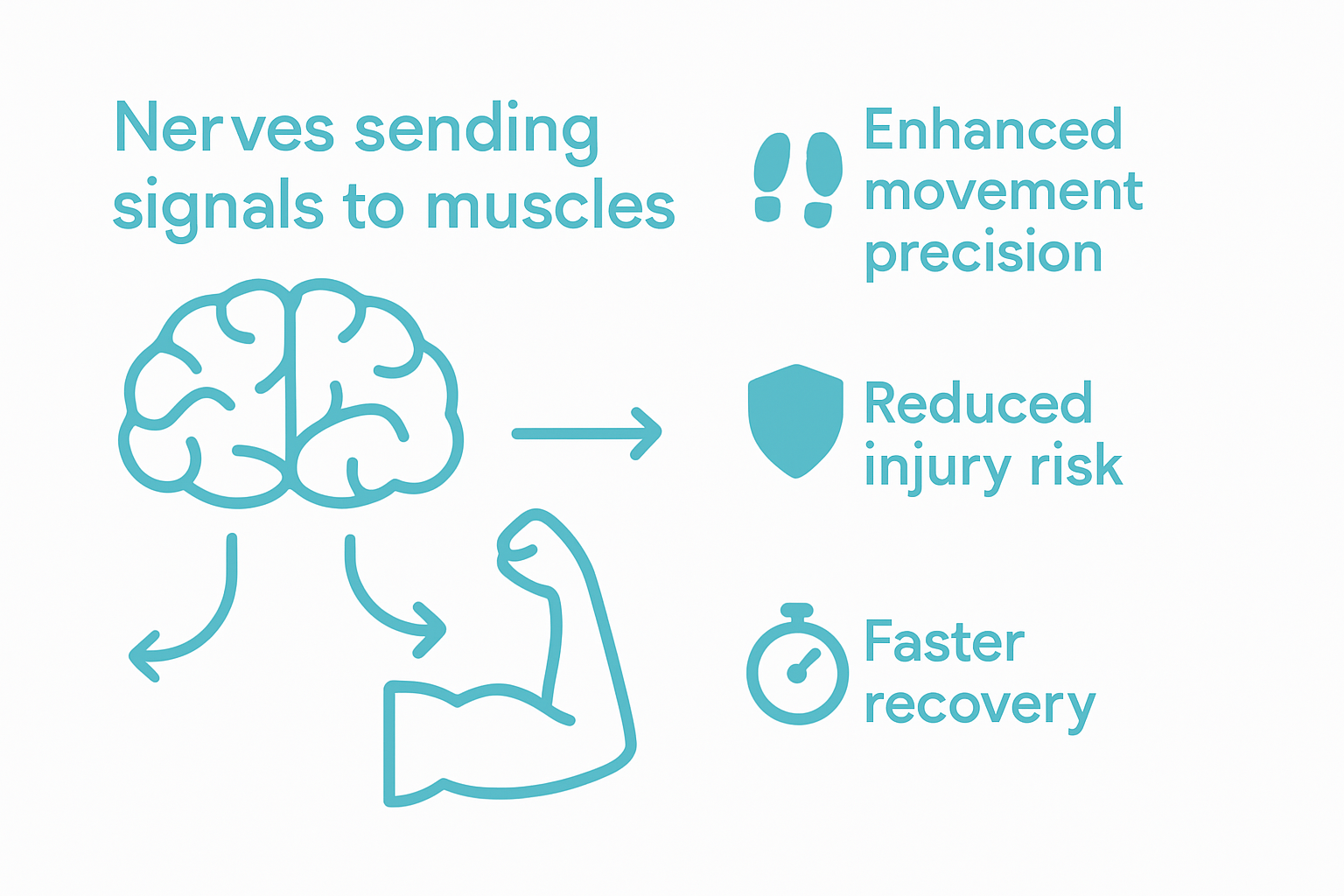
The Australian Institute of Fitness highlights the critical role of strength training in developing neuromuscular efficiency. This process involves training the nervous system to recruit muscle fibres more effectively, resulting in smoother, more coordinated movements and enhanced muscular activation. Such optimisation translates to tangible benefits across various physical domains, from everyday functional movement to high-performance athletic pursuits.
Key benefits of optimising neuro-muscular function include:
Improved movement precision and coordination
Enhanced muscle recruitment patterns
Reduced risk of musculoskeletal injuries
Increased movement efficiency
Better postural control and balance
Accelerated rehabilitation and recovery processes
For active individuals seeking chiropractic care advantages, understanding and developing neuro-muscular function represents a critical pathway to sustained physical performance. By implementing targeted strategies that support neural-muscular communication, individuals can create a robust foundation for long-term movement health, preventing potential injuries and maintaining optimal physical functionality across different life stages.
Common Issues and How to Avoid Them
National strategies for neurological conditions highlight the critical importance of understanding and preventing common neuro-muscular health challenges. These issues can significantly impact an individual’s quality of life, affecting everything from daily functional movements to long-term physical performance and overall wellness.
Common neuro-muscular health challenges often stem from repetitive strain, poor movement patterns, and inadequate recovery. Neuromuscular dysfunction can manifest through various symptoms, including muscle weakness, reduced coordination, unexpected fatigue, and increased injury susceptibility. These challenges are particularly prevalent among active individuals, tradies, and professionals with sedentary or physically demanding work environments.
Key common neuro-muscular issues and prevention strategies include:
Muscular imbalances
Regular strength training
Balanced exercise routines
Poor posture
Ergonomic workplace setup
Regular mobility exercises
Neural pathway inefficiencies
Consistent movement practice
Targeted neurological rehabilitation
Overuse injuries
Proper rest and recovery
Gradual load progression
Preventing these challenges requires a proactive approach to chiropractic care for active lifestyles. By understanding individual movement patterns, addressing potential weaknesses, and implementing targeted intervention strategies, individuals can significantly reduce their risk of neuro-muscular complications and maintain optimal physical functionality.
Elevate Your Neuro-Muscular Health with Expert Chiropractic Care
Understanding neuro-muscular health means recognising the vital connection between your nervous system and muscles that supports every movement you make. If you experience challenges like reduced coordination, muscle imbalances, or slower recovery after activity, you are not alone. These pain points, grounded in neural adaptability and muscle recruitment patterns, demand a proactive approach to restore precision and resilience in your movements.
At North Fremantle Chiropractic, we specialise in hands-on, movement-based care tailored to optimise your neuromuscular function. Whether you are a parent balancing life and training, a weekend warrior, or an athlete striving for peak performance, our elite solutions combine chiropractic expertise with strength and conditioning principles to reduce injury risk and enhance coordination. Discover how our targeted care can transform your everyday performance and help you maintain long-term physical wellness.
Don’t wait for pain or dysfunction to slow you down. Experience the benefits of improved motor control and neural signalling efficiency now by booking a consultation at North Fremantle Chiropractic. Take the first step towards moving, feeling, and performing better with our proven chiropractic care for active lifestyles and return to doing what you love with confidence.
Frequently Asked Questions
What is neuro-muscular health?
Neuro-muscular health refers to the communication between the nervous system and muscles, which enables movement, stability, and overall physical performance. It involves neural adaptability, muscle coordination, and the capacity to respond dynamically to physical challenges.
How do nerves and muscles work together in the body?
Nerves convey electrical signals from the brain to motor neurons, which activate specific muscle fibres for coordinated movement. This complex interaction allows for rapid responses and precise muscle contractions essential for various activities.
What are the benefits of optimising neuro-muscular function?
Optimising neuro-muscular function can lead to improved movement precision, enhanced muscle recruitment, reduced injury risk, better posture and balance, and accelerated recovery processes, contributing to overall physical wellness.
What common issues affect neuro-muscular health?
Common issues include muscular imbalances, poor posture, neural pathway inefficiencies, and overuse injuries. These can arise from repetitive strain, inadequate recovery, or poor movement patterns and may lead to reduced coordination and increased injury risk.
Recommended