
Step by Step Injury Rehab for Faster Recovery Results
- Dr Nathan Bridger
- Dec 12, 2025
- 7 min read

Most australian injuries require a thoughtful approach to rehabilitation, yet studies show that nearly 60 percent of people skip critical recovery steps after an accident or strain. Understanding how to manage setbacks and set practical goals matters for long term strength and prevention. This step-by-step guide gives you a straightforward plan for assessing injuries, reducing pain, rebuilding confidence, and tracking progress so you can recover smarter and safer.
Table of Contents
Quick Summary
Key Insight | Explanation |
1. Assess Injury for Recovery | Thoroughly assess your injury with a professional to set realistic, personalised rehabilitation goals. |
2. Effective Pain Management | Implement a comprehensive pain relief strategy that includes both physical and mental approaches to support healing. |
3. Targeted Exercise Program | Focus on a progressive exercise routine designed for your specific injury to restore mobility and build strength. |
4. Monitor and Adjust Progress | Regularly track your recovery progress and adapt your rehab plan in collaboration with your healthcare provider. |
5. Emphasise Consistent Effort | Stay patient and committed; consistent effort leads to improved strength, resilience, and a successful recovery. |
Step 1: Assess the injury and set realistic goals
Recovery starts with understanding exactly what you’re dealing with. Carefully evaluating your injury helps create a targeted rehabilitation strategy that gets you back to full strength faster and safer. The key is taking a methodical approach that considers your specific body, lifestyle, and healing potential.
Begin by getting a professional medical assessment that provides clear insights into your injury’s nature and severity. A healthcare professional can help you develop SMART rehabilitation goals that are specific, measurable, achievable, relevant, and time-bound. This means moving beyond generic recovery timelines and creating a personalised roadmap tailored to your unique circumstances.
The most effective goal-setting happens collaboratively. Work closely with your healthcare provider to understand your injury’s biomechanics, potential complications, and realistic recovery milestones. Person-centered goal strategies mean you’re not just following a standard protocol but actively participating in your own healing journey. Document your goals clearly track your progress, and remain flexible enough to adjust as your body responds to treatment.
Remember that patience and consistent effort are your greatest allies in rehabilitation. Some days will feel slower than others, but steady progress builds lasting strength and resilience.
Step 2: Reduce pain and manage acute symptoms
Reducing pain and managing acute symptoms is critical to creating a foundation for successful recovery. Your immediate goal is to minimise discomfort, control inflammation, and create the right environment for healing to begin effectively.
Start by implementing a comprehensive pain management strategy that combines both physical and therapeutic approaches. Acute pain management techniques recommend a balanced approach that includes both non pharmacological methods and targeted interventions. This might involve rest, careful application of ice or heat, gentle compression, and strategic use of over the counter pain relief medications as recommended by your healthcare professional.
Pay close attention to your body’s signals and avoid pushing through sharp or intense pain. Gentle movement within comfortable limits can help prevent stiffness, but aggressive activity could potentially worsen your injury. Consider incorporating low impact techniques like controlled breathing, light stretching, and mindful relaxation to support your body’s natural healing processes.
Remember that pain management is not just about physical treatment. Your mental approach matters significantly. Stay positive, patient, and focused on your gradual recovery progression. Each small step of reduced pain and increased mobility is a victory worth celebrating.
Step 3: Restore movement with targeted exercises
Restoring movement is about strategic rehabilitation that progressively rebuilds your strength and flexibility. This crucial phase transforms your recovery from passive healing to active reconstruction, helping you regain functional mobility and confidence.
Rehabilitation programs are not about pushing through pain but carefully designing exercises that match your specific injury and healing stage. Start with gentle range of motion exercises prescribed by a professional who understands your unique biomechanical needs. These might include controlled stretches, light resistance movements, and carefully monitored progressions that respect your body’s current capabilities.
Your exercise strategy should be dynamic and responsive. Individualized treatment plans mean you’re not following a generic protocol but a personalised pathway that adapts as you heal. Work closely with your healthcare provider to track progress, modify exercises as needed, and ensure you’re building strength without risking re-injury. Remember that consistent, mindful movement is your strongest ally in returning to full function.
Stay patient and listen to your body. Some days will feel easier than others, but each careful movement is a step towards complete recovery.
Step 4: Build strength and prevent re-injury
Building strength during rehabilitation is more than just muscle recovery its about creating a resilient body that can withstand future challenges. This crucial phase transforms your healing journey from passive recovery to active performance enhancement.
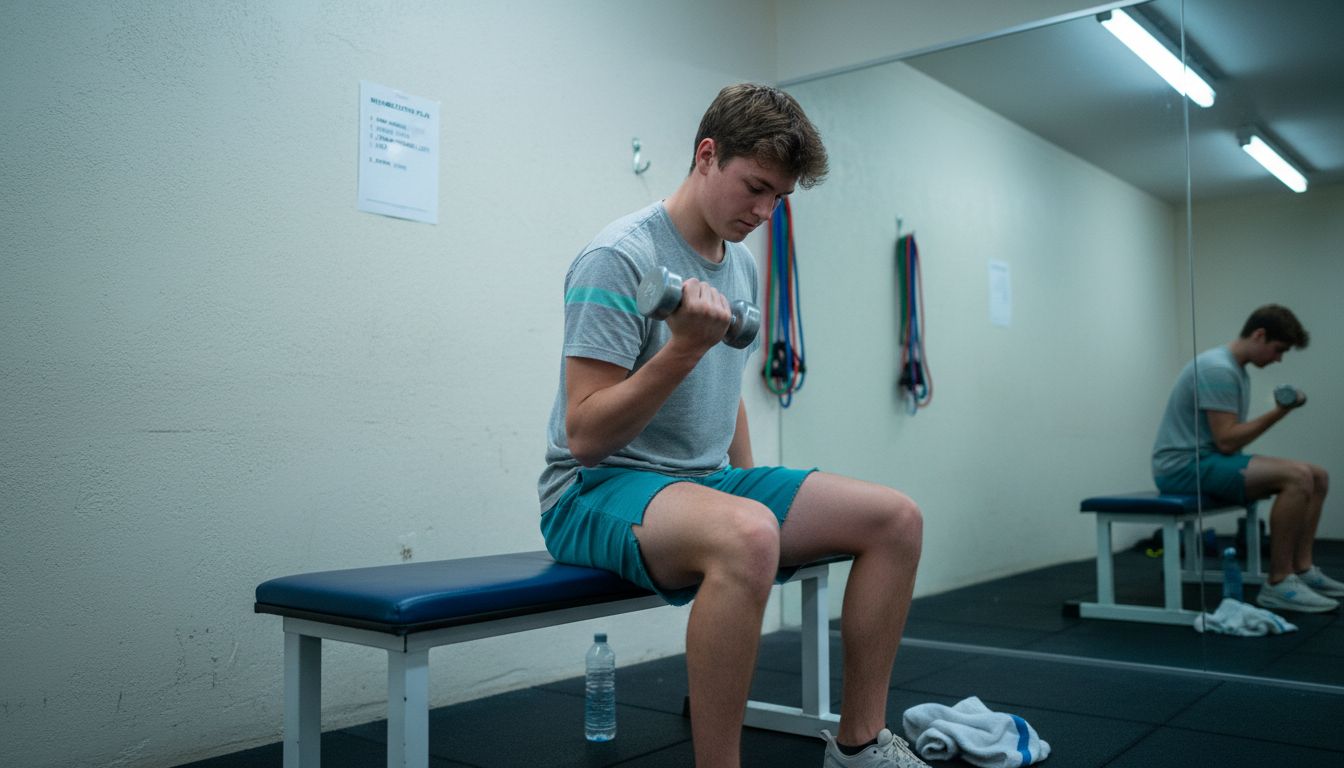
Empowering rehabilitation strategies emphasise active participation and self management. This means working closely with healthcare professionals to develop a comprehensive strength building program that addresses your specific injury mechanics. Focus on exercises that not only rebuild muscle strength but also improve joint stability, proprioception, and overall movement patterns.
Start with low impact, controlled movements that progressively challenge your body’s resilience. This might include targeted resistance training, balance exercises, and functional movement patterns that mimic your daily activities. Pay close attention to symmetry and technique ensuring that you develop balanced strength across muscle groups to prevent future compensatory movements that could lead to re-injury.
Remember that strength is built through consistency, patience, and intelligent progression. Your body is incredibly adaptable when given the right support and guidance. Stay motivated, listen to your body, and celebrate each small improvement as a significant step towards complete recovery.
Step 5: Monitor progress and adjust your rehab plan
Monitoring your rehabilitation progress is crucial for ensuring you stay on track and continue making meaningful improvements. This step transforms your recovery from a passive experience to an active, data driven journey of healing and strength.
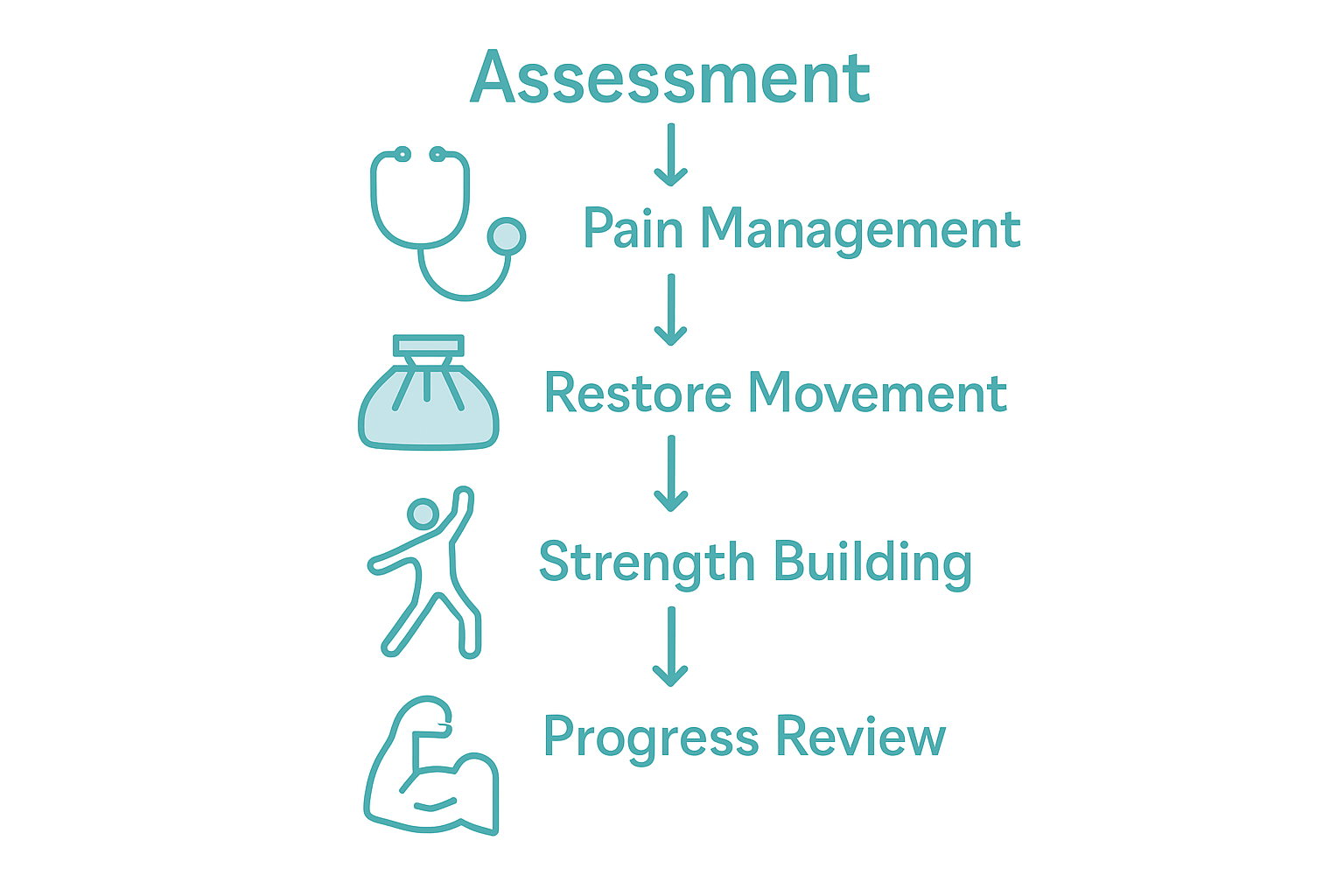
Rehabilitation plans require regular assessment to remain effective and responsive to your body’s changing needs. Work closely with your healthcare professional to establish clear, measurable goals and create a system for tracking your progress. This might involve regular physical assessments, range of motion tests, strength measurements, and outcome tracking using specialised rehabilitation scales.
Be prepared to adapt your rehabilitation strategy as you heal. Some exercises that felt challenging initially might become easier, while other areas might require more focused attention. Your ability to remain flexible and responsive is key to successful recovery. Document your progress, celebrate small wins, and maintain open communication with your healthcare team about how you’re feeling and performing.
Remember that recovery is not a linear path. Some weeks will feel more challenging than others, but consistent effort and intelligent adaptation will ultimately lead you back to full function and strength.
Take Control of Your Injury Recovery Journey Today
Injury rehabilitation can feel overwhelming when dealing with pain management, restoring movement, and building lasting strength. This article breaks down each step to help you set realistic goals and progress mindfully while avoiding re-injury. If you are ready to move beyond pain and rebuild your strength with personalised, hands-on care tailored to your unique needs, North Fremantle Chiropractic is here to support you every step of the way.
Don’t wait for your injury to define what you can do. Our team specialises in combining elite sports chiropractic techniques with practical strength and conditioning principles so you can accelerate your rehab, regain confidence, and get back to doing what you love. Take the first step towards a resilient and active recovery by visiting North Fremantle Chiropractic. Make your rehabilitation plan smarter and stronger today.
Frequently Asked Questions
How can I assess my injury effectively?
Start by seeking a professional medical assessment to understand the nature and severity of your injury. Collaborate with your healthcare provider to develop a personalised rehabilitation strategy, ensuring that your goals are Specific, Measurable, Achievable, Relevant, and Time-bound (SMART).
What should I do to manage pain during my rehabilitation?
Implement a comprehensive pain management strategy that includes both physical treatments and therapeutic approaches. Begin with methods such as rest, ice application, and over-the-counter pain relief as recommended by your healthcare professional for optimal comfort and recovery.
What types of exercises should I focus on to restore movement?
Begin with gentle range of motion exercises that are tailored to your specific injury and healing stage. Gradually incorporate light resistance movements and controlled stretches to enhance flexibility while working closely with your healthcare provider to ensure you’re progressing safely.
How can I build strength and prevent re-injury?
Focus on a strength-building programme that addresses your specific injury mechanics while incorporating low-impact movements. Concentrate on exercises that foster joint stability and balance to ensure you build resilience across muscle groups, reducing the risk of future injuries.
Why is it important to monitor my rehab progress?
Regular monitoring of your rehabilitation progress is crucial to ensure your recovery plan remains effective and responsive. Establish clear, measurable goals with your healthcare professional and document your improvements to celebrate milestones and adjust your strategy as needed.
How long does it typically take to see results from rehabilitation?
The timeline for visible results in rehabilitation varies by injury and individual recovery rates. However, with consistent effort and adherence to a structured plan, you may begin to notice positive changes within 30 to 60 days.
Recommended