
Role of Strength in Rehabilitation – From Recovery to Performance
- Dr Nathan Bridger

- Dec 30, 2025
- 7 min read
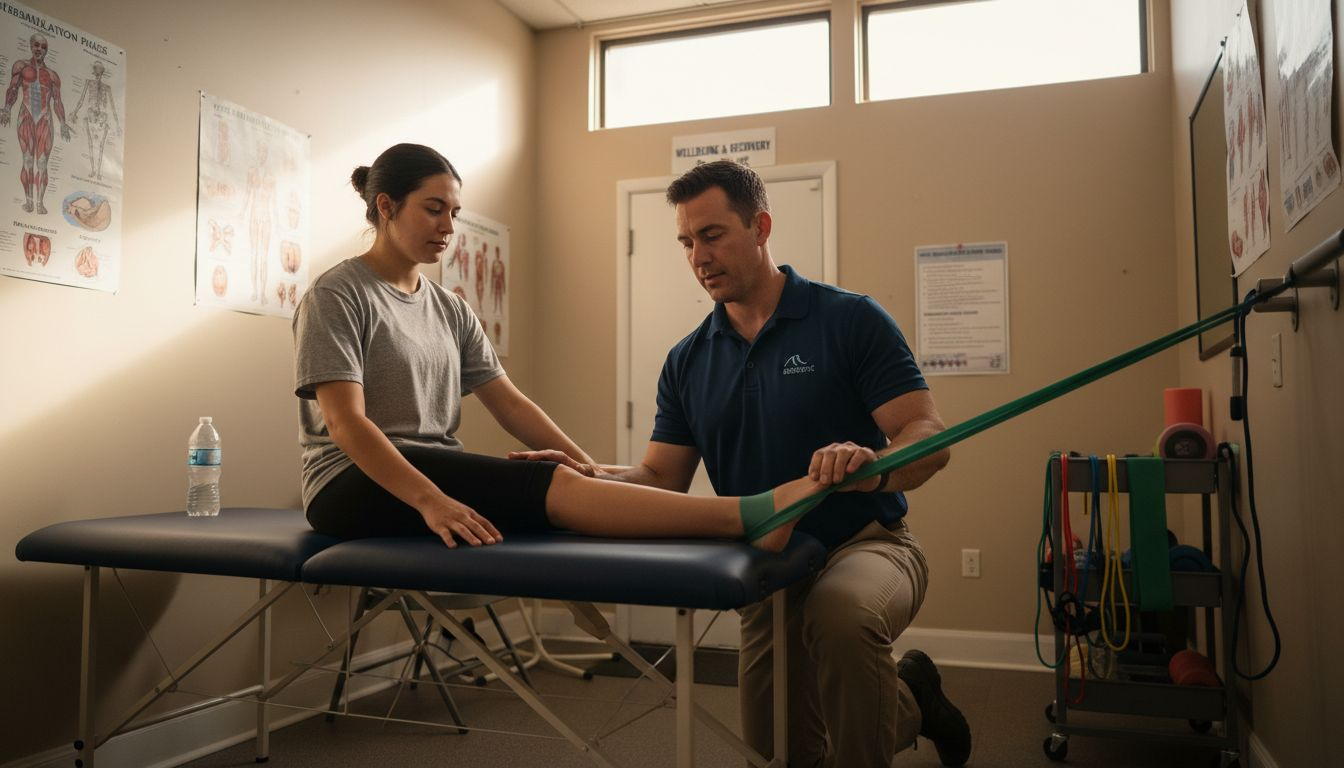
More than 4.4 million Australians experience the need for rehabilitation each year, highlighting the wide reach of recovery challenges in this country. For many australian patients, building true strength during rehabilitation is about more than just muscle power. It means restoring independence and confidence after injury or illness. Understanding the evolving concept of strength helps individuals and families make better choices about therapies, progress, and long-term wellbeing.
Table of Contents
Key Takeaways
Point | Details |
Holistic Rehabilitation Strength | Rehabilitation strength encompasses not just physical capacity but also psychological and functional dimensions, facilitating meaningful recovery. |
Diverse Strength Training Methods | A variety of strength training techniques exist, each tailored to individual rehabilitation needs, promoting effective recovery. |
Preventing Re-Injury | Targeted strength training builds resilience and stability, significantly reducing the risk of recurring injuries. |
Avoiding Common Mistakes | Understanding and addressing individual biomechanics and recovery needs is crucial to enhance rehabilitation effectiveness. |
Defining Strength in Rehabilitation Settings
Strength in rehabilitation transcends traditional physical muscle capacity, representing a holistic approach to recovery that integrates physiological, psychological, and functional dimensions. Rehabilitation strength is not merely about lifting weights, but about rebuilding an individual’s capacity to perform meaningful activities and regain independence.
In mental health and physical rehabilitation contexts, strength emerges as a multifaceted concept. Emerging research highlights how clinicians are shifting towards person-centered models that identify and leverage clients’ inherent capabilities. This approach recognises strength not as a static attribute, but as a dynamic process of recovery and resilience.
The core components of rehabilitation strength encompass:
Muscular strength: Physical capacity and muscle power
Neurological resilience: Neural pathway reconstruction and motor control
Psychological fortitude: Mental endurance and adaptive coping mechanisms
Functional capacity: Ability to perform daily activities with increasing independence
Pro Tip: Personalised Strength Assessment: Work closely with rehabilitation professionals to develop a comprehensive strength assessment that considers your unique physiological, psychological, and functional recovery goals.
Types of Strength Training in Recovery
Strength training in rehabilitation is a nuanced approach that goes beyond traditional weightlifting, offering diverse methodologies tailored to individual recovery needs. Different techniques target specific physiological and functional rehabilitation goals, ensuring comprehensive healing and performance restoration.
Innovative training methods like flywheel training have emerged as sophisticated approaches to strength development. This technique generates resistance through a flywheel’s inertia, providing variable resistance throughout movement ranges and enabling unique benefits such as eccentric overload, muscle hypertrophy, and enhanced tendon resilience.
Key types of strength training in recovery include:
Isometric Strength Training: Static muscle contractions without joint movement
Isotonic Strength Training: Dynamic muscle contractions with consistent resistance
Isokinetic Strength Training: Exercises with controlled movement speed
Eccentric Strength Training: Focus on muscle lengthening under tension
Proprioceptive Neuromuscular Facilitation: Techniques combining stretching and muscle activation
Each training type offers unique advantages in addressing specific rehabilitation challenges, promoting muscle recruitment, neural pathway reconstruction, and functional movement patterns. The selection depends on individual injury profiles, recovery stages, and specific performance objectives.
Here’s a comparison of common strength training methods used in rehabilitation and their primary focus:
Training Method | Main Focus | Ideal For |
Isometric Strength Training | Static muscle tension | Early-stage injury rehab |
Isotonic Strength Training | Dynamic resistance | Overall strength gain |
Isokinetic Strength Training | Controlled movement speed | Post-surgical joint rehab |
Eccentric Strength Training | Muscle lengthening under load | Tendon and muscle resilience |
Proprioceptive Neuromuscular Facilitation | Coordination and flexibility | Improving movement patterns |
Pro Tip: Progressive Overload Strategy: Collaborate with rehabilitation specialists to design a graduated strength training program that incrementally challenges your muscular and neurological systems while respecting individual healing timelines.
How Strength Improves Healing and Performance
Strength training transcends traditional rehabilitation, emerging as a powerful catalyst for comprehensive healing and enhanced physical performance. By strategically engaging muscle groups, neurological systems, and metabolic processes, strength training initiates a complex cascade of physiological adaptations that support recovery and functional restoration.
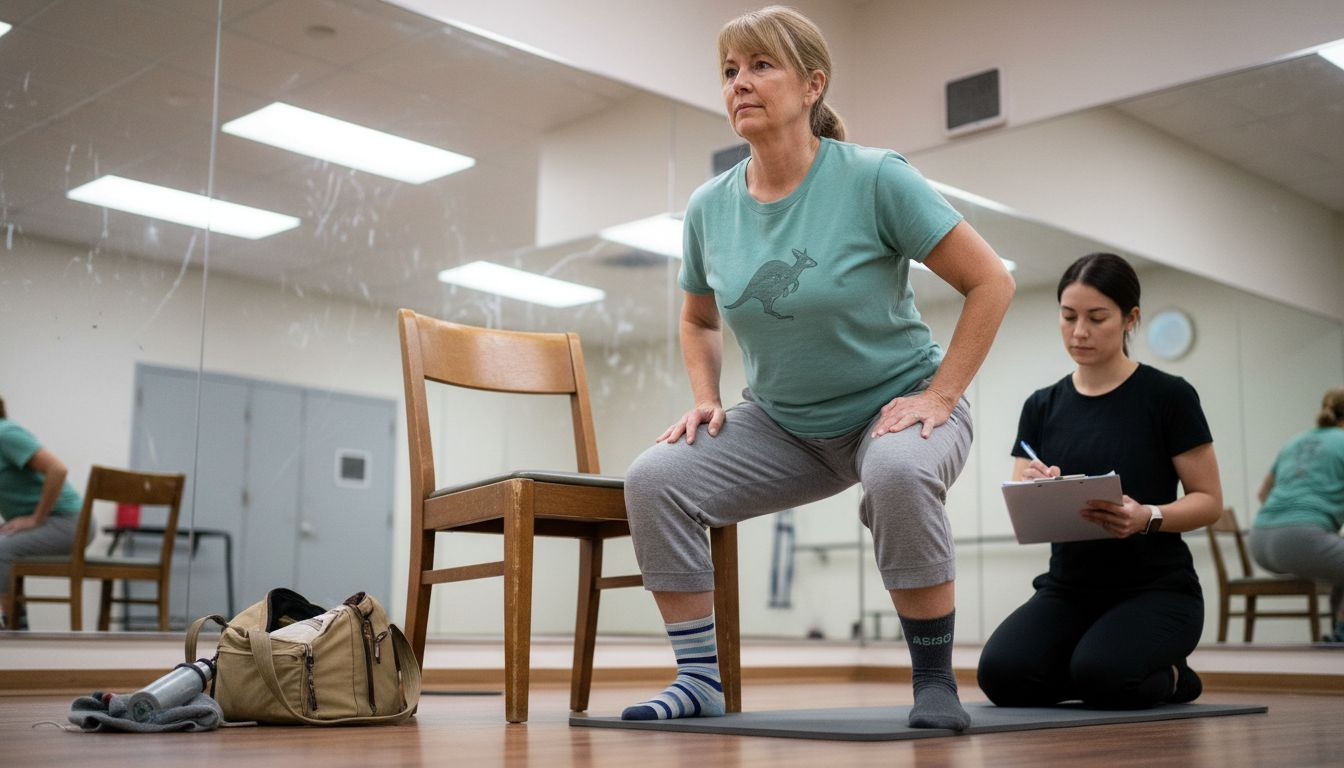
Systematic research in rehabilitation science demonstrates remarkable outcomes in patient recovery. Studies have shown that targeted strengthening interventions can significantly improve muscle strength, activity levels, and functional capacity across various rehabilitation contexts, including neurological conditions like stroke recovery.
The multifaceted benefits of strength training in healing and performance include:
Tissue Regeneration: Stimulating cellular repair mechanisms
Neurological Adaptation: Enhancing neural pathway efficiency
Metabolic Optimization: Improving energy utilisation and recovery
Biomechanical Resilience: Restoring movement patterns and joint stability
Psychological Empowerment: Building confidence through progressive physical achievement
Beyond immediate rehabilitation goals, ongoing research from the University of Sydney emphasises strength training’s long-term impact on mobility, health, and quality of life. Regular strength exercises, performed consistently and professionally, contribute to sustained physical function and overall wellness.
The table below summarises how strength training supports different recovery outcomes:
Recovery Outcome | How Strength Training Helps | Example Benefit |
Tissue Healing | Stimulates cellular repair | Faster injury recovery |
Neurological Function | Reinforces neural pathways | Improved movement control |
Metabolic Health | Enhances energy utilisation | Quicker overall recovery |
Biomechanical Stability | Improves joint and tendon resilience | Reduced injury recurrence |
Psychological Wellbeing | Builds patient confidence | Greater motivation to progress |
Pro Tip: Progressive Load Management: Work with rehabilitation professionals to design a carefully calibrated strength training program that respects your body’s current capacity while systematically challenging your physiological boundaries.
Reducing Re-Injury Risk Through Strength
Strength training represents a critical strategy in preventing recurring injuries, transforming rehabilitation from reactive treatment to proactive protection. By systematically building muscular resilience, neuromuscular control, and biomechanical stability, individuals can significantly reduce their vulnerability to future physical setbacks.
Understanding the underlying mechanisms of injury prevention reveals how targeted strength development creates multiple protective layers. Strong muscles act as dynamic stabilisers, absorbing unexpected forces, redistributing mechanical stress, and maintaining optimal joint alignment during complex movements.
Key strategies for reducing re-injury risk through strength include:
Movement Pattern Retraining: Correcting compensatory movement strategies
Muscle Balance Development: Addressing asymmetries and muscular weaknesses
Proprioceptive Enhancement: Improving body awareness and neuromuscular control
Structural Resilience: Building tissue tolerance and load-bearing capacity
Biomechanical Efficiency: Optimising movement mechanics to minimise unnecessary stress
The interconnected nature of strength training means that improvements in one area create cascading protective effects. Neural adaptations, enhanced motor control, and increased tissue resilience work synergistically to create a robust defence against potential injuries.
Pro Tip: Individualised Assessment Approach: Collaborate with rehabilitation professionals to conduct comprehensive movement screenings that identify your unique biomechanical vulnerabilities and design personalised strength interventions to address them systematically.
Common Mistakes in Strength Rehab Approaches
Rehabilitation strength training demands precision, nuance, and a deep understanding of individual physiological responses. Many individuals unknowingly compromise their recovery journey by adopting ineffective or potentially harmful approaches that can delay healing and increase injury risk.
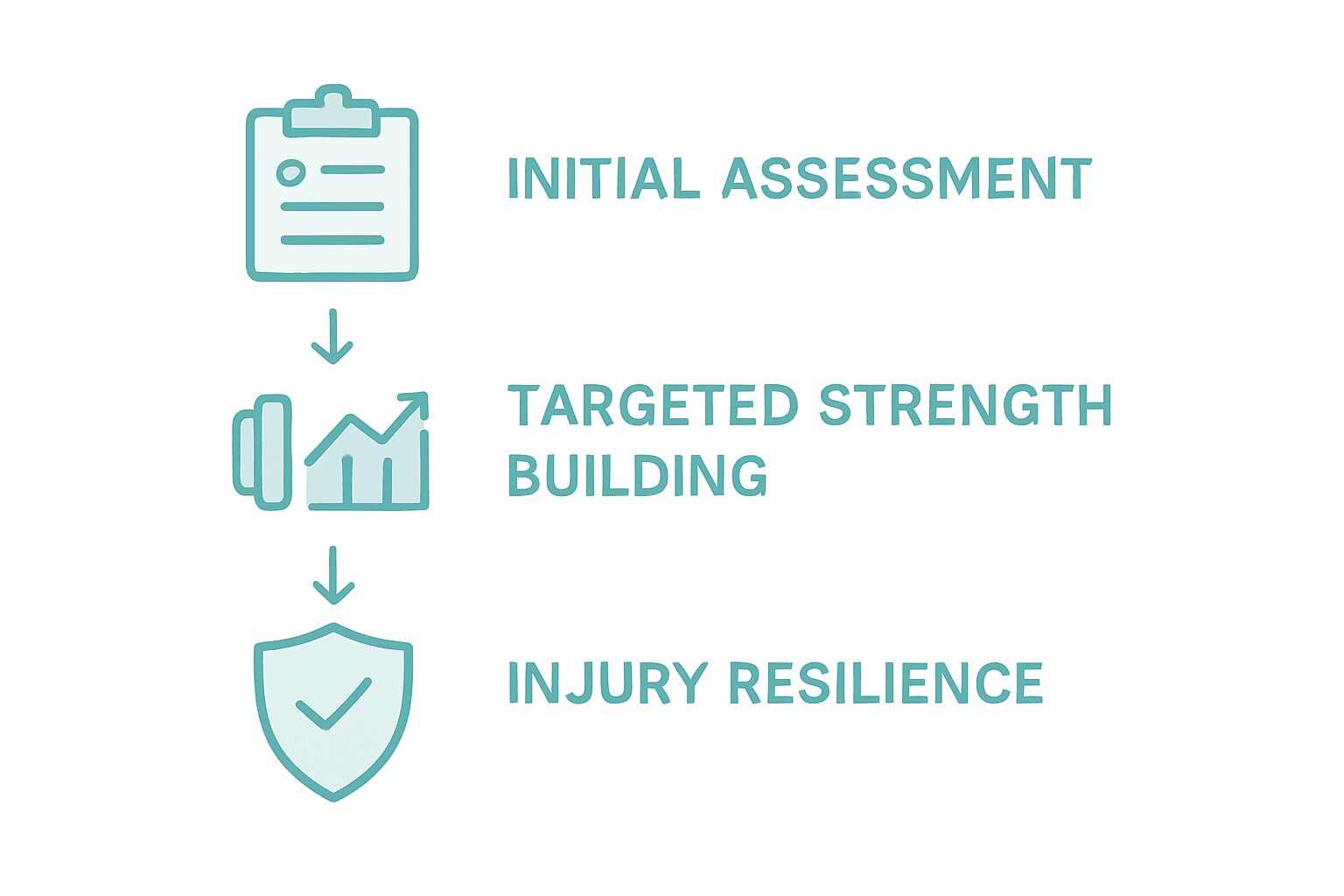
Research on rehabilitation strategies highlights critical mistakes that can undermine rehabilitation effectiveness. One of the most prevalent errors is inadequate recovery management, which can lead to overtraining, tissue breakdown, and prolonged healing timelines.
Common mistakes in strength rehabilitation include:
Ignoring Individual Biomechanics: Applying generic training protocols
Premature Progressive Loading: Increasing intensity before establishing foundational stability
Neglecting Comprehensive Movement Patterns: Focusing solely on isolated muscle groups
Insufficient Recovery Periods: Training without adequate rest between sessions
Psychological Disengagement: Treating rehabilitation as a purely physical process
Successful rehabilitation requires a holistic approach that balances physiological adaptation, psychological readiness, and systematic progression. Understanding these common pitfalls enables individuals to design more intelligent, responsive, and effective strength training strategies that support genuine recovery and performance enhancement.
Pro Tip: Recovery Intelligence: Implement strategic rest periods and actively monitor your body’s response to training, allowing 48-72 hours between targeted muscle group sessions to facilitate optimal tissue repair and adaptation.
Unlock Your True Strength and Resilience with Expert Support
Rebuilding strength during rehabilitation is about more than just muscle power. It is about restoring your ability to move confidently, prevent re-injury, and regain independence. If you are struggling with movement, facing repeated injuries, or uncertain about how to safely progress your strength training, you are not alone. Concepts like progressive load management and individualised assessment are vital to your recovery journey and can make all the difference.
At North Fremantle Chiropractic, we focus on combining elite chiropractic care with proven strength and conditioning principles tailored to your unique needs. Our hands-on, movement-based approach ensures you build lasting resilience and functional capacity while avoiding common pitfalls such as premature loading or neglecting movement patterns.
Ready to move beyond pain and start rebuilding your strength with confidence? Explore how our expert team helps legends of all ages optimise their recovery and performance by visiting North Fremantle Chiropractic. Don’t wait to make progress that lasts—take the first step today and rediscover what your body can do.
Frequently Asked Questions
What are the key components of strength in rehabilitation?
The key components of strength in rehabilitation include muscular strength, neurological resilience, psychological fortitude, and functional capacity.
How does strength training support recovery and performance?
Strength training supports recovery and performance by stimulating tissue regeneration, enhancing neurological function, optimizing metabolic health, improving biomechanical stability, and empowering psychological well-being.
What types of strength training are effective in rehabilitation?
Effective types of strength training in rehabilitation include isometric, isotonic, isokinetic, eccentric training, and proprioceptive neuromuscular facilitation, each targeting specific recovery needs.
How can strength training reduce the risk of re-injury?
Strength training reduces the risk of re-injury by improving movement patterns, developing muscle balance, enhancing proprioception, building structural resilience, and optimizing biomechanical efficiency.
Recommended
Comments