
Role of Strength in Injury Prevention for Active Parents
- Dr Nathan Bridger
- Dec 30, 2025
- 7 min read
Over 60 percent of Australian parents report muscle or joint pain from daily physical demands. For active families in North Fremantle and surrounding suburbs like Palmyra, Mosman Park and Bicton balancing athletic pursuits with energetic children means injury risks are always close. Prioritising strength training is not just about appearance, it is about creating a resilient body ready for sport and play. Learn how adopting proven strategies can help support injury prevention, keeping you strong and moving alongside your kids.
Table of Contents
Key Takeaways
Point | Details |
Importance of Strength Training | Strength training is crucial for injury prevention, enhancing resilience in muscles, bones, and joints. It helps active parents better manage unpredictable physical demands. |
Addressing Muscle Imbalances | Muscle imbalances can increase injury risk; balanced strength training programmes should target both primary and stabilising muscles for optimal performance. |
Integrating Strength Training | Family activities can incorporate strength training, transforming everyday tasks into fitness opportunities, which promotes healthy habits among children. |
Kids’ Strength Development | Safe, age-appropriate bodyweight exercises help children build strength while staying engaged and injury-free; positive reinforcement is key to maintaining their interest. |
What Strength Means for Injury Prevention
Strength training represents far more than muscle building for active parents. It’s a strategic approach to protecting your body’s fundamental movement capabilities and reducing injury risk. Research from sports medicine experts demonstrates that targeted strength work can dramatically decrease both acute and overuse injuries across different activity levels.
At its core, strength training enhances the body’s resilience by improving muscle, bone, and joint performance. This means developing muscular endurance, joint stability, and neuromuscular coordination that helps absorb physical stress more effectively. Central research highlights that consistent strength work creates a protective network within your musculoskeletal system, making movements more efficient and less prone to breakdown.
For parents juggling multiple physical demands, strength training acts like a comprehensive insurance policy for your body. It doesn’t just build muscle mass but develops a more responsive, adaptable physical system. By progressively challenging your muscles through resistance exercises, you’re essentially training your body to handle unexpected movements, sudden loads, and the unpredictable physical challenges that come with parenting and active lifestyles.
Pro tip: Start with bodyweight exercises that mimic daily parenting movements like squats, lunges, and functional core work to build practical, injury-resistant strength.
How Muscles and Joints Stay Injury-Free
Healthy muscles and joints form the foundation of injury prevention, particularly for active parents navigating complex physical challenges. University of Queensland researchers demonstrate that targeted exercise and rehabilitation strategies can significantly reduce musculoskeletal injury risks by enhancing body mechanics and movement efficiency.
The key to staying injury-free lies in understanding how muscle strength and joint stability work together. Strong muscles act as natural shock absorbers, protecting joints from excessive mechanical stress. Sports medicine research reveals that muscles surrounding critical joints like hips, knees, and shoulders play a crucial role in distributing physical loads and preventing potential damage during dynamic movements.
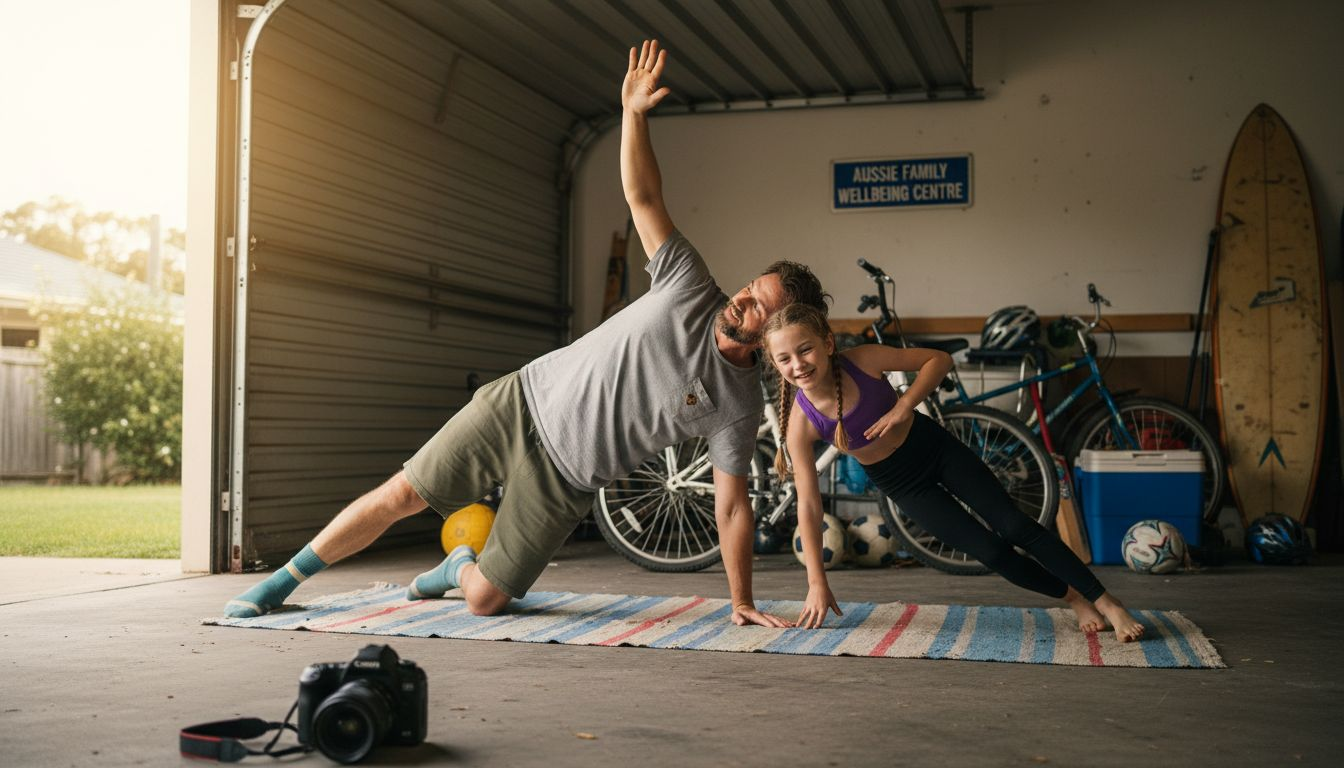
For active parents, maintaining muscular balance means more than just traditional strength training. It involves developing a comprehensive approach that includes flexibility, core stability, and functional movement patterns. By creating a robust musculoskeletal system, you’re essentially building a protective network that can adapt to the unpredictable physical demands of parenting and recreational activities.
Pro tip: Incorporate dynamic warm-ups and mobility exercises that target multiple muscle groups, focusing on movements that mimic your daily parenting activities to build functional, injury-resistant strength.
Muscle Imbalances and Common Injury Risks
Muscle imbalances represent a hidden threat for active parents, silently increasing injury vulnerability through subtle mechanical disruptions. Fitness research highlights that repetitive activities and uneven movement patterns can create significant musculoskeletal disparities that compromise overall physical performance and increase injury potential.
Understanding neuromechanical factors is crucial in identifying potential injury risks. Research from the University of Technology Sydney reveals that muscle asymmetry, altered force generation, and coordination deficits are key contributors to common injuries. These imbalances often emerge from daily parenting activities like carrying children on one side, repetitive household tasks, or uneven exercise routines that systematically overwork certain muscle groups while neglecting others.
Active parents must develop a holistic approach to maintaining muscular symmetry. This involves creating balanced strength training programs that address both primary muscle groups and stabilising muscles, ensuring equal development and reducing compensatory movement patterns that can lead to chronic injuries. By focusing on functional movements that engage multiple muscle groups simultaneously, parents can build more resilient and balanced physical foundations.
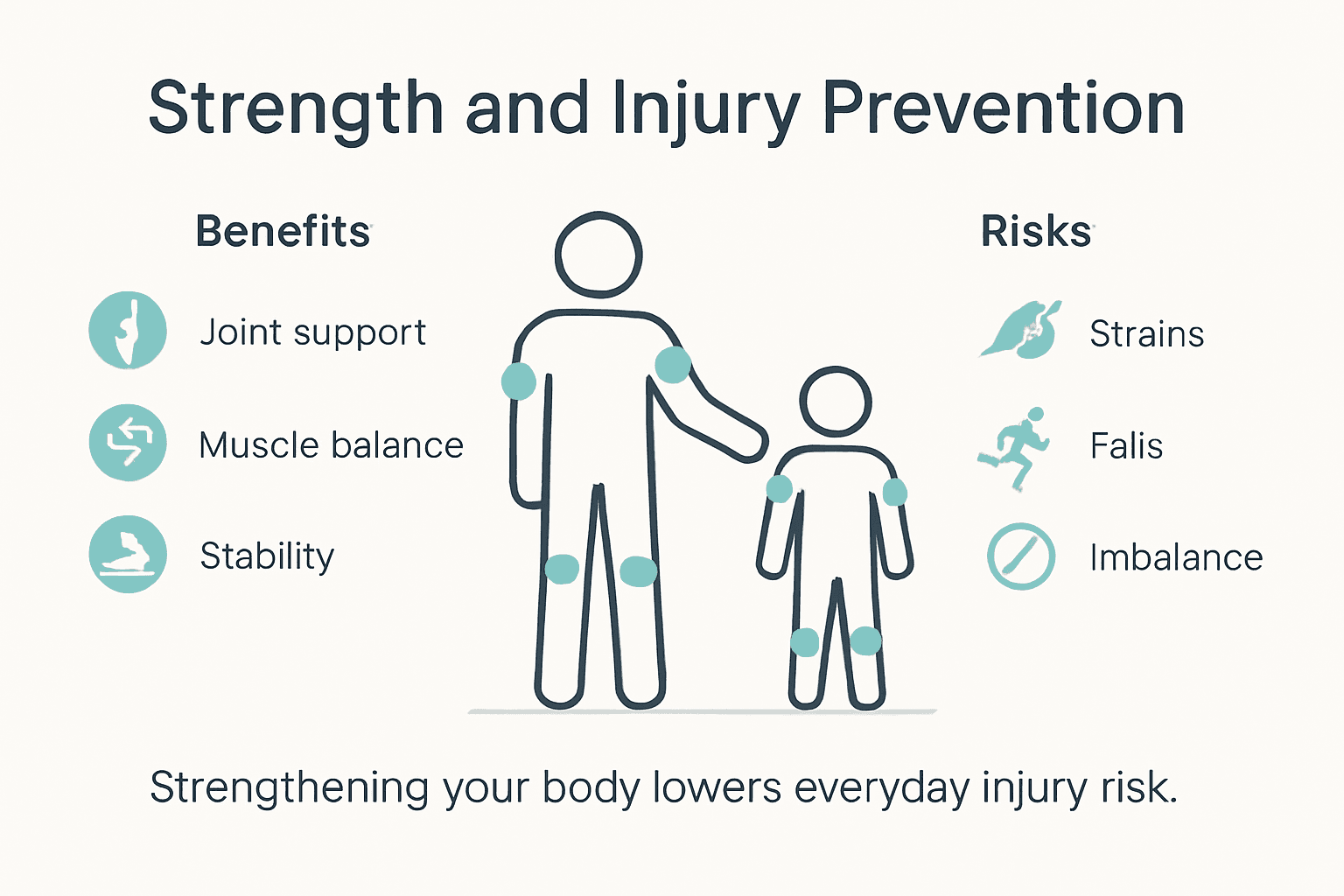
Here’s a quick comparison of common muscle imbalances, their causes, and prevention strategies:
Imbalance Type | Common Cause | Potential Injury | Prevention Strategy |
Upper-lower Body | Carrying children one-sided | Lower back pain | Alternate carrying sides |
Core-stability Deficit | Poor posture during play | Hip or shoulder strain | Incorporate core exercises |
Anterior-posterior | Repetitive household tasks | Knee pain | Balanced push-pull workouts |
Left-right Dominance | Uneven exercise routines | Chronic joint discomfort | Unilateral training focus |
Pro tip: Regularly perform unilateral exercises like single-leg squats or single-arm presses to identify and correct muscle imbalances before they become chronic issues.
Integrating Strength Training Into Family Life
Australian Institute of Health and Welfare research reveals a critical challenge for parents: only 4 in 10 adults complete recommended weekly muscle-strengthening activities. This statistic underscores the urgent need to transform strength training from a separate workout to an integrated family lifestyle approach that makes fitness accessible and enjoyable for everyone.
The Lifestyle-integrated Functional Exercise (LiFE) approach offers a revolutionary strategy for busy parents. University of Sydney research demonstrates that strength training can be seamlessly woven into daily household activities, turning routine tasks into opportunities for building physical resilience. This might involve incorporating squats while loading the dishwasher, lunges during playtime, or using children as resistance weights during safe, playful interactions.
Successful family strength integration requires creativity and consistency. Parents can design interactive exercise games that challenge multiple family members simultaneously, such as living room obstacle courses, dance fitness sessions, or competitive bodyweight challenge circuits. By making strength training a shared, enjoyable experience, families can simultaneously improve fitness, build stronger connections, and model healthy movement habits for children.
Pro tip: Create a weekly family movement challenge that rewards participation and creativity, transforming strength training from a chore into an exciting shared adventure.
Building Kids’ Strength Safely at Home
NSW Health’s Kids Health Hub guidelines provide critical insights into developing safe, age-appropriate strength training for children. Unlike adult fitness approaches, children’s strength development requires careful, supervised strategies that make exercise engaging, fun, and developmentally appropriate while minimising injury risks.
Parents should focus on bodyweight exercises and functional movement patterns that naturally build strength without introducing heavy resistance. This might include playful activities like animal walks, obstacle courses, climbing, crawling games, and interactive challenges that engage multiple muscle groups simultaneously. The key is creating an environment where children view strength training as an exciting game rather than a structured workout, ensuring they remain motivated and enjoy the process of building physical capability.
Progressively introducing strength concepts involves understanding each child’s individual developmental stage. Younger children can benefit from movement-based activities that develop coordination and fundamental movement skills, while older children can start incorporating more structured resistance exercises using light weights, resistance bands, or carefully supervised techniques. Maintaining proper form, providing constant positive feedback, and ensuring exercises remain enjoyable are crucial elements of building sustainable strength training habits.
Below is a summary of age-appropriate strength activities for children at different development stages:
Age Group | Safe Strength Activity | Supervision Needed |
Under 7 years | Animal walks & crawling games | Constant adult supervision |
7–12 years | Obstacle courses, climbing | Encouraged and guided |
13+ years | Light resistance band work | Technique oversight |
Pro tip: Design weekly family movement challenges that transform strength training into a playful, collaborative experience, using creative games that naturally develop children’s physical capabilities.
Strengthen Your Body and Protect Your Family Life Today
Active parents face the challenge of balancing daily demands while staying injury free and physically resilient. This article highlights key pain points like muscle imbalances, joint stability, and integrating strength training into busy family routines. At North Fremantle Chiropractic, we understand these issues and specialise in hands-on, movement-based care that goes beyond just relieving pain. Our approach combines expert chiropractic treatments with practical strength and conditioning principles designed specifically for parents wanting to build durable, injury-resistant bodies.
Take control of your health with personalised support that targets the very challenges discussed in the article. Whether you are struggling with muscle imbalances or need guidance on functional strength training, our team will help you move, feel, and perform better every day. Visit North Fremantle Chiropractic and discover how our elite care equips you to confidently handle parenting life without pain holding you back. Ready for real progress that fits your lifestyle? Start your journey now and build resilience that lasts.
Frequently Asked Questions
What is the importance of strength training for injury prevention in active parents?
Strength training enhances muscle, bone, and joint performance, reducing the risk of both acute and overuse injuries by improving resilience, joint stability, and overall movement efficiency.
How can muscle imbalances lead to injuries for active parents?
Muscle imbalances can create mechanical disruptions in the body, increasing vulnerability to injuries. Repetitive actions and uneven movement patterns often lead to these imbalances, making it essential to maintain muscular symmetry and balance during activities.
What are some effective strength training exercises for busy parents?
Bodyweight exercises such as squats, lunges, and functional core work are great starting points. Incorporating these movements into daily routines, like while loading dishes or during playtime, can effectively build strength without requiring extra time.
How can parents safely include strength training for their children at home?
Parents should focus on age-appropriate, bodyweight exercises that are fun and engaging, such as animal walks or obstacle courses for younger kids, while older children can safely start with light weights under supervision to build strength effectively.
Recommended