
Role of Pain Education – Empowering Active Lifestyles
- Dr Nathan Bridger

- 4 days ago
- 7 min read

Most Australians believe pain always signals something seriously wrong, yet research shows that understanding pain can dramatically change recovery outcomes. With more than one in five Australian adults living with persistent pain, knowledge about how pain really works is crucial. Whether you are recovering from injury or aiming for peak performance, this guide challenges myths and offers clear insights to help every Australian interpret and manage physical discomfort more effectively.
Table of Contents
Key Takeaways
Point | Details |
Understanding Pain | Pain education empowers individuals by clarifying that pain is a complex experience influenced by physiological, psychological, and emotional factors. |
Proactive Health Management | Engaging with pain education promotes resilience and proactive management of physical experiences, enhancing overall well-being. |
Reducing Pain-Related Fear | Transforming perceptions of pain enables individuals to reduce fear and limitations, fostering a more active and fulfilling lifestyle. |
Avoiding Common Mistakes | Recognising and avoiding ineffective pain management strategies is crucial in developing personalised and holistic approaches to pain relief. |
Pain Education Defined and Common Misconceptions
Pain education represents a critical approach to understanding how our bodies experience and process physical discomfort, challenging long-held beliefs that often prevent effective management and recovery. At its core, pain education aims to demystify complex physiological responses and empower individuals to take proactive control of their health.
Understanding pain requires recognising that it’s far more than a simple physical sensation. Adolescent pain experiences and beliefs highlight significant knowledge gaps that can dramatically impact how people perceive and respond to physical discomfort. These misconceptions often stem from limited understanding of how pain signals work, leading many to develop unhelpful coping strategies that might actually prolong recovery.
Common pain misconceptions include:
Believing pain always indicates severe damage
Thinking rest is the best response to persistent pain
Assuming pain is purely a physical experience without psychological components
Treating pain as a standalone symptom rather than a complex neurological signal
Research among allied health professionals reveals systemic knowledge gaps about pain mechanisms, underscoring the urgent need for comprehensive pain education. By reframing pain as a protective neural response rather than a direct indicator of tissue damage, individuals can develop more nuanced, effective approaches to managing their physical experiences.
Effective pain education transforms how we understand our body’s signals. It’s not about eliminating pain completely, but learning to interpret and respond to these signals intelligently. This approach empowers individuals to move beyond fear and limitation, towards resilience and proactive health management.
Key Benefits for Active Australians
Pain education transforms how active Australians understand and manage their physical experiences, offering powerful strategies for maintaining peak performance and overall wellness. By challenging traditional misconceptions about pain, individuals can develop more resilient and proactive approaches to their health and movement.
Exercise plays a critical role in managing chronic pain, particularly for those committed to maintaining an active lifestyle. Understanding pain mechanisms enables athletes, weekend warriors, and fitness enthusiasts to make informed decisions about their training, recovery, and long-term physical well-being.
Key benefits of pain education for active Australians include:
Enhanced understanding of body’s pain signals
Improved injury prevention strategies
More effective recovery and rehabilitation approaches
Greater confidence in physical performance
Reduced fear associated with movement and exercise
Support resources for individuals managing chronic pain highlight the transformative potential of comprehensive pain education. By reframing pain as a complex neurological experience rather than a simple warning signal, active individuals can develop more nuanced strategies for managing physical challenges.
Ultimately, pain education empowers active Australians to move beyond limitations. 7 Essential Chiropractic Self-Care Tips for Active Lifestyles can provide additional insights into maintaining optimal physical performance while understanding and respecting the body’s pain signals.
How Pain Education Reduces Fear and Limitation
Pain fear represents a significant barrier that prevents many individuals from maintaining active, fulfilling lifestyles. By transforming how people understand and interpret pain signals, pain education becomes a powerful tool for breaking down psychological barriers that limit movement and personal potential.
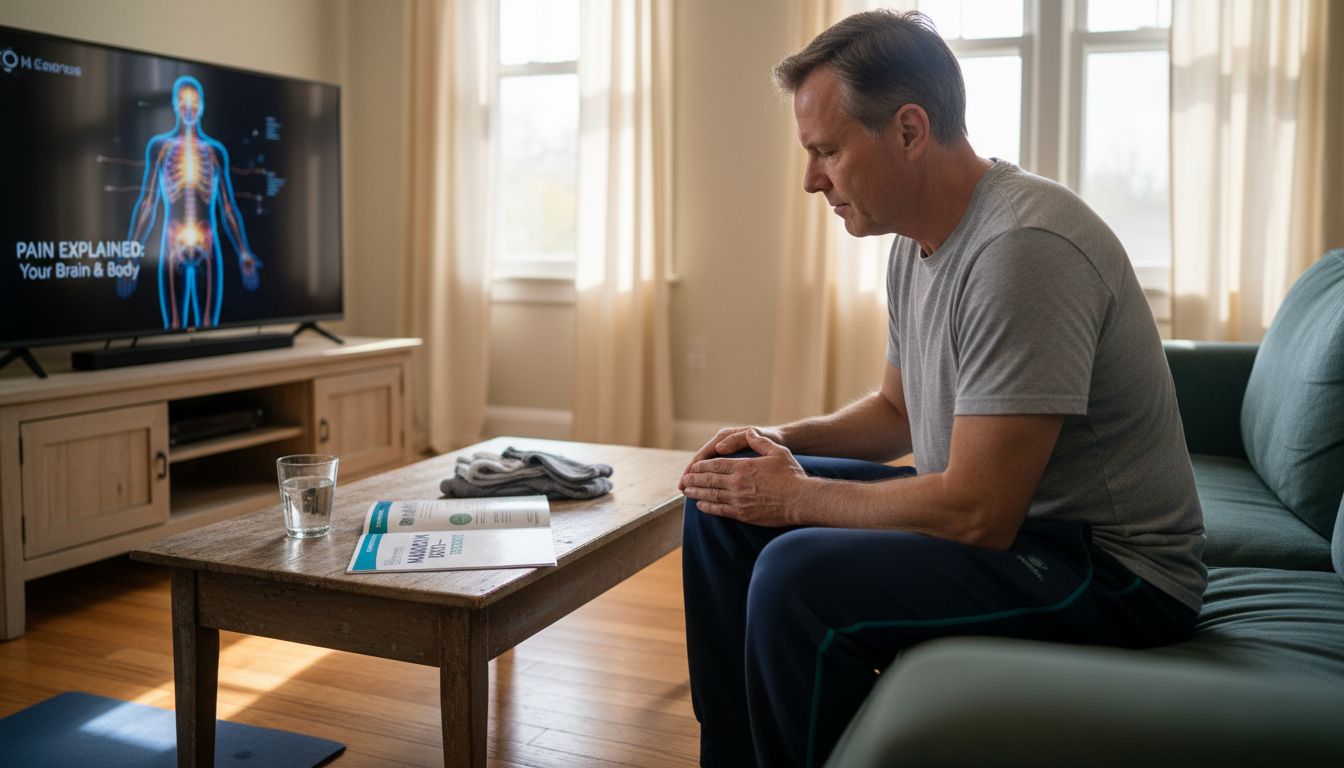
Workplace pain education programs demonstrate how understanding can systematically reduce fear, providing individuals with the confidence to approach physical challenges more effectively. When people recognise pain as a complex neurological experience rather than a threat, they develop more adaptive and resilient responses to physical discomfort.
Key strategies for reducing pain-related fear include:
Demystifying pain mechanisms and neural processes
Recognising pain as a protective, not punitive, signal
Developing evidence-based coping mechanisms
Understanding the psychological components of pain perception
Learning practical techniques for managing pain sensations
The psychological impact of pain education extends far beyond simple information transfer. By reframing pain as a nuanced, manageable experience, individuals can rebuild their confidence and gradually expand their physical capabilities. This approach transforms pain from a limiting factor into a navigable aspect of human experience, empowering people to pursue their physical goals with greater understanding and less anxiety.
7 Essential Chiropractic Self-Care Tips for Active Lifestyles can provide additional guidance for those seeking practical strategies to manage pain and overcome physical limitations.
Integrating Pain Science in Movement and Rehab
Pain science represents a revolutionary approach to understanding human movement, transforming traditional rehabilitation strategies by emphasising the complex neurological and psychological components of physical recovery. This integrated methodology moves beyond simplistic biomechanical treatments, recognising pain as a multifaceted experience that encompasses neural, emotional, and physiological dimensions.
Targeted rehabilitation programs demonstrate remarkable outcomes when pain science principles are systematically integrated, showing how precise exercise interventions can dramatically improve movement patterns and reduce discomfort. By understanding pain as a protective neural response rather than a purely structural issue, practitioners can design more nuanced and effective rehabilitation strategies.
Key principles of pain science integration include:
Recognising pain as a complex neurological experience
Developing individualised movement strategies
Addressing psychological barriers to recovery
Emphasising gradual, progressive load management
Promoting neural retraining and movement confidence
Wellness programs for diverse populations showcase the adaptability of pain science approaches, proving that these principles can be effectively applied across different age groups and physical conditions. The goal is not merely symptom management, but comprehensive restoration of functional movement and quality of life.
How Chiropractic Improves Mobility: Complete Guide offers additional insights into practical applications of pain science principles in movement rehabilitation, providing a holistic approach to understanding and managing physical discomfort.
Mistakes to Avoid in Pain Management
Pain management demands a sophisticated approach that goes beyond simplistic treatment models. Many individuals inadvertently perpetuate their pain by adopting ineffective or potentially harmful strategies that compromise their long-term physical and psychological well-being.
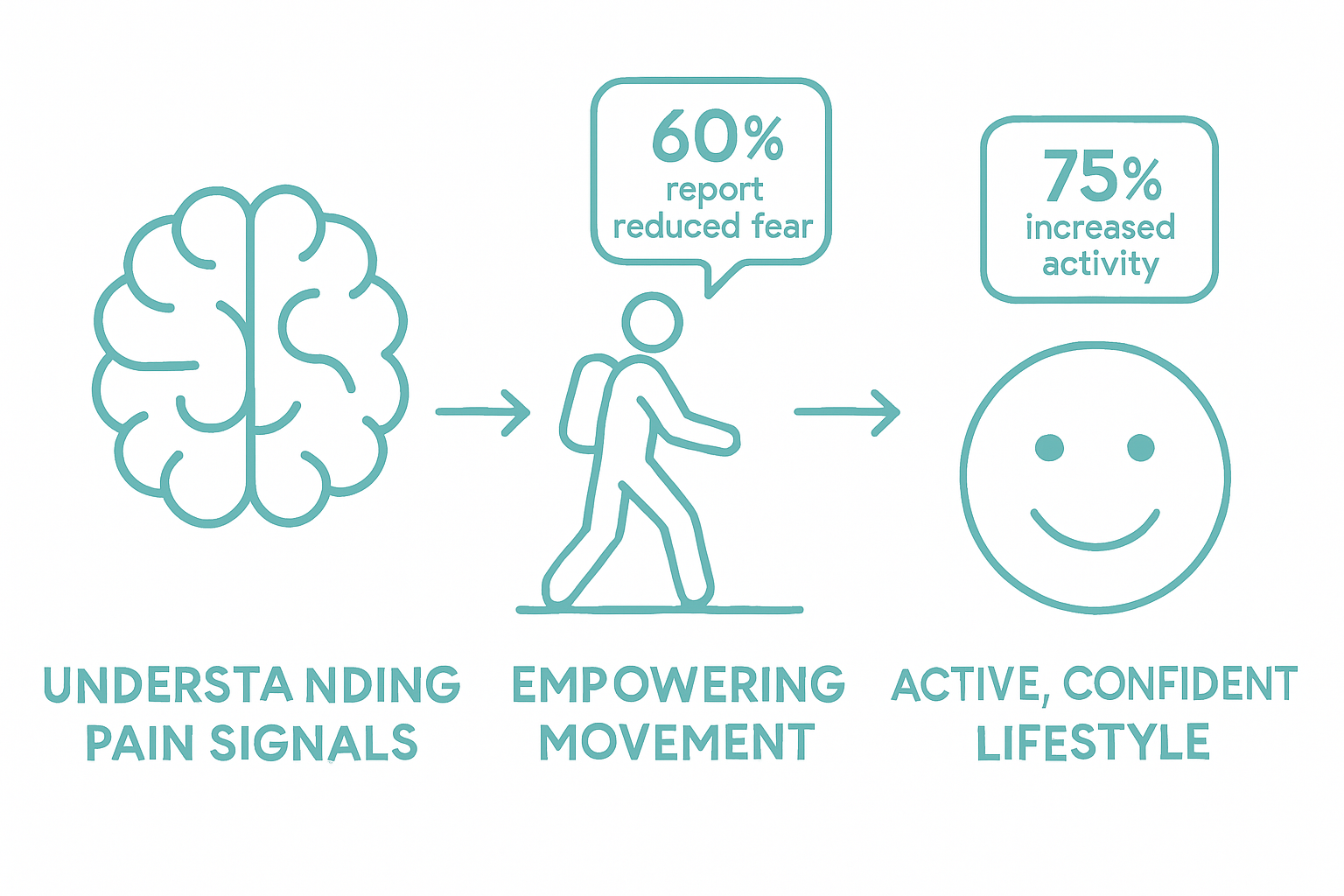
National strategic action plans highlight critical mistakes in pain management approaches, revealing systematic errors that can significantly impede recovery. Understanding these common pitfalls is crucial for developing more effective, nuanced pain management strategies that address the complex neurological and emotional dimensions of physical discomfort.
Common mistakes in pain management include:
Adopting complete rest and immobilisation
Relying solely on medication for pain relief
Ignoring the psychological components of pain
Avoiding movement and physical activity
Catastrophising pain experiences
Failing to develop personalised rehabilitation strategies
Neglecting holistic approaches to pain understanding
Evidence-based pain education programs demonstrate the importance of systematic, intelligent approaches, emphasising that effective pain management requires a comprehensive understanding of neural processes and individual experiences. By recognising pain as a complex, adaptive response rather than a simple mechanical issue, individuals can develop more resilient and effective coping mechanisms.
7 Essential Chiropractic Self-Care Tips for Active Lifestyles provides additional guidance for those seeking practical, proactive strategies to manage and understand their pain experiences more effectively.
Take Control of Your Pain and Thrive with Expert Support
The journey through pain education reveals that pain is not a simple warning but a complex neurological signal shaping your movement and mindset. If you find yourself held back by fear of pain or unsure how to manage discomfort while staying active, you are not alone. Understanding and applying pain science is key for building resilience and confidently moving beyond limitations. At North Fremantle Chiropractic, we specialise in hands-on, movement-based care that aligns perfectly with the powerful principles of pain education discussed here.
Discover how our elite sports-focused chiropractic combined with real-world strength and conditioning can transform your pain experience into empowered action. Whether you are juggling family life, weekend sport, or chasing peak performance, we help you shift from fear to freedom. Visit North Fremantle Chiropractic today to start your path towards better movement and lasting results. Explore 7 Essential Chiropractic Self-Care Tips for Active Lifestyles and learn how How Chiropractic Improves Mobility: Complete Guide supports your recovery with smart, science-backed methods. Take the step now to move smarter, feel stronger, and perform better every day.
Frequently Asked Questions
What is pain education and why is it important?
Pain education is a comprehensive approach that helps individuals understand the complex nature of pain, including its physiological, psychological, and emotional components. It’s essential because it empowers people to manage their pain more effectively and promotes a proactive attitude towards health and recovery.
How can active Australians benefit from pain education?
Active Australians can gain a better understanding of their body’s pain signals, which helps improve injury prevention strategies, recovery, rehabilitation approaches, and overall confidence in their physical performance. This knowledge reduces fear associated with movement and enables individuals to maintain an active lifestyle.
What are common misconceptions about pain?
Common misconceptions include believing that pain always indicates severe damage, thinking that rest is the best response to pain, and assuming that pain is solely a physical experience. Such beliefs can lead to unhelpful coping strategies that may prolong recovery.
How does pain education help in reducing fear related to physical activity?
Pain education helps transform the perception of pain from a threat into a manageable experience. It teaches individuals to recognise pain as a protective signal rather than a punitive one, enabling them to approach physical challenges with more confidence and less anxiety.
Recommended
Comments