
Role of Lifestyle in Back Pain: Complete Guide
- Dr Nathan Bridger

- Dec 1, 2025
- 6 min read

More than sixteen percent of australian adults experience chronic back pain, making it one of the most common health complaints across the country. This issue often goes beyond occasional discomfort and can disrupt daily routines, sleep, and even long-term wellbeing. Knowing how lifestyle choices influence back health helps people discover realistic ways to manage pain and improve quality of life.
Table of Contents
Key Takeaways
Point | Details |
Lifestyle Factors Impacting Back Pain | Sedentary behaviour, poor posture, and high stress levels significantly increase the risk of developing chronic back issues. |
Importance of Movement and Exercise | Regular exercise enhances core stability and flexibility, which are vital for preventing back pain. |
Work Habits and Ergonomics | Maintaining good posture and taking regular breaks are essential in reducing work-related strain on the back. |
Nutrition and Recovery | A balanced diet, quality sleep, and stress management are crucial for maintaining spinal health and preventing back pain. |
Defining Back Pain And Lifestyle Factors
Back pain is far more complex than simply experiencing discomfort in your spine. According to Better Health, it can occur anywhere along the spine and is frequently influenced by lifestyle factors that extend well beyond a single physical incident.
The primary lifestyle elements contributing to back pain include sedentary behaviour, poor posture, stress management, and physical conditioning. South Western Sydney Local Health District highlights that being overweight, experiencing prolonged sitting, and maintaining inadequate physical activity significantly increase an individual’s risk of developing chronic back problems.
Key lifestyle factors that directly impact back health include:
Insufficient physical exercise
Prolonged sedentary periods
Excess body weight
Poor sleep habits
High stress levels
Inconsistent physical movement patterns
Understanding these interconnected lifestyle components allows individuals to take proactive steps towards preventing and managing back pain.
Back Pain Prevention Steps for Active Lifestyles can provide additional insights into creating a holistic approach to spinal health and wellness.
How Movement And Exercise Affect Backs
Movement and exercise play a transformative role in maintaining spinal health and preventing back pain. Healthy Male emphasises that regular exercise not only strengthens back muscles but also improves overall posture, significantly reducing the likelihood of developing lower back issues.
Specific types of physical activities can have profound impacts on back wellness. Targeted exercises like swimming, walking, and Pilates are particularly beneficial, as they enhance core stability, increase flexibility, and promote muscular balance. Royal Australian College of General Practitioners recommends a comprehensive approach that integrates strengthening, flexibility, and aerobic activities to manage and prevent chronic back pain.
Key exercise strategies for back health include:
Gradual activity progression
Focus on core muscle strengthening
Incorporating low-impact aerobic activities
Maintaining consistent movement patterns
Prioritising proper form and technique
Listening to your body’s signals
Choosing enjoyable and sustainable exercise routines is crucial. By understanding how movement influences spinal health, individuals can develop proactive strategies that not only prevent back pain but also enhance overall physical resilience. How to Manage Back Pain Naturally for Lifelong Strength offers additional guidance on creating a holistic approach to maintaining a healthy, pain-free back.
Work Habits, Posture, And Daily Strain
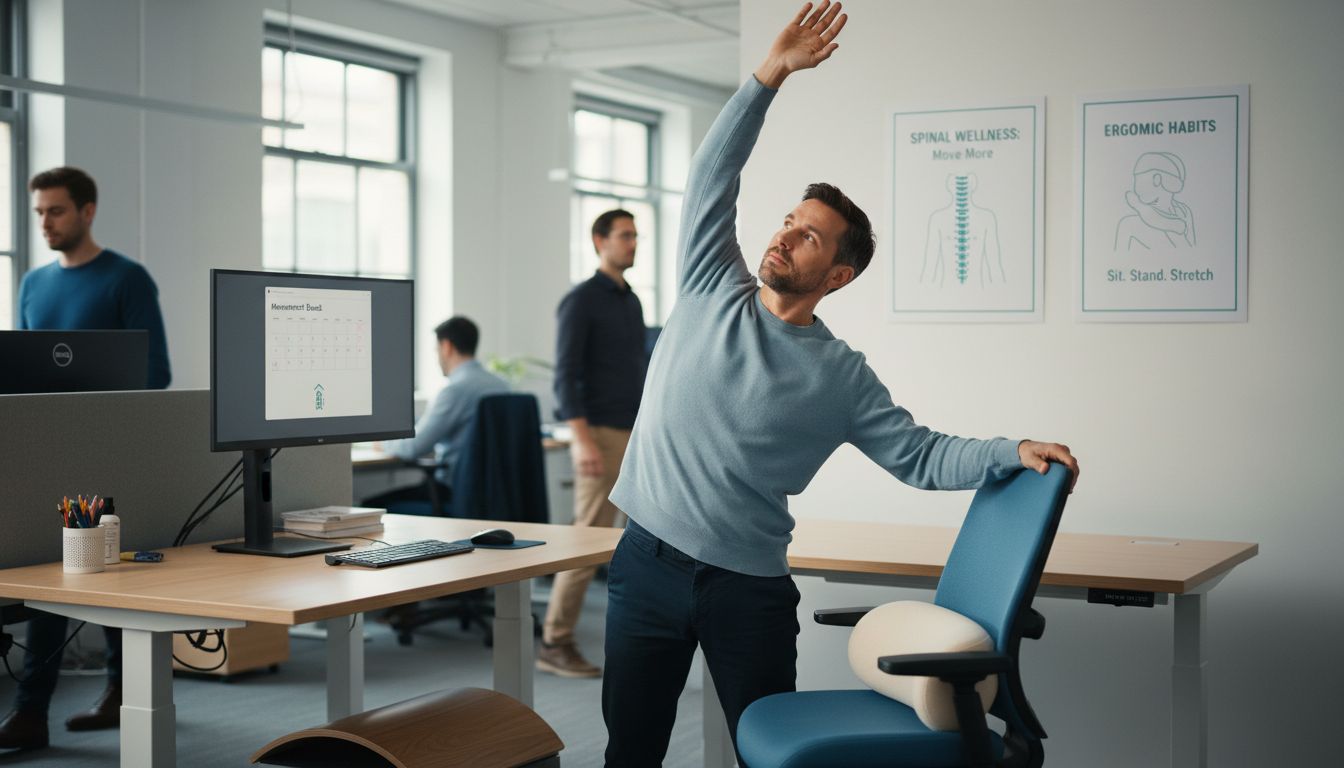
Work-related strain represents a significant contributor to back pain, particularly in modern sedentary work environments. Healthdirect emphasises the critical importance of maintaining good posture and staying active to prevent back injuries, highlighting how prolonged sitting can dramatically impact spinal health.
Professional settings often expose individuals to repetitive movements and extended periods of static positioning that can create substantial muscular tension. Arthritis Australia recommends proactive strategies to protect the back, including regular physical activities like walking, swimming, and cycling that strengthen muscular support and improve overall postural alignment.
Key workplace strategies to minimise back strain include:
Configuring ergonomic workstations
Taking regular movement breaks
Using standing desks or adjustable chairs
Practicing proper lifting techniques
Maintaining neutral spine positions
Implementing stretching routines during work hours
Understanding and implementing these principles can transform daily work habits from potential sources of back strain into opportunities for spinal health maintenance.
Why Back Pain Happens: Complete Guide for 2025 provides additional insights into developing comprehensive back care strategies that extend beyond workplace considerations.
Nutrition, Recovery, And Sleep Influence
Holistic back health extends far beyond physical movement, encompassing critical lifestyle factors like nutrition, sleep, and recovery. Better Health highlights the profound connection between maintaining a healthy weight and reducing strain on the back, emphasising that nutritional choices play a pivotal role in spinal wellness.
Weight management and stress reduction are fundamental to preventing back pain. South Western Sydney Local Health District recommends lifestyle modifications that integrate balanced nutrition, regular exercise, and strategic weight management to minimise back strain. Proper sleep becomes equally crucial, as it allows muscular recovery, reduces inflammation, and supports overall tissue healing.
Key nutritional and recovery strategies for back health include:
Maintaining a balanced, anti-inflammatory diet
Achieving and sustaining a healthy body weight
Prioritising consistent, quality sleep patterns
Managing stress through relaxation techniques
Staying adequately hydrated
Consuming nutrients that support muscular and joint health
Understanding the interconnected nature of nutrition, recovery, and spinal health empowers individuals to take proactive steps in managing back pain. Back Pain Prevention Steps for Active Lifestyles offers additional insights into creating comprehensive approaches to long-term back wellness.
Risks, Mistakes, And Prevention Strategies
Back pain prevention requires a proactive and holistic approach that addresses multiple lifestyle factors. Healthdirect emphasises the critical importance of regular exercise, maintaining a healthy weight, and practicing good posture to minimise potential risks associated with spinal strain and injury.
Common mistakes that increase back pain vulnerability include prolonged sedentary behaviour, improper lifting techniques, and neglecting core muscle strengthening. NPS MedicineWise recommends comprehensive education and patient empowerment, highlighting that staying active and receiving appropriate guidance on ergonomics can significantly prevent chronic pain and potential long-term disability.
Key prevention strategies to mitigate back pain risks include:
Developing consistent exercise routines
Implementing proper lifting mechanics
Creating ergonomic work and home environments
Maintaining a healthy body weight
Practicing regular stretching and mobility exercises
Learning stress management techniques
Seeking early professional intervention when discomfort emerges
Understanding these prevention strategies transforms back pain from an inevitable condition to a manageable aspect of personal health.
INFOGRAPHIC:infographic_content] [Why Back Pain Happens: Complete Guide for 2025 provides deeper insights into developing comprehensive approaches to spinal wellness and proactive care.
Take Control of Your Back Pain with Expert Support and Movement-Based Care
Back pain can disrupt your life far beyond physical discomfort. When lifestyle factors like poor posture, prolonged sitting, and inadequate exercise influence your spine health it is crucial to address these challenges with a personalised plan that builds resilience rather than just offering temporary relief. At North Fremantle Chiropractic we focus on hands-on chiropractic care combined with real-world strength and conditioning principles to help you not only reduce pain but also prevent future setbacks.
Don’t let back pain hold you back from doing what you love anymore. Discover how our tailored approach helps parents, weekend warriors, and athletes improve posture, increase core strength, and maintain an active lifestyle. Take the first step towards a stronger pain-free back by visiting North Fremantle Chiropractic. Learn practical strategies at Back Pain Prevention Steps for Active Lifestyles and deepen your understanding with our How to Manage Back Pain Naturally for Lifelong Strength. Embrace a proactive approach now and transform your spinal health for good.
Frequently Asked Questions
How can my lifestyle contribute to back pain?
Lifestyle factors such as sedentary behaviour, poor posture, excess body weight, high stress levels, and insufficient physical exercise can significantly contribute to back pain. Addressing these aspects can help manage and prevent discomfort.
What types of exercises are recommended to prevent back pain?
Targeted exercises like swimming, walking, and Pilates are particularly beneficial for strengthening the core, improving flexibility, and promoting muscular balance, which helps maintain spinal health and prevent back pain.
What role does nutrition play in back health?
Maintaining a balanced, anti-inflammatory diet is crucial for back health, as it supports weight management and reduces strain on the spine. Proper nutrition also aids in muscle and joint health, which is essential for overall spinal wellness.
How can I improve my posture at work to prevent back pain?
Implementing ergonomic workstations, taking regular movement breaks, and practicing proper lifting techniques are key strategies for improving posture at work and minimising back strain.
Recommended
Comments