
How to Rehab Minor Injuries Naturally for Lasting Results
- Dr Nathan Bridger
- Dec 9, 2025
- 7 min read
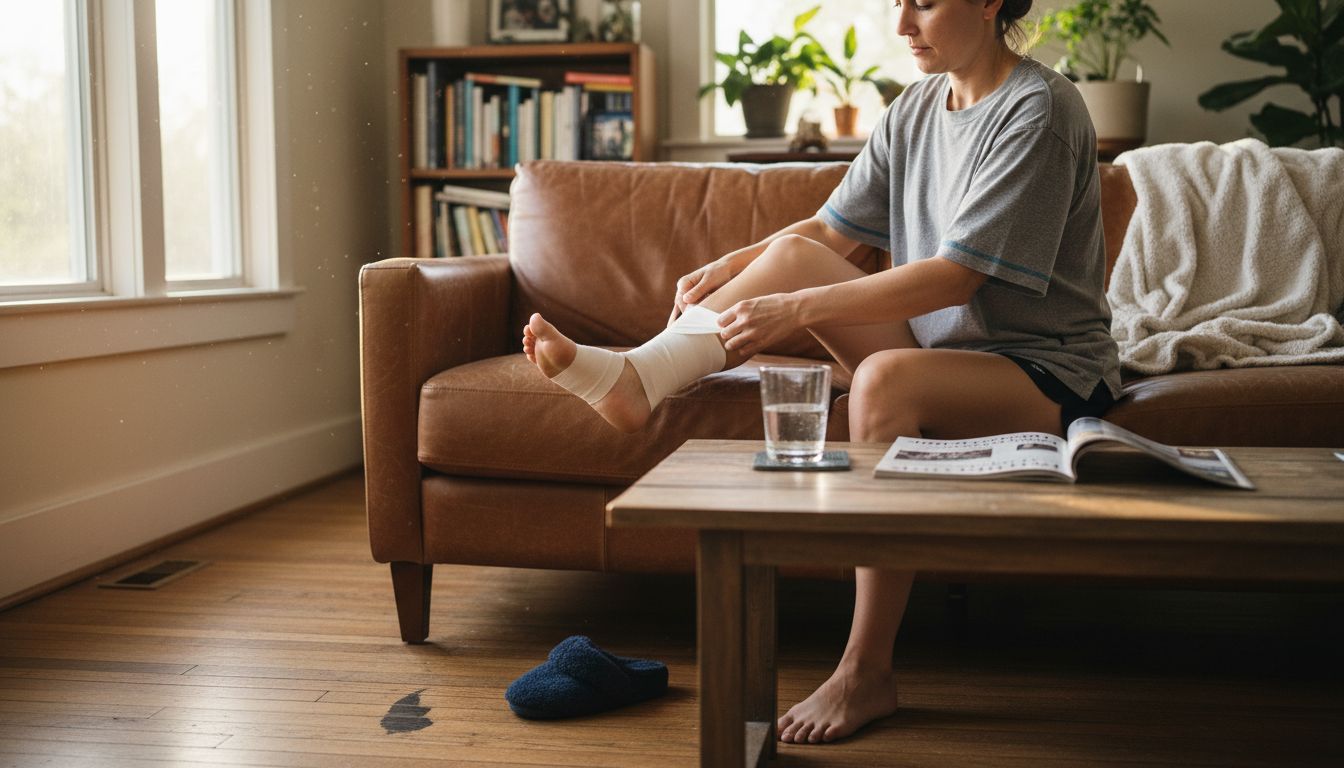
Over one million Australian adults report a soft tissue injury each year, yet most people are unsure how to respond in those critical first minutes. Whether you are an athlete or simply lead an active lifestyle, understanding injury management can make a major difference in recovery. This step by step guide helps you recognise what your body needs right after injury and shows you how to recover safely and confidently.
Table of Contents
Quick Summary
Key Insight | Explanation |
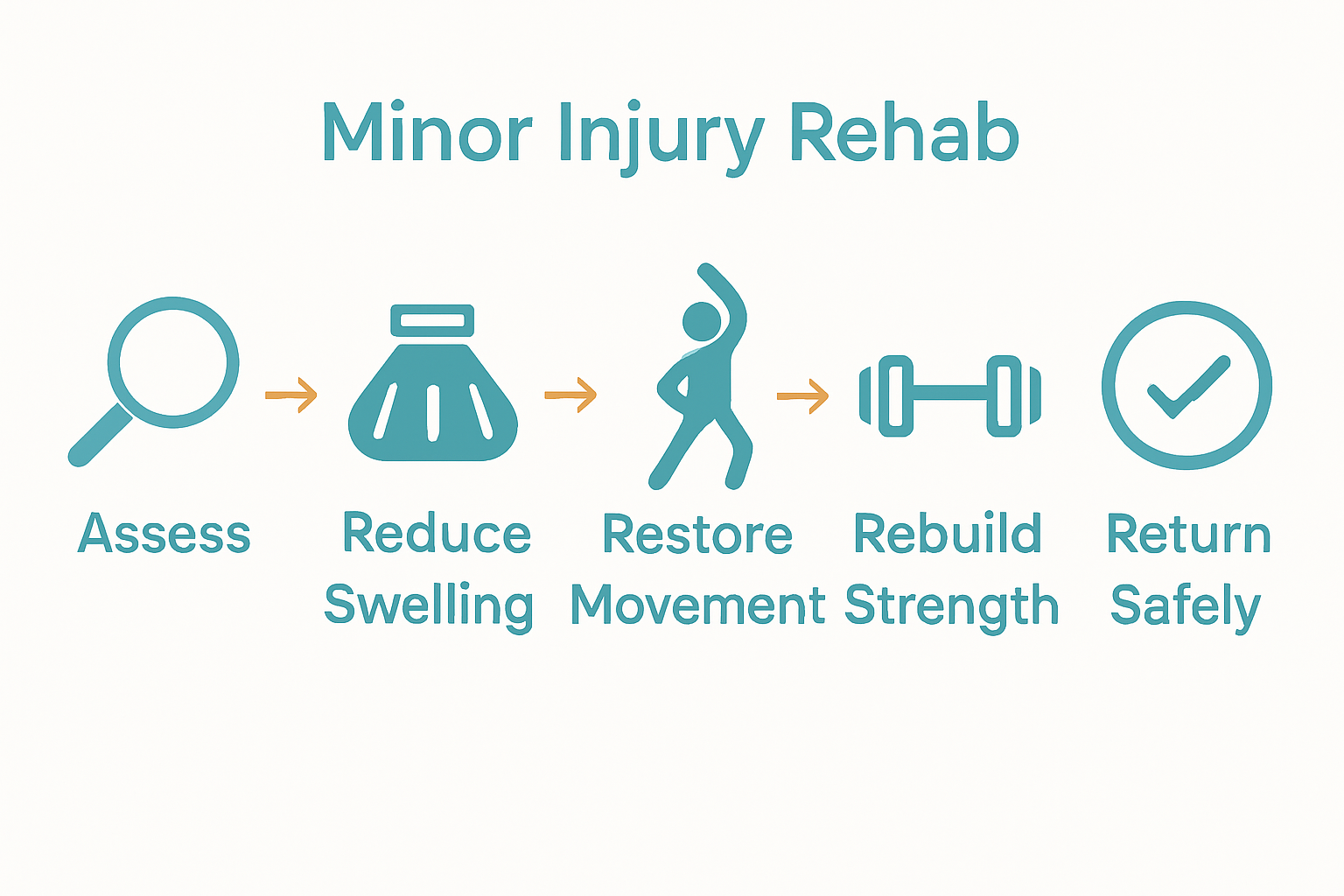
1. Identify Injury Severity | Assess pain, swelling, and movement to determine if home care or professional help is needed. |
2. Apply RICE Method Immediately | Use Rest, Ice, Compression, and Elevation within the first 48 hours to manage swelling and pain effectively. |
3. Introduce Gentle Movement Gradually | As healing progresses, incorporate controlled movements to maintain mobility and prevent stiffness. |
4. Focus on Strength Building | Gradually increase resistance with targeted exercises to restore strength without risking further injury. |
5. Monitor Recovery and Activities | Keep a recovery journal and tailor your return to activity based on pain and functional assessments. |
Phase 1: Assess the Extent of Your Injury
Identifying the severity of a soft tissue injury is crucial for determining the right treatment strategy and preventing further damage. Early and accurate assessment helps you understand whether you can manage the injury at home or need professional medical intervention.
To thoroughly assess your injury, start by carefully examining the affected area for key indicators of tissue damage. Look for classic signs such as pain, swelling, bruising, and reduced movement. Gently press around the injured region to gauge pain levels and check your range of motion. Note the intensity and location of discomfort, which will help you understand the potential severity.
If you experience severe pain that prevents weight bearing, significant swelling, or inability to move the joint, seek professional medical attention immediately. For less intense injuries, applying the RICE method rest, ice, compression, and elevation can provide initial relief and support the healing process. Remember that professional assessment from a chiropractor or sports medicine expert can provide definitive insights into your injury’s true extent and optimal recovery pathway.
Phase 2: Reduce Swelling and Manage Pain Immediately
When dealing with a soft tissue injury, your immediate response can significantly impact recovery time and prevent further damage. Cold therapy is a critical first step to control inflammation and minimise pain in the first 48 hours after an injury occurs.
Follow the classic RICE method systematically to manage your injury effectively. Rest the affected area completely to prevent additional strain. Apply an ice pack wrapped in a thin towel for 15 to 20 minutes every two hours, which helps constrict blood vessels and reduce swelling. Use a compression bandage to provide support and limit additional inflammation while keeping the injured area elevated above your heart level to minimise blood flow and further swelling.
Be cautious not to apply ice directly to your skin and avoid moving the injured area too aggressively. If pain persists or intensifies, or you experience significant loss of function, seek professional medical assessment. A sports physiotherapist or chiropractor can provide targeted treatment and ensure you’re on the right path to complete recovery.
Phase 3: Restore Gentle Movement and Mobility
As your soft tissue injury begins to heal, introducing controlled movement becomes crucial for preventing long term stiffness and supporting optimal recovery. Gradual rehabilitation requires a strategic approach that respects your body’s natural healing process.
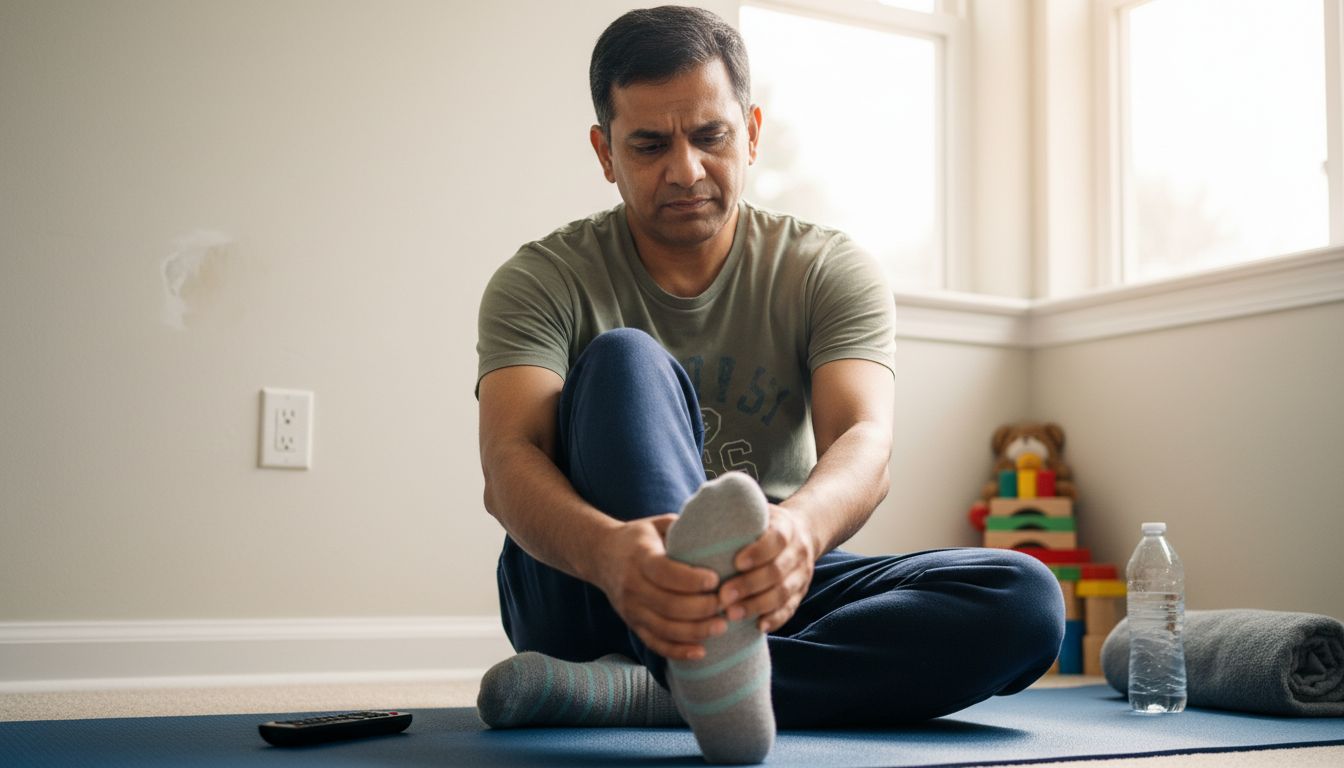
Physiotherapy recommended exercises should focus on gentle range of motion activities that incrementally increase flexibility without causing additional strain. Start with light stretching and low impact movements that do not trigger pain. Begin by moving the injured area through its natural range of motion using slow deliberate techniques designed to maintain joint mobility and prevent muscle atrophy. Remember to listen to your body and stop immediately if you experience sharp or increasing pain.
Consult a professional sports chiropractor or physiotherapist who can design a personalised rehabilitation program tailored to your specific injury. They can provide expert guidance on progression, help you understand safe movement patterns, and ensure you’re rebuilding strength and mobility without risking further damage. Your goal is steady recovery that returns you to full function with confidence and minimal risk of re-injury.
Phase 4: Rebuild Strength and Functional Control
Re-establishing muscle strength and functional movement is a critical phase in your injury recovery journey. Progressive strengthening exercises are fundamental to ensuring your body regains its pre-injury capabilities without risking further damage.
Developing a targeted rehabilitation program requires a systematic approach that gradually increases resistance and complexity. Begin with bodyweight exercises that engage the injured area without overwhelming it. Focus on controlled movements that improve stability, proprioception, and muscle recruitment. Start with simple exercises like gentle isometric holds, then progress to dynamic movements that challenge your strength and coordination.
Pay close attention to your body’s response during these exercises. Any sharp pain or significant discomfort signals that you need to reduce intensity or consult a professional. A sports physiotherapist or chiropractor can design a personalised program that ensures safe progression, addresses muscle imbalances, and helps you return to your previous performance levels with confidence and resilience.
Phase 5: Monitor Progress and Return to Activity Safely
Recovering from a soft tissue injury requires patience, strategic monitoring, and a methodical approach to resuming your regular activities. Regular progress tracking becomes essential in preventing potential re-injury and ensuring your body truly heals.
Gradual return to activity should be guided by functional assessments and pain management rather than arbitrary timelines. Keep a detailed recovery journal documenting your pain levels, range of motion, and ability to perform specific movements. Start by introducing low intensity activities that mirror your sport or regular exercise, progressively increasing complexity and duration as your body demonstrates stability and strength.
Be vigilant about your body’s signals during this phase. Mild discomfort might be acceptable, but sharp or persistent pain indicates you need to scale back or seek professional guidance. A sports chiropractor or physiotherapist can provide objective assessments, help you understand your body’s readiness, and design a personalised return to activity plan that minimises risk and maximises your potential for full recovery.
Take Control of Your Injury Recovery with Expert Support
Recovering from minor injuries naturally requires more than just rest and patience. The challenge lies in correctly assessing your injury, managing pain effectively, and rebuilding strength without risking setbacks. If you are facing swelling, reduced movement, or worry about returning to activity safely, you are not alone. The article highlights the importance of hands-on rehabilitation guided by movement-based care that respects your body’s healing phases.
At North Fremantle Chiropractic, we help legends of all ages move, feel, and perform better through elite sports-focused chiropractic care combined with real-world strength and conditioning principles. Our team specialises in assessing soft tissue injuries, reducing pain, restoring mobility, and building lasting resilience so you can confidently return to the activities you love. Whether you are a weekend warrior or a high-performance athlete, our personalised approach offers more than just fixes – we empower you to rebuild and thrive.

Start your recovery journey today by visiting North Fremantle Chiropractic and discover how our experts can guide you through every rehab phase discussed in the article. Learn about our movement-based strategies for healing and explore personalised programs designed to fit your lifestyle. Don’t wait for pain to hold you back – take the step towards lasting results and get back to doing what you love with confidence and support.
Frequently Asked Questions
How can I assess the severity of my minor injury?
To assess the severity of your minor injury, examine the affected area for signs like pain, swelling, and bruising. Carefully check your range of motion and note any discomfort; if you can’t bear weight or experience severe pain, consider seeking professional help.
What immediate steps should I take for managing a minor injury?
Begin managing a minor injury by using the RICE method: Rest the affected area, Apply ice for 15 to 20 minutes every two hours, use Compression to support it, and keep it Elevated above heart level. Start this routine within the first 48 hours to effectively reduce swelling and minimise pain.
How can I safely restore movement after a minor soft tissue injury?
Introduce gentle movement by engaging in light stretching and range of motion activities. Move the injured area slowly through its natural range to maintain mobility without causing pain; aim to do this daily as your healing progresses.
What kind of exercises should I include in my rehabilitation?
Incorporate bodyweight exercises that focus on strength and stability. Start with simple isometric holds, gradually progressing to dynamic movements that engage the injured area, while ensuring you stop immediately if you feel sharp pain.
How can I track my recovery progress effectively?
Keep a recovery journal to monitor pain levels, range of motion, and your ability to perform specific movements. Documenting your progress can help you identify when to safely increase activity levels while avoiding re-injury risk.
When can I safely return to my usual activities post-injury?
Aim to return to your usual activities only when you can perform low-intensity movements without pain. Gradually reintroduce your regular exercises, increasing intensity and duration, while paying attention to your body’s feedback to avoid setbacks.
Recommended