
Ultimate guide to pain-free parenting for active families
- Dr Nathan Bridger

- Dec 30, 2025
- 7 min read
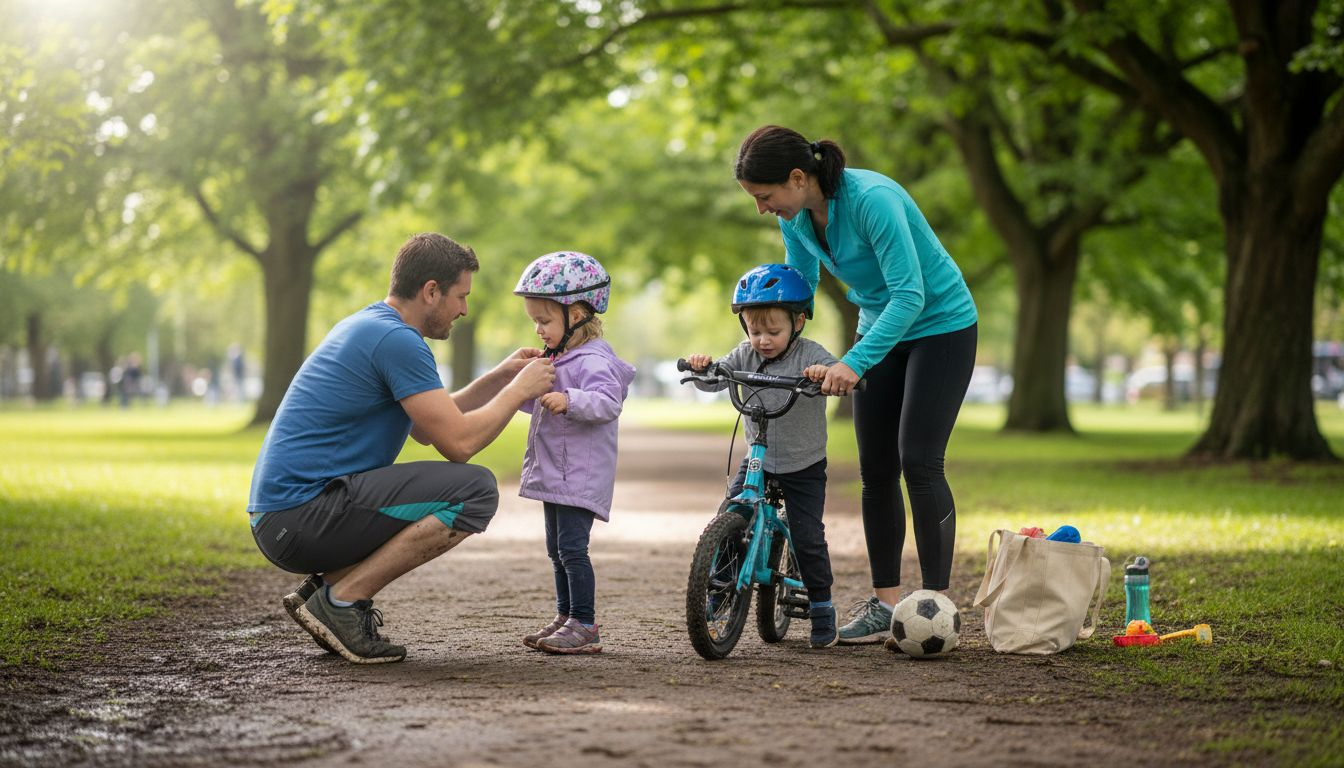
Over one in three Australian adults experience ongoing physical discomfort linked to preventable movement habits. Recognizing patterns early gives you a real chance to sidestep persistent aches and limitations that can disrupt both work and family life. With a clear approach designed to highlight hidden stressors and create smarter movement routines, you will learn how to protect your long-term mobility and well-being as an Australian parent or active individual.
Table of Contents
Quick Summary
Key Point | Explanation |
1. Assess daily movement patterns | Identify stress points in your routine to prevent long-term mobility issues before they arise. |
2. Implement mobility and strength routines | Design a balanced exercise plan to enhance overall physical resilience and strength across muscle groups. |
3. Integrate posture-friendly parenting techniques | Use ergonomic methods for lifting and childcare to minimise strain during daily parenting tasks. |
4. Address pain triggers proactively | Create a personalised recovery plan that includes rest and relaxation to prevent ongoing physical discomfort. |
5. Monitor progress and adjust habits | Regularly track your movement and pain levels to refine health strategies for sustainable wellness. |
Step 1: Assess daily movement patterns for hidden stressors
Understanding how your body moves through daily tasks can reveal surprising stress points that might lead to long-term mobility challenges. By carefully observing your typical movements, you can proactively identify potential areas of strain or weakness before they develop into more significant problems.
Start by documenting your routine activities tracking how you walk, sit, stand, and perform basic tasks. Pay attention to your posture and balance during transitions like getting out of a chair or walking across a room. Mobility assessments can help identify fall risks by highlighting subtle movement compensations your body might be making unconsciously. Consider recording a video of yourself performing common tasks to get an objective view of your movement patterns.
Concentrate on key indicators such as weight distribution, symmetry of movement, and how smoothly you transition between different positions. Notice if you consistently lean to one side, if your steps are uneven, or if certain movements require more effort than they should. These small observations can provide critical insights into potential musculoskeletal imbalances that might need professional attention.
Advanced tip: Perform simple balance challenges like standing on one leg or walking a straight line to assess your current mobility baseline. Incorporating specific balance exercises can help strengthen core muscles and improve overall movement quality.
Cracking tip: Keep a movement journal for one week documenting any discomfort, stiffness, or unusual sensations during your daily activities to create a comprehensive picture of your body’s current movement patterns.
Compare key mobility assessment indicators:
Indicator | What to Observe | Why It Matters |
Weight Distribution | Shift to one side or uneven | Reveals muscular imbalances |
Transition Smoothness | Hesitation or stiffness | Identifies hidden weaknesses |
Step Evenness | Short or irregular steps | Uncovers gait pattern issues |
Posture Consistency | Slouching or misalignment | Affects overall body mechanics |
Step 2: Implement effective mobility and strength routines
Building a comprehensive mobility and strength routine is your pathway to improved physical resilience and long-term body performance. This step will help you design a balanced approach that enhances your overall movement quality and builds functional strength across muscle groups.
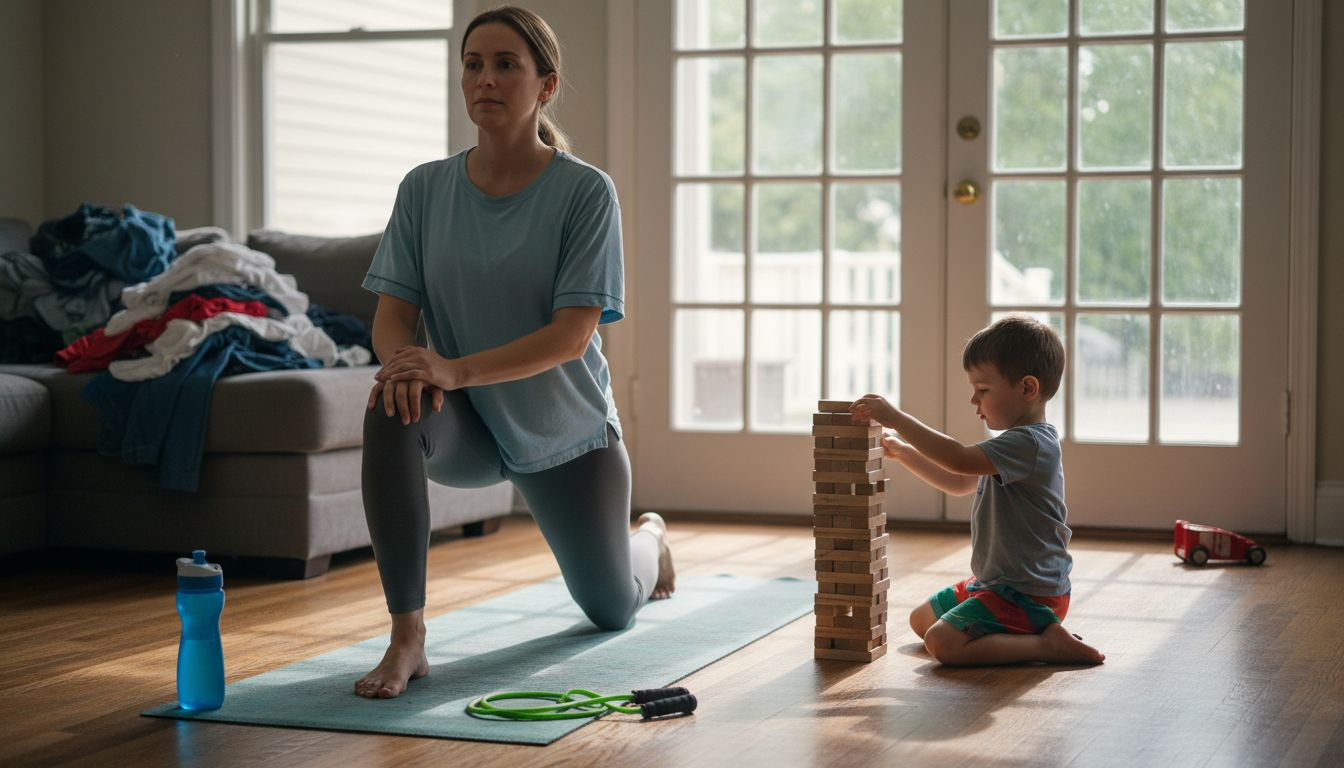
Strength training for longevity requires strategic planning. Aim to incorporate exercises two to three times per week on non consecutive days, focusing on full body movements that challenge multiple muscle groups simultaneously. Start with bodyweight exercises like squats, lunges, push-ups, and planks to establish a solid foundation before progressing to weighted movements.
Diversity is key in your routine. Mobility workouts can include dynamic stretching, resistance band exercises, and Pilates which help improve flexibility and overall physical health. Focus on smooth controlled movements that challenge your range of motion while maintaining proper form. Integrate exercises that work different planes of movement to prevent muscle imbalances and reduce injury risk.
Advanced tip: Progressively increase exercise difficulty by adding weight, changing tempo, or reducing stability to continually challenge your body and prevent plateau.
Cracking tip: Always warm up before strength training and cool down afterwards to support muscle recovery and reduce potential strain.
Step 3: Integrate posture-friendly parenting techniques
Parenting demands constant physical activity, which means protecting your body from unnecessary strain becomes critical. Developing posture-friendly techniques will help you manage daily childcare tasks while minimising potential long-term physical stress.
Mini workouts designed for busy parents can transform how you approach physical challenges during parenting. Incorporate short 5-20 minute movement sessions throughout your day, focusing on exercises that strengthen core muscles and improve overall body alignment. When lifting children, bend your knees and keep your back straight, engaging abdominal muscles to support your spine. Be mindful of your body positioning during repetitive tasks like carrying car seats, changing nappies, or pushing prams.
Consider exploring low-impact movement options that support your body’s natural alignment. Gentle fitness classes in warm water environments offer excellent opportunities to improve flexibility and strength without additional joint stress. Simple posture improvement techniques can be seamlessly integrated into your daily routine, helping you maintain proper body mechanics while managing parenting responsibilities.
Advanced tip: Create ergonomic workstations at home that encourage good posture during activities like feeding, working, or playing with children.
Cracking tip: Set hourly reminders to check and reset your posture, preventing muscle fatigue and potential long-term alignment issues.
Step 4: Address pain triggers with proactive recovery strategies
Understanding and mitigating pain triggers is essential for maintaining long-term physical wellness, especially for active families constantly navigating physical challenges. This approach transforms pain management from reactive treatment to strategic prevention.
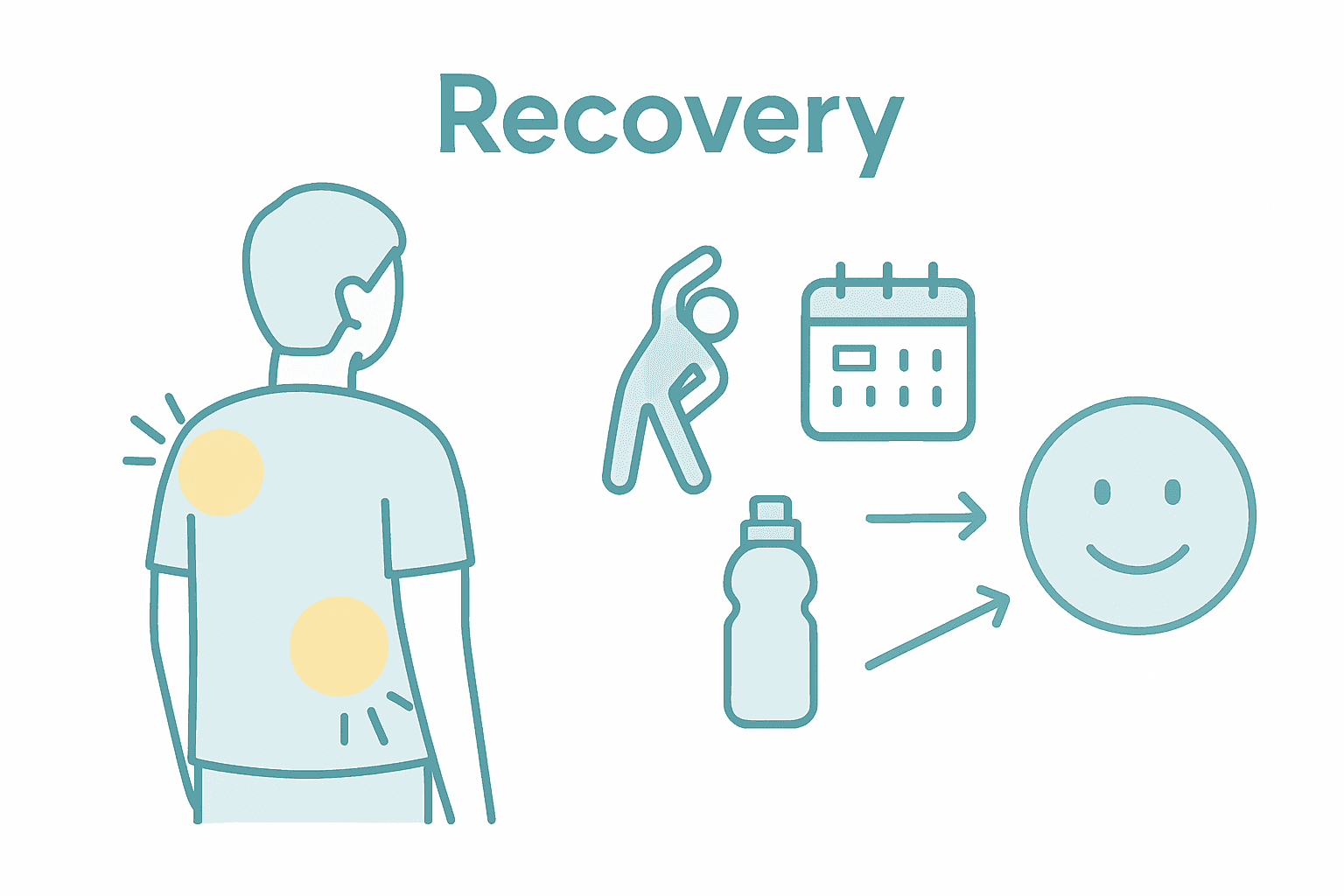
Recovery principles for active individuals emphasise incorporating deliberate rest and relaxation techniques into your weekly routine. Consider integrating muscle-soothing practices like warm Epsom salt baths, gentle stretching, or targeted massage to help your body recover from daily physical stresses. Pay attention to your body’s signals and create a personalised recovery plan that includes sufficient sleep, hydration, and targeted movement.
Stress management strategies play a crucial role in addressing potential pain triggers. Explore relaxation techniques such as meditation, deep breathing exercises, or gentle yoga to reduce physical tension. These practices not only support mental well-being but also help prevent stress-related muscular tension and understanding pain science for active Australians.
Advanced tip: Create a weekly recovery schedule that alternates between active movement and dedicated rest periods to support optimal muscle recovery and prevent overexertion.
Cracking tip: Keep a pain and recovery journal to track your body’s responses and identify specific triggers that may contribute to physical discomfort.
Step 5: Monitor progress and adjust habits for lasting results
Successful long-term health strategies require consistent monitoring and intelligent adaptation. Your journey towards pain-free living is dynamic, demanding regular assessment and thoughtful adjustments to maintain momentum and achieve sustainable wellness.
Prevention guidelines for maintaining physical performance emphasise the importance of tailored exercise programs that evolve with your body’s changing needs. Create a tracking system that allows you to document your physical capabilities, pain levels, and movement quality. Review these records monthly, looking for patterns that indicate progress or potential areas requiring modification. Consider using digital apps or a simple journal to log your observations, tracking metrics like range of motion, recovery time, and overall comfort during daily activities.
Efficient workout strategies for busy individuals recommend structuring your progress monitoring with clear, achievable benchmarks. Break down your health goals into smaller milestones, ensuring each adjustment builds upon your previous achievements. This approach allows for incremental improvements while preventing potential overexertion or frustration.
Advanced tip: Develop a quarterly self assessment routine that comprehensively evaluates your physical progress, pain management, and overall functional movement.
Cracking tip: Schedule regular check-ins with a health professional who can provide objective insights and help you refine your recovery and wellness strategies.
Here’s how different strategies contribute to pain-free living:
Strategy Area | Main Focus | Example Action | Long-Term Benefit |
Daily Movement | Identifying weak points | Movement self-assessment | Early detection of strain |
Mobility & Strength | Building resilience | Strength training routine | Reduced injury risk |
Parenting Posture | Preventing daily strain | Ergonomic lifting technique | Fewer chronic aches |
Recovery Strategies | Active pain management | Restorative stretching | Faster muscle recovery |
Progress Monitoring | Ongoing habit refinement | Tracking improvements | Sustainable physical wellness |
Take Control Of Pain-Free Parenting With Expert Support
Parenting demands constant movement and posture awareness to avoid long-term pain and strain as highlighted in the Ultimate Guide To Pain-Free Parenting For Active Families. If you find yourself struggling with daily soreness or fatigue from lifting, bending or balancing childcare tasks our specialised approach at North Fremantle Chiropractic is built to help you move, feel and perform better with real-world strength and conditioning principles.
Discover how hands-on chiropractic care combined with tailored mobility and strength routines can protect your body while you care for your family. Start building true resilience with proven methods designed for busy parents who want to reclaim energy and comfort. Visit North Fremantle Chiropractic to learn more about our approach. Take the first step today and experience a personalised recovery plan that fits your active lifestyle at North Fremantle Chiropractic and explore expert insights on improving posture and strength for parents in our comprehensive guide Ultimate Guide To Pain-Free Parenting For Active Families.
Make your wellbeing a priority now so you can enjoy every moment with your family pain free and strong.
Frequently Asked Questions
How can I assess my daily movement patterns for pain-free parenting?
Start by documenting your daily activities, including how you sit, stand, and move. Pay attention to your posture and balance during transitions, and consider recording a video to observe any unconscious compensations in your movements.
What are some effective mobility and strength routines for active parents?
Incorporate full-body strength exercises two to three times weekly, focusing on movements like squats and push-ups. Aim for diversity in your routine, including mobility workouts that enhance flexibility and functional strength.
What posture-friendly techniques should I practice while caring for my children?
When lifting or carrying your children, always bend your knees and keep your back straight while engaging your core. Additionally, create ergonomic workstations at home to maintain good posture during daily child-related tasks.
How can I proactively manage pain triggers as an active parent?
Incorporate deliberate rest and relaxation techniques into your routine, such as gentle stretching or warm baths. Keep a pain and recovery journal to track your body’s responses and identify specific activities that may trigger discomfort.
How do I monitor my progress towards pain-free parenting?
Create a tracking system to document your physical capabilities and pain levels over time. Review your records monthly to assess any patterns or improvements, and set achievable benchmarks to guide your ongoing health goals.
Recommended
Comments