
7 Effective Examples of Recovery Exercises for Active Parents
- Dr Nathan Bridger

- 2 days ago
- 11 min read
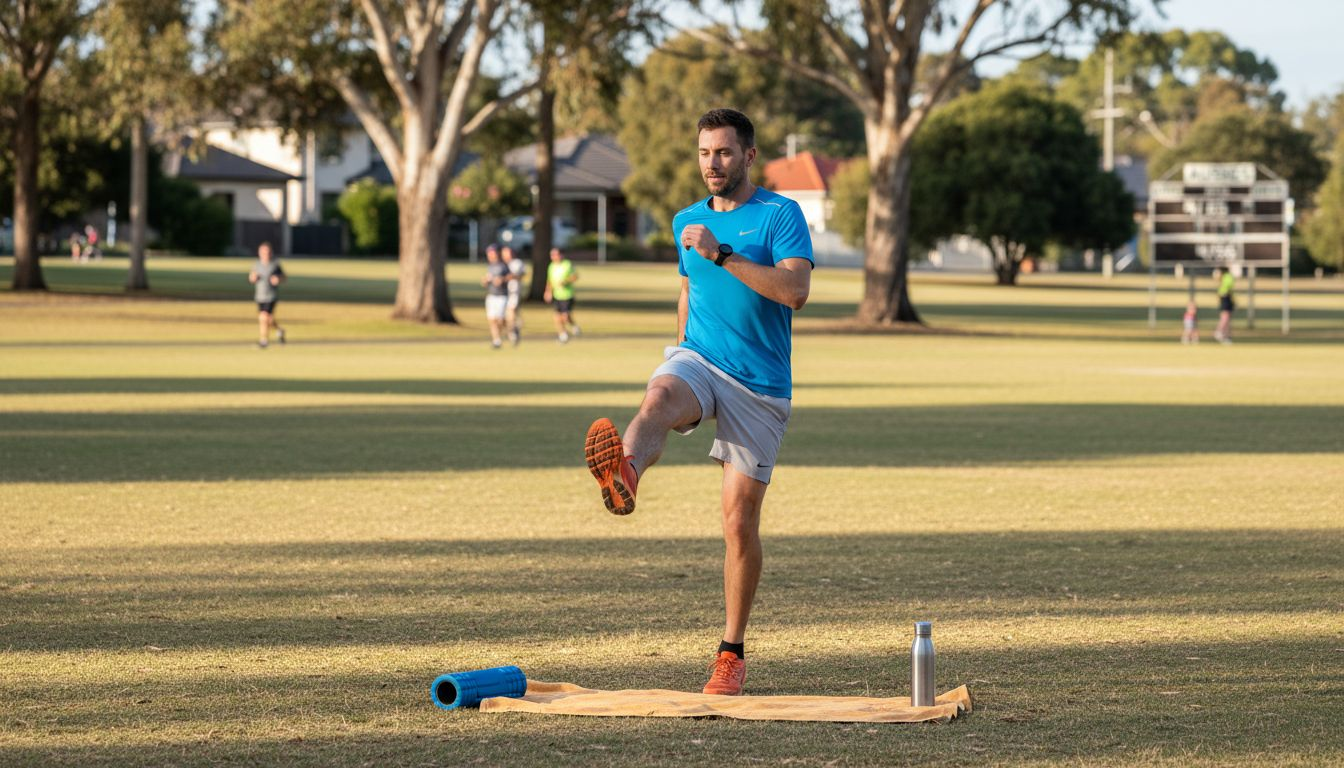
Every australian athlete knows that smart recovery is just as important as hard training. New research shows that investing a few minutes in the right recovery strategies can cut muscle soreness by over 30 percent. Whether you train on the beaches of North Fremantle or tackle local trails, faster recovery means more energy and fewer injuries. Discover evidence-based recovery exercises designed to help you perform better and stay pain free after every workout.
Table of Contents
Quick Summary
Takeaway | Explanation |
1. Dynamic stretching enhances flexibility in 8 minutes | Engaging in dynamic stretches for just eight minutes per week can significantly improve flexibility without lengthy sessions. |
2. Foam rolling reduces muscle soreness and improves recovery | Regular foam rolling can alleviate muscle tension and speed up recovery by enhancing blood flow and reducing inflammation. |
3. Active walking aids muscle recovery | Walking for 20 to 30 minutes post-exercise is an effective way to stimulate recovery and maintain muscle flexibility with minimal strain. |
4. Mobility drills support joint health | Regular mobility exercises can enhance joint range of motion and functional strength, reducing injury risk and improving performance. |
5. Breathing exercises promote relaxation and recovery | Practicing deep breathing techniques can lower stress levels, reduce muscle tension, and facilitate faster physical recovery. |
1. Gentle Dynamic Stretching to Boost Flexibility
Strength and flexibility go hand in hand for active Aussies looking to perform at their best. Dynamic stretching offers a powerful way to prepare your body for movement while improving overall mobility and reducing injury risk.
Recent research from the University of South Australia reveals something exciting dynamic stretching can significantly enhance flexibility in just eight minutes per week. This means you do not need marathon stretching sessions to see real benefits.
Dynamic stretching involves moving your muscles and joints through their full range of motion in a controlled manner. Unlike static stretching where you hold a position, dynamic stretches keep your body moving. Think of walking lunges, arm circles, leg swings these movements actively warm up muscle groups while increasing blood flow and flexibility.
A systematic review confirmed that gentle dynamic stretching not only increases range of motion but also supports joint health and helps prevent potential injuries. The key is performing these movements with controlled and smooth motions, avoiding any jerky or aggressive movements that might strain your muscles.
To get started, aim for 5 to 10 minutes of dynamic stretches before your workout. Begin with gentle movements targeting major muscle groups like quadriceps, hamstrings, shoulders, and hips. Move slowly and listen to your body, gradually increasing the range and speed of your movements as you become more comfortable.
Pro tip: Start each dynamic stretching routine with light movements and focus on proper form. Quality trumps quantity every time when it comes to improving flexibility and preventing potential injuries.
2. Foam Rolling Techniques to Release Muscle Tension
Foam rolling is a game changing recovery technique that helps active Aussies manage muscle tension and support faster healing after intense workouts. Think of it as a self massage tool that targets deep muscle knots and improves overall muscle recovery.
A comprehensive meta-analysis on foam rolling reveals powerful benefits that go beyond simple muscle relaxation. The research shows that self myofascial release can reduce muscle soreness, enhance flexibility, and speed up post exercise recovery for both recreational and elite athletes.
How Foam Rolling Works
Foam rolling applies targeted pressure to muscle groups, helping break down adhesions and tight spots in muscle tissue. By rolling slowly over specific areas, you can stimulate blood flow, reduce inflammation, and help muscles return to their optimal length and function. This technique works particularly well for muscles that feel tight or sore after training.
Effective Foam Rolling Strategies
For best results, focus on major muscle groups like quadriceps, hamstrings, calves, and back muscles. Roll each muscle group for about 30 to 60 seconds, moving slowly and pausing on particularly tender spots. The goal is gentle but firm pressure not intense pain. If a spot feels too sensitive, reduce pressure or skip that area.
Systematic review evidence suggests that post exercise foam rolling00433-9/abstract) can meaningfully decrease muscle soreness and support faster recovery. Incorporating this technique alongside other recovery strategies can help you bounce back quicker after intense training sessions.
Pro tip: Start with a softer foam roller if you are new to the technique, and gradually progress to firmer rollers as your body adapts. Always listen to your body and avoid rolling directly on joints or bones.
3. Active Walking for Low-Impact Muscle Recovery
Active walking represents a simple yet powerful recovery technique for athletes and fitness enthusiasts seeking gentle muscle restoration. This low-impact movement helps your body heal while maintaining overall mobility and reducing muscle stiffness.
Australian research has demonstrated remarkable benefits of walking programs in managing muscle fatigue and preventing activity limiting pain. The WalkBack trial specifically highlighted walking as a universally accessible method for muscle recovery.
How Active Walking Supports Recovery
When you engage in active walking, you stimulate blood circulation without placing excessive stress on your muscles. This gentle movement helps clear metabolic byproducts accumulated during intense workouts, supporting faster muscle repair. The key is maintaining a pace that allows comfortable conversation without causing additional strain.
A comprehensive review of active recovery protocols confirms that low intensity exercise like walking can significantly reduce post exercise muscle soreness and maintain muscle flexibility.
Practical Walking Recovery Strategies
Aim for 20 to 30 minutes of walking at a relaxed pace following intense training sessions. Choose varied terrain like local parks or beachside paths to keep the activity engaging. Focus on maintaining good posture and a steady rhythm that feels comfortable and natural.
For best results, walk at an intensity where you can easily maintain a conversation. This ensures you are not overexerting yourself while still promoting active muscle recovery.
Pro tip: Track your walking sessions using a fitness app or simple step counter to monitor your progress and maintain consistency in your recovery routine.
4. Mobility Drills for Joint Health and Resilience
Mobility drills are the secret weapon for active Aussies looking to maintain flexible, strong, and resilient joints. These targeted exercises help prevent injury, improve movement quality, and support long term athletic performance.
Musculoskeletal health plays a critical role in maintaining an active lifestyle, and mobility drills are a key component of that approach. A comprehensive systematic review of mobility training confirms that integrating dynamic stretching, sport specific exercises, yoga, and Pilates can significantly improve joint range of motion and functional strength.
Understanding Joint Mobility
Joint mobility refers to the ability of a joint to move freely through its full range of motion. Good mobility helps distribute load evenly across joints, reduces the risk of compensatory movement patterns, and supports overall body mechanics. This is crucial for preventing injuries and maintaining peak physical performance.
Practical Mobility Drill Strategies
Start with basic mobility exercises targeting key areas like shoulders, hips, spine, and ankles. Simple drills include:
Shoulder Circles: Slowly rotate arms forward and backward Hip Openers: Perform gentle lunges with rotational movements Spine Mobility: Practice cat cow stretches and gentle twists Ankle Mobility: Use circular ankle rotations and heel toe rocks
Aim to perform these drills for 10 to 15 minutes daily, focusing on smooth controlled movements. The goal is consistent gentle motion that gradually increases your body’s range and quality of movement.
Pro tip: Incorporate mobility work as part of your warm up routine, performing each movement slowly and with mindful control to maximise joint health and prevent potential injuries.
5. Simple Breathing Exercises to Aid Relaxation
Breathing exercises represent a powerful yet simple technique for managing stress, supporting muscle recovery, and promoting overall mental wellbeing. Active Aussies can harness these techniques to reset their nervous system and enhance physical resilience.
Evidence from Australian government research confirms that deep breathing can significantly reduce stress markers and improve emotional regulation. Beyond Blue’s comprehensive guide highlights how specific breathing techniques activate the parasympathetic nervous system, supporting faster recovery.
Understanding Breathing Mechanics
Breathing exercises work by shifting your body from a sympathetic stress state to a relaxed parasympathetic state. This transition helps lower cortisol levels, reduce muscle tension, and promote faster physical and mental recovery.
Three Simple Breathing Techniques
Diaphragmatic Breathing • Place one hand on your chest, another on your belly • Breathe deeply through your nose, expanding your belly • Exhale slowly through pursed lips • Repeat for 5 to 10 breaths
4 7 8 Relaxation Method • Inhale quietly through your nose for 4 seconds • Hold breath for 7 seconds • Exhale completely through your mouth for 8 seconds • Complete 4 cycles
Box Breathing Technique • Inhale for 4 seconds • Hold for 4 seconds • Exhale for 4 seconds • Hold for 4 seconds • Repeat 4 to 5 times
Aim to practice these techniques for 5 to 10 minutes daily, preferably in a quiet space where you can focus on your breath without interruption.
Pro tip: Integrate breathing exercises into your morning routine or post workout recovery to maximise their stress reduction and relaxation benefits.
6. Cool-Down Yoga Flows to Improve Recovery
Cool-down yoga flows represent a strategic approach for active Aussies to transition from intense physical activity to a state of relaxation and recovery. These targeted movements help reset your body and mind after challenging workouts.
Research from Queensland University of Technology reveals that post exercise yoga flows are highly effective for cardiovascular recovery, helping athletes gradually reduce heart rate and regulate their nervous system. A practical guide to cooling down highlights the importance of restorative postures and breathwork in muscle relaxation.
Understanding Recovery Yoga
Recovery yoga focuses on gentle movements that promote blood circulation, release muscle tension, and activate the parasympathetic nervous system. Unlike intense workout sessions, these flows are slow, mindful, and designed to facilitate healing.
Five Essential Cool-Down Yoga Poses
Child’s Pose • Stretches lower back and hips • Promotes deep breathing and relaxation • Hold for 3 to 5 minutes
Reclined Spinal Twist • Releases tension in spine and lower back • Helps reset muscle groups • Hold each side for 30 to 60 seconds
Legs Up the Wall • Reduces leg swelling • Supports venous return • Excellent for runners and cyclists
Supine Butterfly • Opens hip flexors • Releases lower body tension • Use support under knees if needed
Corpse Pose • Complete relaxation • Allows nervous system to reset • Practice for 5 to 10 minutes
Perform these poses sequentially, moving slowly and breathing deeply. Focus on gentle movement and listening to your body.
Pro tip: Practice cool-down yoga within 30 minutes after your workout to maximise recovery benefits and prevent muscle stiffness.
7. Hydrotherapy Basics for Post-Exercise Relief
Hydrotherapy represents a powerful yet simple recovery strategy for active Aussies seeking to reduce muscle soreness and accelerate post exercise healing. By strategically using water temperatures, you can support your body’s natural recovery processes.
Controlled research trials demonstrate the effectiveness of hydrotherapy in reducing cardiovascular strain and perceived fatigue after intense physical activity. A comprehensive 2024 systematic review further confirms that water immersion techniques can significantly enhance recovery of muscle strength and performance.
Understanding Hydrotherapy Mechanisms
Hydrotherapy works through temperature induced physiological responses. Cold water causes blood vessels to constrict, reducing inflammation, while warm water promotes blood circulation and muscle relaxation. The contrast between temperatures stimulates your body’s natural healing mechanisms.
Three Effective Hydrotherapy Techniques
Cold Water Immersion • Duration: 10 to 15 minutes • Temperature: 10 to 15 degrees Celsius • Best for reducing acute inflammation
Contrast Water Therapy • Alternate between hot and cold water • Hot water: 38 to 40 degrees Celsius • Cold water: 10 to 15 degrees Celsius • Cycle 3 to 4 times • Total duration: 15 to 20 minutes
Warm Water Recovery Bath • Temperature: 36 to 38 degrees Celsius • Duration: 15 to 20 minutes • Add Epsom salts for additional muscle relaxation
Select the technique that best matches your recovery needs and personal comfort level. Always listen to your body and avoid extreme temperatures.
Pro tip: Start with shorter immersion times and gradually increase duration as your body adapts to hydrotherapy techniques.
Below is a comprehensive table summarising the techniques and benefits discussed in the article regarding enhancing flexibility, recovery, and overall physical wellbeing among athletic individuals.
Technique | Description | Benefits |
Dynamic Stretching | Movement-based stretching involving controlled motions through the full range of muscle and joint motion | Improves flexibility and mobility, reduces injury risk |
Foam Rolling | Application of pressure over muscles using a foam roller to alleviate tension and improve recovery | Reduces muscle soreness, enhances flexibility, accelerates recovery |
Active Walking | Low-impact exercise focusing on gentle movement post intense workouts | Supports muscle restoration, improves circulation, reduces stiffness |
Mobility Drills | Exercises targeting joint range of motion and overall movement quality | Prevents injuries, maintains flexibility, enhances joint resilience |
Breathing Exercises | Techniques to foster relaxation and regulate the parasympathetic nervous system | Reduces stress, promotes mental and physical recovery |
Cool-Down Yoga Flows | Sequence of gentle postures designed for recovery after physical activity | Relieves muscle tension, supports cardiovascular recovery, promotes relaxation |
Hydrotherapy | Use of water immersion techniques to stimulate physiological recovery responses | Alleviates inflammation, enhances muscle relaxation, boosts circulation |
Take Charge of Your Recovery with Expert Support at North Fremantle Chiropractic
The journey to effective recovery involves more than just exercises. This article highlights key techniques like dynamic stretching, foam rolling, and mobility drills—all essential for active Aussies wanting to improve flexibility, reduce muscle tension, and enhance joint health. Yet, knowing which recovery strategies are best for your unique body can be a real challenge. If you want to move beyond pain and prevent future injuries, expert guidance that blends elite chiropractic care with strength and conditioning is what truly makes the difference.
At North Fremantle Chiropractic, we specialise in helping legends of all ages optimise their recovery and performance through hands-on, movement-based care. Whether you are juggling the demands of life and training or chasing peak athletic form, our approach builds real resilience—not just fixes symptoms. Ready to experience recovery that goes beyond quick fixes? Discover how our personalised programs can support your journey to feeling stronger and performing better by visiting North Fremantle Chiropractic. Start today and reclaim the joy of moving freely with confidence.
Frequently Asked Questions
How can dynamic stretching improve my flexibility as an active Aussie?
Dynamic stretching can enhance flexibility by moving your muscles and joints through their full range of motion. Aim to include 5 to 10 minutes of dynamic stretches in your warm-up before workouts to see improvements over time.
What foam rolling techniques should I use to release muscle tension?
Focus on major muscle groups such as quadriceps, hamstrings, and back muscles. Roll each area for about 30 to 60 seconds, applying gentle but firm pressure to help break down tight spots and enhance recovery.
How does active walking aid in muscle recovery after workouts?
Active walking stimulates blood circulation without putting excessive stress on your muscles, helping to clear metabolic byproducts. Aim for 20 to 30 minutes of relaxed walking after intense training to assist in muscle recovery.
What mobility drills should I incorporate for joint health?
Incorporate basic mobility exercises targeting shoulders, hips, spine, and ankles. Spend 10 to 15 minutes daily on these drills to improve your joint range of motion and reduce injury risk.
How can breathing exercises support my relaxation and recovery?
Breathing exercises shift your body from a stressed state to a relaxed state, helping lower stress levels and muscle tension. Practice techniques like diaphragmatic breathing for 5 to 10 minutes daily to enhance recovery and wellbeing.
What cool-down yoga flows are best for post-workout recovery?
Practice gentle yoga poses such as Child’s Pose and Reclined Spinal Twist to promote muscle relaxation and recovery. Spend about 15 to 20 minutes on these flows within 30 minutes after your workout for optimal benefits.
Recommended
Comments