
Conditioning in Injury Rehab – Building Lasting Resilience
- Dr Nathan Bridger

- Dec 16, 2025
- 6 min read
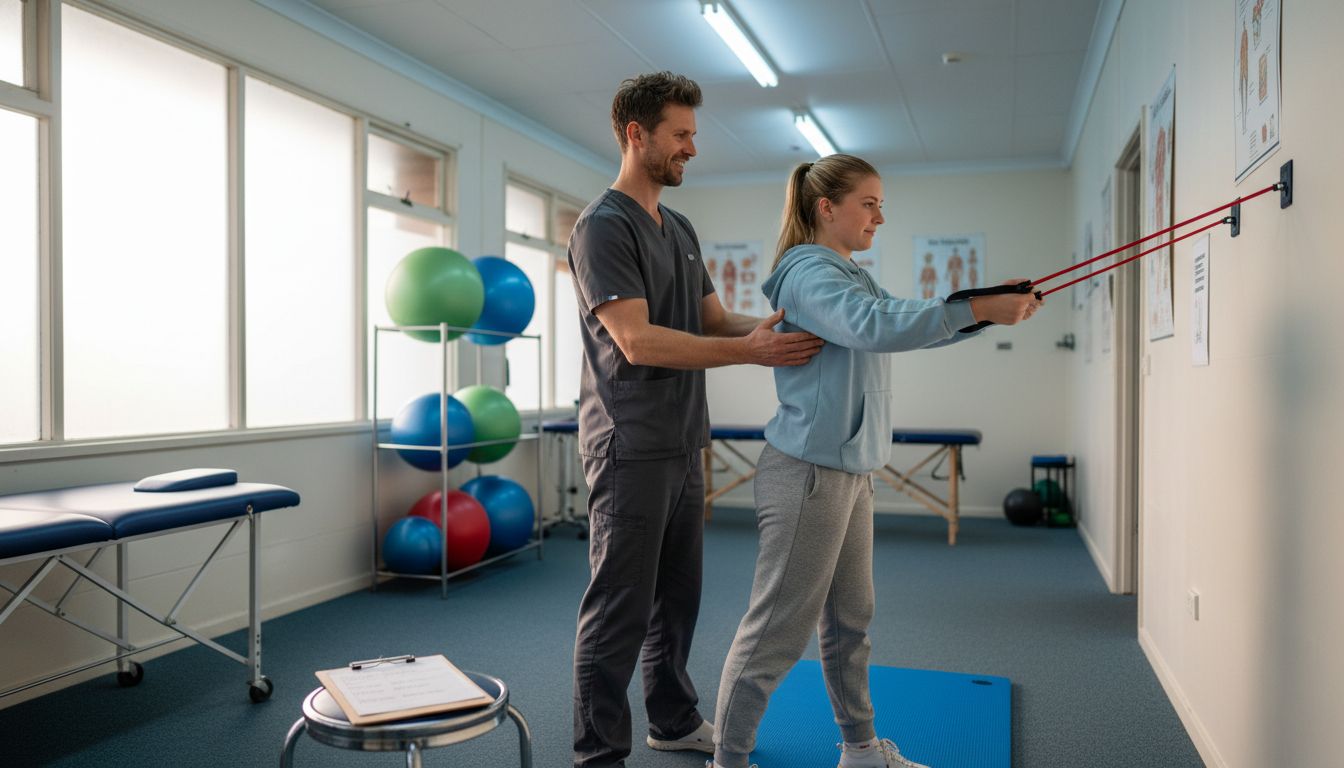
Over 80 percent of australian athletes rely on structured conditioning to recover from injuries and get back to peak performance. Whether you are a sports enthusiast or simply trying to regain strength after a setback, understanding how conditioning shapes recovery can make all the difference. This guide breaks down the science and methods behind effective rehabilitation so you can rebuild safely and confidently.
Table of Contents
Key Takeaways
Point | Details |
Comprehensive Conditioning | Conditioning in injury rehabilitation is a multi-faceted approach aimed at rebuilding strength, mobility, and preventing future injuries. |
Integrated Strategies | Utilising various conditioning types—such as strength, neurological, and cardiovascular conditioning—ensures a holistic rehabilitation process. |
Goal-Oriented Progression | Effective recovery requires personalised goals and a structured plan, incorporating gradual increases in intensity and complexity. |
Awareness of Pitfalls | Avoiding common mistakes like rushing recovery and ignoring pain signals is essential to ensure a successful rehabilitation journey. |
Defining Conditioning in Injury Rehabilitation
In the world of sports and physical wellness, conditioning represents a strategic approach to rebuilding strength, mobility, and resilience after an injury. Strength and conditioning practices are deliberately designed to target key human performance attributes such as speed, agility, endurance, and stability.
Conditioning in injury rehabilitation goes beyond simple recovery. It’s a comprehensive process that aims to restore an individual’s physical capabilities while preventing future setbacks. Rehabilitation is fundamentally about improving health and wellbeing, helping individuals regain lost function and adapt to new physical challenges. This approach requires a nuanced understanding of biomechanics, muscle interaction, and progressive loading strategies.
The core elements of effective injury rehabilitation conditioning include:
Targeted strength training
Flexibility and mobility work
Neuromuscular re-education
Progressive functional movement patterns
Pain management techniques
Pro Tip - Movement Progression: Start with low-intensity, controlled movements that match your current physical capabilities, and gradually increase complexity and load as your body adapts and heals. Always work with a qualified professional who can personalise your rehabilitation strategy.
Types of Conditioning for Injury Recovery
Injury rehabilitation involves multiple specialised conditioning approaches tailored to individual recovery needs. Work conditioning programs represent intensive, goal-oriented strategies designed to systematically restore physical capabilities through targeted neuromuscular activities.
These conditioning types encompass distinct methodologies aimed at progressive healing and functional restoration. The primary approaches include:
Strength Conditioning: Resistance training focuses on rebuilding muscle strength through controlled weight and movement exercises
Neurological Conditioning: Retraining neural pathways and motor control mechanisms
Cardiovascular Conditioning: Restoring endurance and cardiovascular function
Proprioceptive Conditioning: Improving balance, spatial awareness, and joint stability
Functional Movement Conditioning: Recreating sport or work-specific movement patterns
Each conditioning type addresses specific physiological aspects, ensuring comprehensive rehabilitation that goes beyond symptom management. The goal is not just recovery, but achieving pre-injury performance levels with enhanced resilience and reduced future injury risk.
Here is a comparison of conditioning types and their role in injury rehabilitation:
Conditioning Type | Primary Focus | Key Outcome |
Strength Conditioning | Restores muscle power | Supports joint protection |
Neurological Conditioning | Improves motor control | Enhances movement accuracy |
Cardiovascular Conditioning | Boosts endurance | Increases exercise tolerance |
Proprioceptive Conditioning | Sharpens spatial awareness | Reduces instability risk |
Functional Movement Conditioning | Replicates task-specific actions | Prepares for real-life demands |

Pro Tip - Holistic Approach: Always integrate multiple conditioning types into your rehabilitation program, working closely with healthcare professionals who can design a personalised, progressive recovery strategy matching your specific injury and performance goals.
Benefits of Conditioning in the Rehab Process
Conditioning plays a transformative role in injury rehabilitation, offering far more than simple recovery. Strength and conditioning programs reinforce fundamental muscular support systems, helping athletes and active individuals rebuild their physical capabilities with strategic, targeted approaches.
The key benefits of comprehensive conditioning during rehabilitation extend across multiple physiological domains. These include:
Improved muscular stability and joint integrity
Correction of movement pattern imbalances
Enhanced neuromuscular control and proprioception
Reduced risk of future injury recurrence
Accelerated return to pre-injury performance levels
Specialised techniques such as compression garment interventions can further support the rehabilitation process by reducing muscle soreness, decreasing swelling, and improving blood circulation. These strategies work synergistically to create a holistic recovery environment that supports both physical healing and performance restoration.
Conditioning isn’t just about healing an injury. It’s about rebuilding a stronger, more resilient body that can withstand future physical challenges with greater confidence and capability.
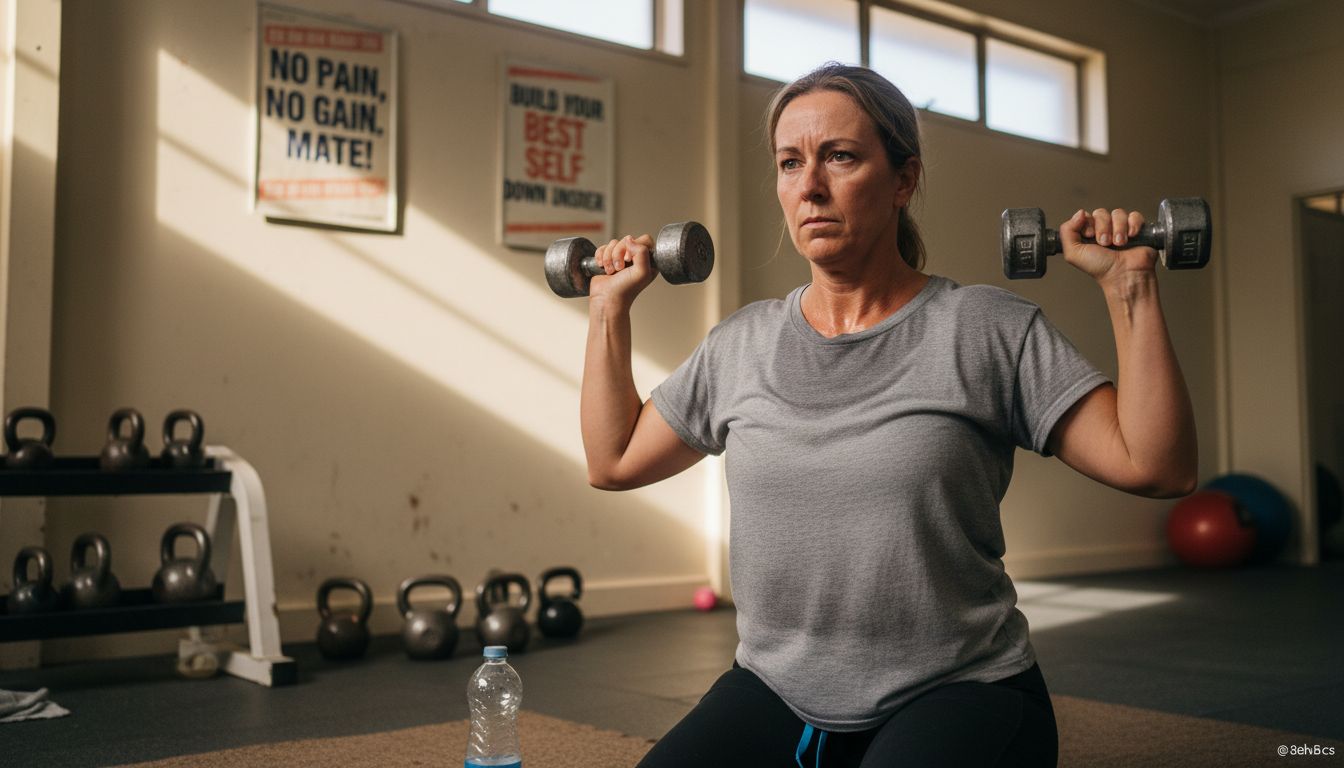
Pro Tip - Progressive Loading: Begin your rehabilitation with low-intensity movements, gradually increasing complexity and resistance as your body demonstrates improved stability and reduced pain. Always consult with a healthcare professional to design a personalised progression strategy.
Key Steps for Safe and Effective Progression
Rehabilitation progression requires a carefully structured approach that balances recovery with gradual performance improvement. Proper technique forms the foundation of safe resistance training, ensuring that each step of the recovery journey minimises potential reinjury risks.
The key steps for safe and effective progression include:
Comprehensive Initial Assessment
Detailed medical evaluation
Understanding injury specifics
Identifying individual biomechanical limitations
Goal Setting
Collaborative goal development with healthcare providers
Establishing realistic, measurable milestones
Creating a personalised rehabilitation timeline
Staged Movement Progression
Beginning with low-intensity controlled movements
Systematically increasing complexity and resistance
Monitoring pain and movement quality
Successful rehabilitation demands patience, precision, and a holistic understanding of individual physiological responses. Each progression must be intentional, with careful attention to body mechanics, pain responses, and overall functional improvement.
Pro Tip - Movement Monitoring: Track your rehabilitation progress through consistent documentation, recording pain levels, movement quality, and functional achievements to help healthcare professionals fine-tune your recovery strategy.
Common Pitfalls and What to Avoid
Injury rehabilitation is a delicate process where strategic progress can easily be derailed by common mistakes. Preventing athletic injuries requires understanding key risk factors and avoiding rapid training changes, which can compromise recovery and potentially cause further damage.
The most significant pitfalls in rehabilitation include:
Rushing Recovery: Pushing too hard, too quickly
Ignoring Pain Signals: Continuing exercises that cause significant discomfort
Skipping Proper Warm-up: Neglecting preparatory movements
Inconsistent Professional Guidance: Attempting self-management without expert oversight
Comparing Progress: Measuring against others instead of individual healing capacity
Staying active safely demands careful movement selection and professional guidance, with a focus on gentle, adaptive strategies. Understanding that each rehabilitation journey is unique helps prevent the temptation to accelerate recovery unnaturally.
Mental resilience plays an equally important role in avoiding rehabilitation pitfalls. Accepting the recovery timeline, maintaining a positive mindset, and communicating openly with healthcare professionals can significantly improve outcomes and reduce the likelihood of setbacks.
This table summarises pitfalls in rehabilitation and strategies to prevent them:
Pitfall | Why It Hampers Recovery | Prevention Strategy |
Rushing Recovery | Leads to reinjury | Prioritise gradual progression |
Ignoring Pain Signals | Masks underlying issues | Stop and reassess with a pro |
Skipping Warm-up | Increases injury risk | Always include a warm-up phase |
Inconsistent Guidance | Reduces effectiveness | Maintain regular pro follow-up |
Comparing Progress | Causes unnecessary pressure | Focus on individual milestones |
Pro Tip - Recovery Mindset: Treat your rehabilitation like a structured training program with patience, consistency, and professional support. Progress is not linear, and small, sustainable improvements matter more than dramatic, risky leaps.
Build Lasting Resilience with Expert Conditioning Support
Recovering from injury demands more than just healing. It requires a personalised approach that focuses on progressive movement, muscular stability, and functional strength as outlined in the article. If you are struggling with challenges like rushed recovery, pain management, or balancing your rehabilitation goals, North Fremantle Chiropractic offers tailored care that integrates hands-on chiropractic expertise with real-world strength and conditioning principles.
Take control of your rehab journey today by partnering with a team that understands the importance of safe progression and comprehensive conditioning. Whether you are a weekend warrior, parent, or athlete aiming to regain peak performance, visit North Fremantle Chiropractic to start building your resilience. Discover how our elite sports-focused chiropractic care combined with movement-based rehabilitation can transform your recovery and help you move, feel, and perform better.
Frequently Asked Questions
What is conditioning in injury rehabilitation?
Conditioning in injury rehabilitation is a strategic approach aimed at rebuilding strength, mobility, and resilience after an injury. It involves targeted physical practices to restore capabilities and prevent future injuries.
What are the main types of conditioning used in injury recovery?
The main types of conditioning used in injury recovery include strength conditioning, neurological conditioning, cardiovascular conditioning, proprioceptive conditioning, and functional movement conditioning. Each type targets specific aspects of physical recovery and performance.
How can conditioning help prevent future injuries?
Conditioning enhances muscular stability, improves movement patterns, and builds resilience, which collectively reduce the risk of re-injury. Through comprehensive rehabilitation strategies, individuals can regain pre-injury performance levels while fortifying their bodies against future challenges.
What should I avoid during rehabilitation?
Common pitfalls to avoid during rehabilitation include rushing recovery, ignoring pain signals, skipping warm-up routines, inconsistent professional guidance, and comparing progress with others. It’s important to focus on personal milestones and maintain a steady, professional-supported recovery approach.
Recommended
Comments